
For centuries, science believed death was simple: once the brain stops and the heart stops beating, the body begins to decay almost immediately. Cells rupture, bacteria spread, and decomposition begins within minutes.
But deep in Tibetan monasteries, monks have documented a phenomenon that seems to defy this biological certainty — Thukdam, a mysterious post-death meditative state where the body refuses to decay. What researchers discovered while studying it has opened one of the most fascinating debates about human consciousness and the nature of death.
🧘 What Exactly Is Thukdam?
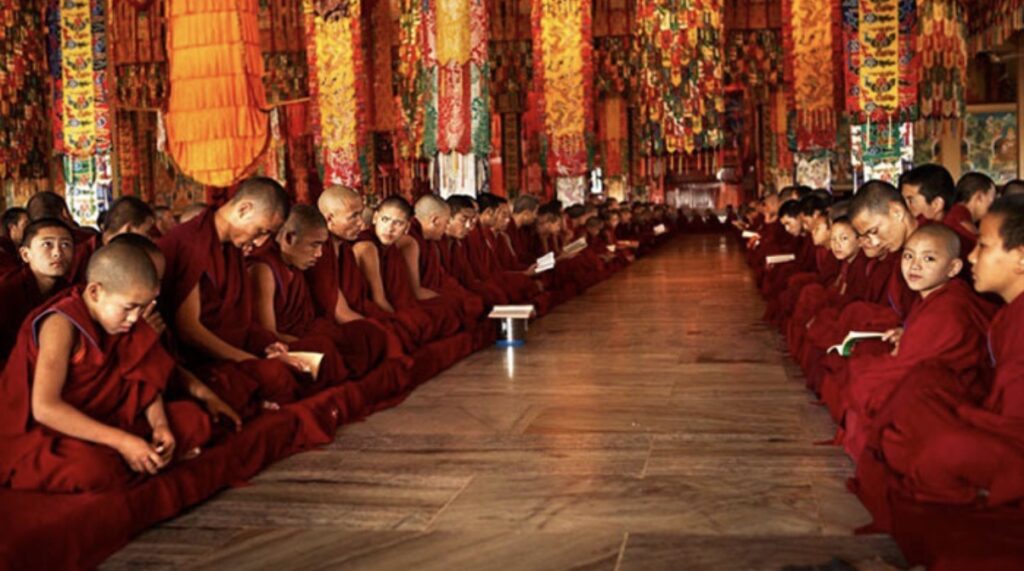
Thukdam is a rare state described in Tibetan Buddhist tradition where a highly trained meditator appears to remain in deep meditation even after clinical death.
Monks who enter this state display extraordinary characteristics:
🔹 The body remains upright in a meditation posture
🔹 Skin stays soft and flexible
🔹 No odor or decomposition appears for days or weeks
🔹 The room temperature remains normal, with no preservation methods
From a biological perspective, this should be impossible. Normally, decomposition begins rapidly because bacteria and enzymes start breaking down tissues almost immediately. Yet in documented Thukdam cases, the decay process seems mysteriously delayed.
For Tibetan monks, however, this is not surprising. Their spiritual tradition teaches that consciousness leaves the body gradually, not instantly, and advanced meditators can remain in a subtle awareness state known as “clear light consciousness.”
🧠 When Neuroscience Started Paying Attention
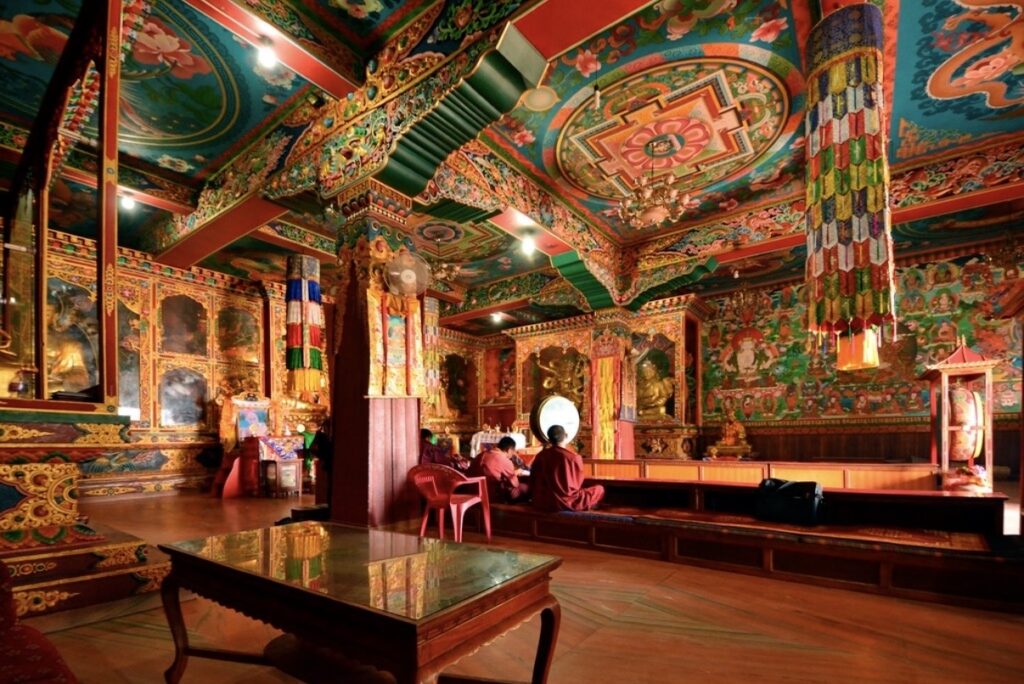
For centuries, Western science dismissed these accounts as folklore. That changed when researchers began studying the phenomenon scientifically.
Scientists connected with institutions such as:
🔹 University of California San Diego
started documenting Thukdam cases with modern tools including temperature monitoring, EEG brain recordings, and continuous observation.
Their observations revealed something startling.
In several meditators, gamma brain waves — the highest-frequency brain activity linked to intense awareness — continued during the dying process. In some cases, they even spiked instead of collapsing, which contradicts the typical neurological pattern seen during death.
This unusual neural activity had already been observed in legendary meditators like Matthieu Ricard, a former molecular biologist turned Tibetan monk whose meditation produced some of the strongest gamma oscillations ever recorded in human brains.
🔬 The Scientific Puzzle
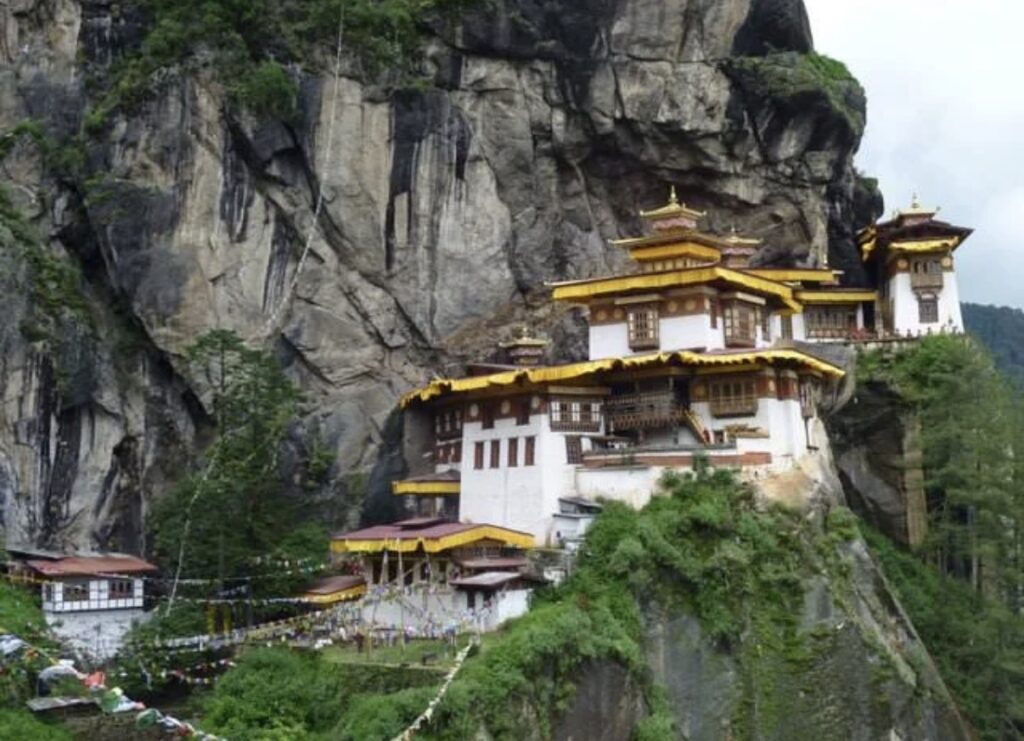
Scientists proposed several theories to explain Thukdam.
⚗️ Metabolic Slowdown Hypothesis
Perhaps advanced meditation dramatically slows cellular processes, delaying decomposition.
However, this theory faces a major problem:
hibernating animals remain biologically alive — with heartbeat, respiration, and measurable metabolism.
Thukdam monks show none of these signs, yet their bodies still resist decay.
This forces a profound scientific question:
👉 Either our understanding of biological death is incomplete
👉 Or our understanding of consciousness is incomplete
Both cannot remain true simultaneously.
🌌 The Hardest Problem in Science
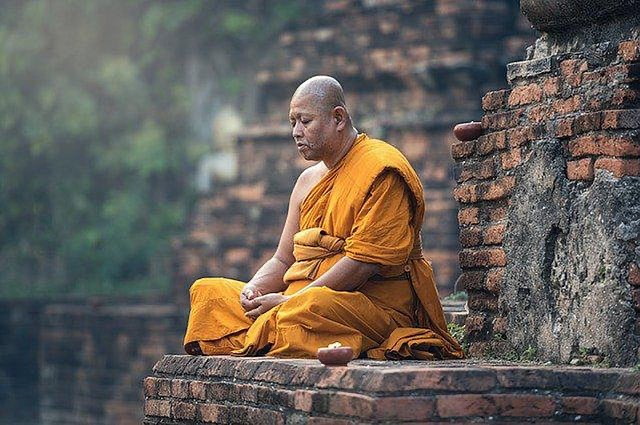
Consciousness is often called the hardest problem in modern science.
Researchers still cannot explain why brain activity produces subjective experience — why it feels like something to be alive. Tibetan contemplative traditions suggest that consciousness may not originate in the brain at all, but rather the brain acts as a receiver or interface.
If Thukdam is genuine, it hints at a radical possibility:
that awareness might persist beyond the point where biology appears to end.
For a thousand years, Tibetan monasteries quietly explored the boundaries of consciousness through meditation. Today, as neuroscience begins investigating the same questions, ancient contemplative traditions and modern science may finally meet.
Thukdam remains unexplained — but it is forcing researchers to reconsider one of humanity’s deepest assumptions: what it truly means to die.

