
🌌 A Cosmic Neighbor We Never Expected
For decades, black holes were imagined as distant cosmic monsters lurking at the far edges of our galaxy. But astronomers recently revealed a stunning truth: the closest known black hole to Earth is only 1,560 light-years away, in the constellation Ophiuchus. This makes it a near neighbor, cosmically speaking, hiding in plain sight within our Milky Way.
Discovered through precise observations of stellar movements, this black hole is part of a binary system. One visible star orbits an unseen companion—giving away the presence of a black hole. What makes it fascinating is not just its distance, but how it reshapes our understanding of how many black holes may be scattered much closer to us than we ever thought.
🔭 How Scientists Found It
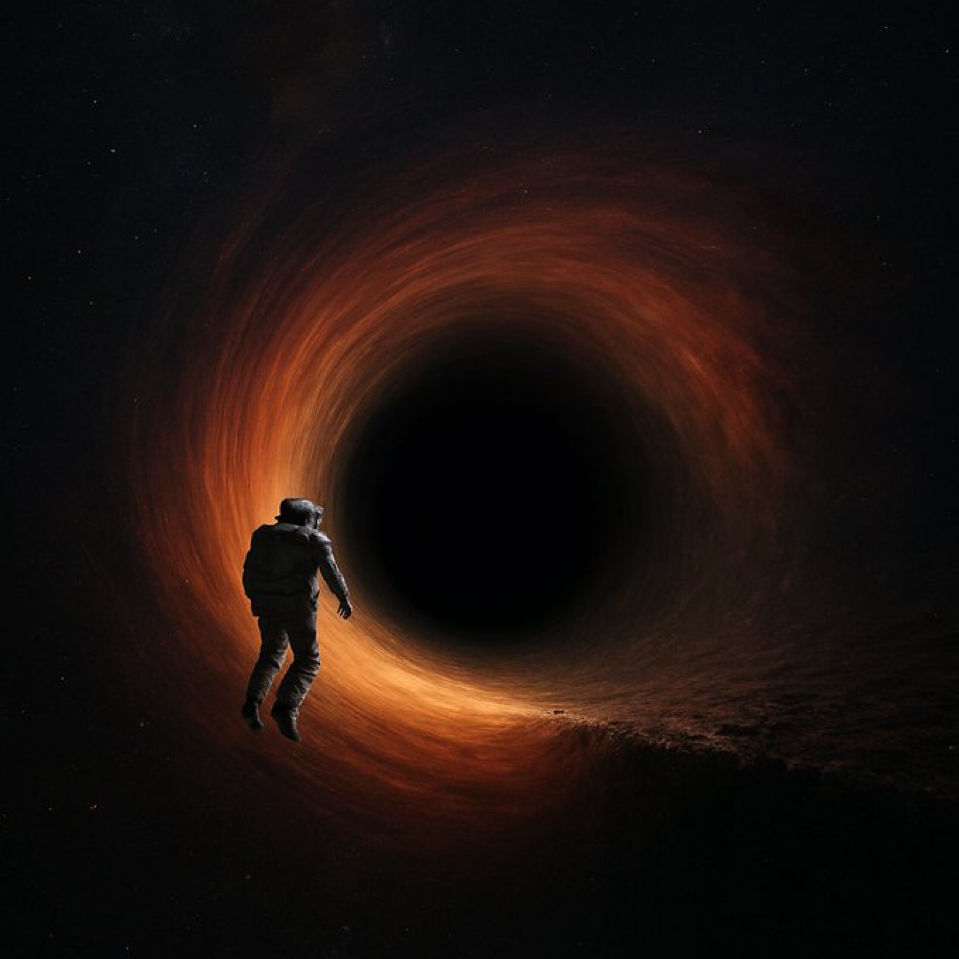
Unlike glowing stars or galaxies, black holes don’t emit light, making them nearly impossible to see directly. Instead, astronomers track how stars behave around them. Using data from the European Space Agency’s Gaia mission, researchers noticed a star wobbling as if tethered to something massive but invisible. That “something” turned out to be a dormant black hole—the closest one ever found.
This black hole doesn’t actively consume material, so it isn’t surrounded by the glowing accretion disks we often see in sci-fi images. Its silence makes it even more mysterious—a hidden giant quietly warping space-time nearby.
🌍 Should We Be Worried?
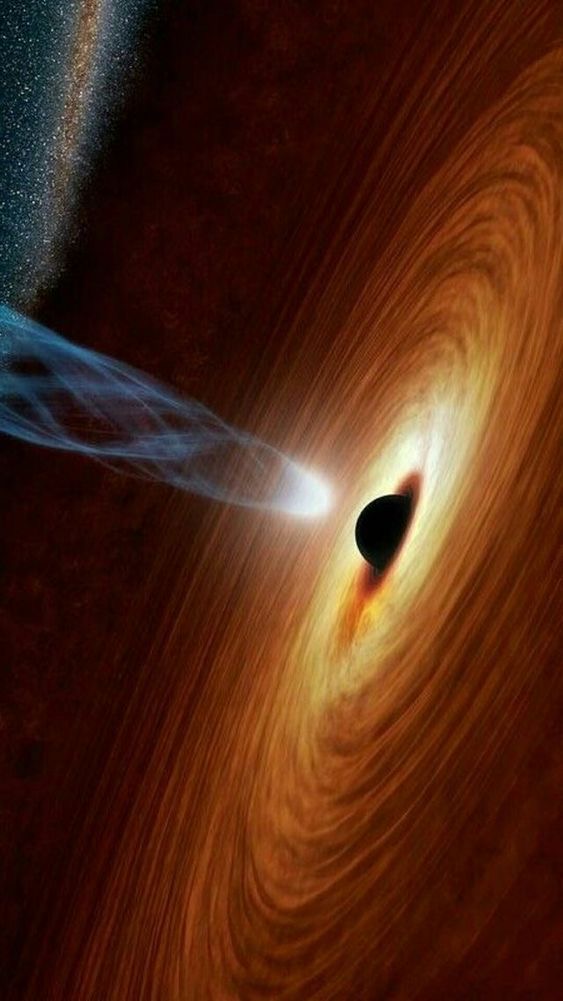
At first glance, “black hole near Earth” might sound terrifying. But in reality, 1,560 light-years is a safe distance—far enough that it poses no danger to our solar system. Still, its presence is a reminder that black holes are not just exotic objects in faraway galaxies; they are part of our galactic neighborhood.
Scientists now believe there may be millions of dormant black holes in the Milky Way alone. This discovery suggests we’ve only just begun to uncover the nearest ones.
🚀 Why This Discovery Matters
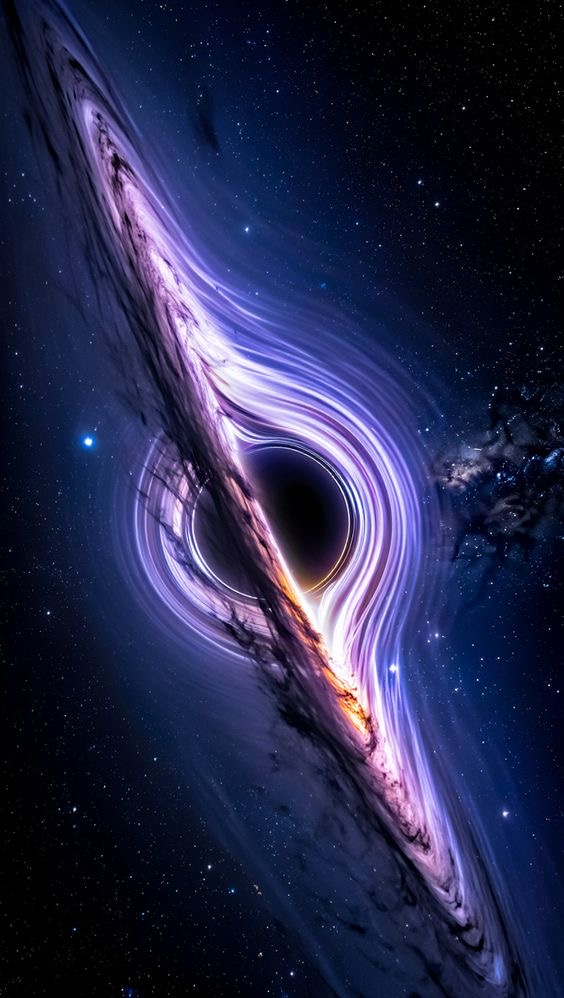
This is more than just an astronomical curiosity. It tells us:
- 🌟 Galactic Mapping – The Milky Way is more crowded with black holes than we imagined.
- 🌀 Evolution of Stars – Studying such systems reveals how massive stars end their lives.
- 🌌 Cosmic Connections – It helps piece together the story of how our galaxy formed and evolved.
The discovery also energizes the hunt for other nearby black holes, potentially even closer than this one, waiting to be revealed with the next wave of astronomical surveys.
✨ The Mystery Next Door
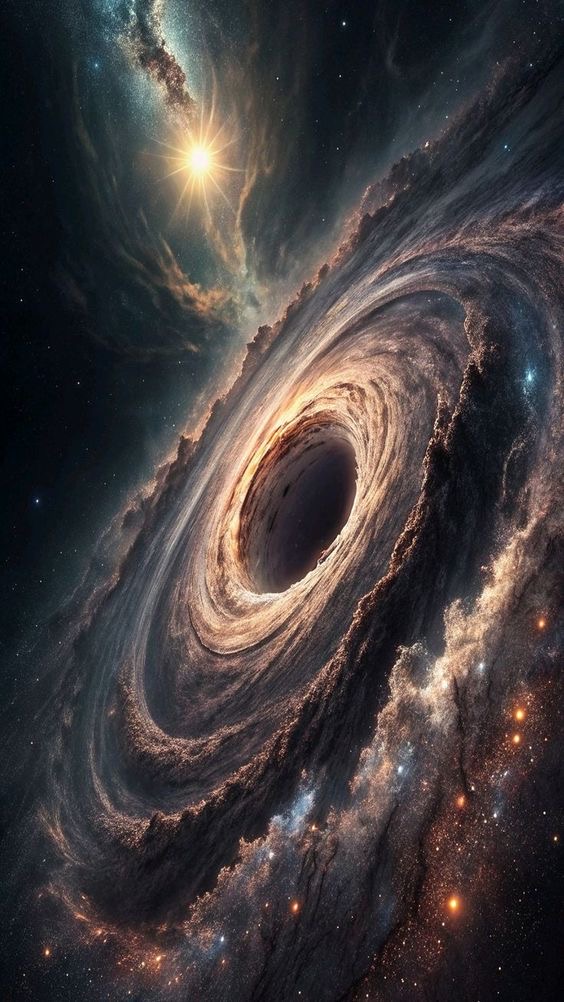
The fact that something so powerful and enigmatic exists relatively “next door” to us is both humbling and thrilling. The closest black hole is not a threat—it’s a cosmic gift, offering astronomers a natural laboratory to study the most extreme physics in the universe.
The night sky, it seems, is far more alive—and far more mysterious—than we ever dared to imagine.

