
The name of bhagwan Parashurama, the sixth avatar of Vishnu, is etched in history as the warrior sage who annihilated arrogance and restored dharma. Yet, beyond the battlefield tales lies a chapter hidden deep in the Himalayas—a journey not of conquest, but of repentance and redemption.
⚔️ The Shadow of Guilt
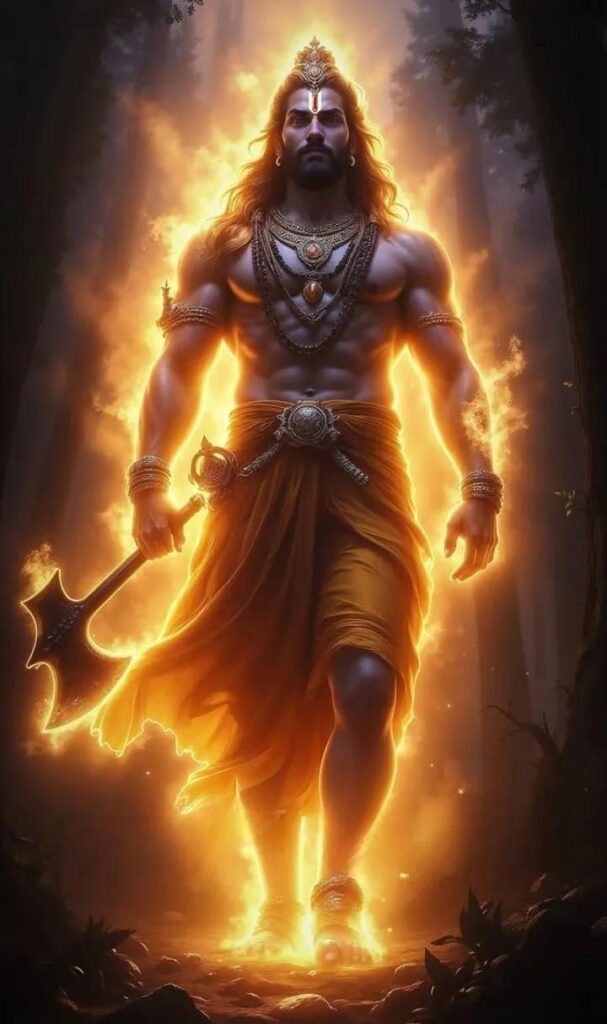
The episode of bhagwan Parashurama obeying his father’s command to behead his mother, Mata Renuka, is one of the most heart-wrenching moments in Puranic lore. Though she was restored to life, the act left Parashurama scarred with remorse. According to local legends in Himachal, he fell into severe illness, consumed by guilt over the dharmic paradox he had enacted.
🕉️ The Path of Atonement
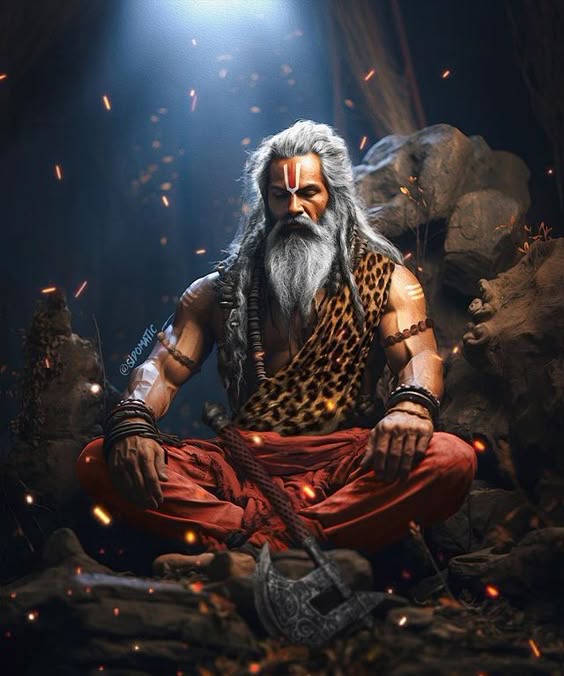
It is believed that Parashurama sought guidance from his guru, who advised him to perform prayaschit (atonement rituals) in the Himalayas, the abode of gods. To cleanse his soul, he was told to bring learned Brahmins from the four sacred directions of India—each representing spiritual energy—and settle them in secluded villages.
🏞️ The Sacred Settlements of Redemption
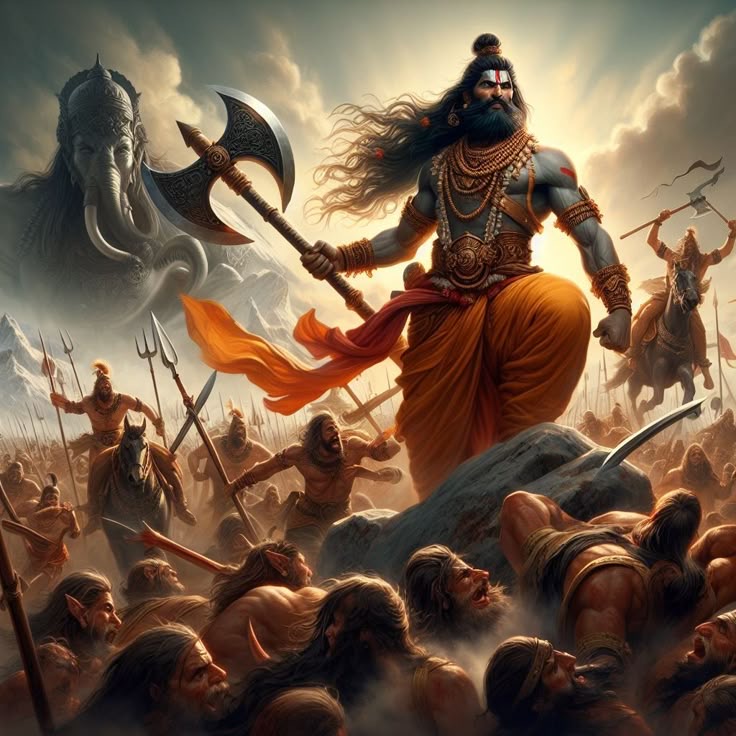
Following this divine counsel, Parashurama journeyed into the pristine valleys of Himachal Pradesh. He invited Brahmins and offered them sacred lands to reside, creating centers of spiritual learning and worship. These villages became known as the Parashurama Thahriyan, each symbolizing his attempt to balance karma with seva.
- 🌿 Shaneri – representing the northern direction, where rituals connected with purification and protection were practiced.
- 🔥 Dansa – symbolizing the southern direction, linked with yajnas and fire rituals of transformation.
- 💧 Lalsa – representing the western direction, devoted to the water element and cleansing traditions.
- 🌸 Shingla – the eastern seat, aligned with dawn and renewal, becoming a hub for Vedic recitations.
These villages still carry traces of his spiritual footprint, woven into the folklore of Devbhoomi Himachal.
✨ Legacy Beyond the Warrior

Parashurama is often remembered as the axe-wielding sage who stood against Kshatriya arrogance. But in Himachal, his image softens into that of a penitent son, a seeker who transformed guilt into dharmic responsibility. The Parashurama Thahriyan remain silent witnesses of a forgotten saga—where even gods and avatars embraced humility before dharma.
🌺 Conclusion
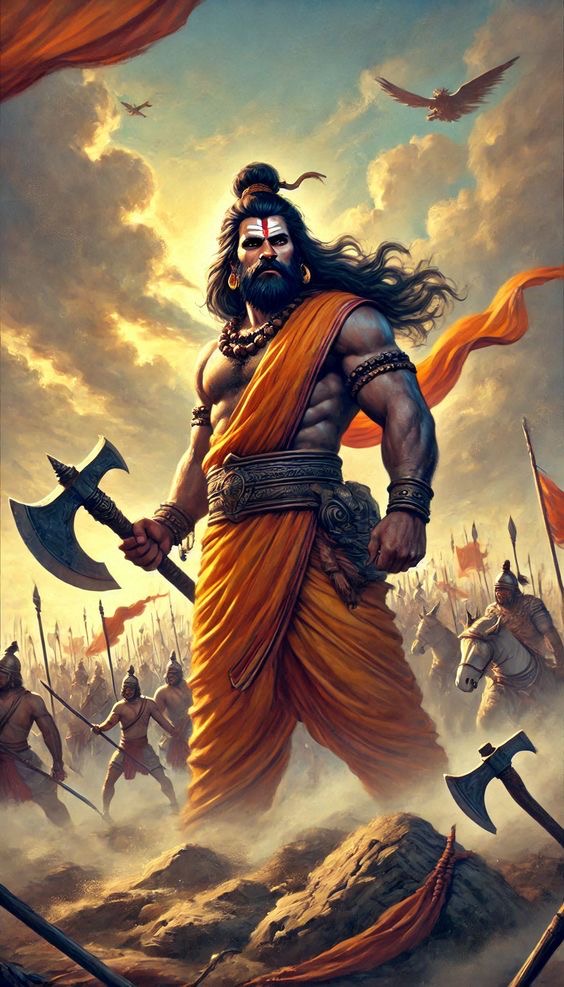
The story of Parashurama in Himachal is not about violence or vengeance but about healing, humility, and higher purpose. It reminds us that redemption lies not in denial of mistakes but in the courage to seek balance. Devbhoomi continues to guard this tale, whispering it through mountains and rivers for those who listen.

