
Civilizations rise like the sun, blaze for centuries, and then fade into ruins. Rome, Mesopotamia, Egypt—all left behind silent stones and scattered scrolls. Yet, amidst the collapse of empires, Sanātana Dharma—the world’s oldest living tradition—remains unbroken, still practiced by over a billion people. The question is not just “how,” but why.
🌿 Adaptability: The Secret of Timelessness
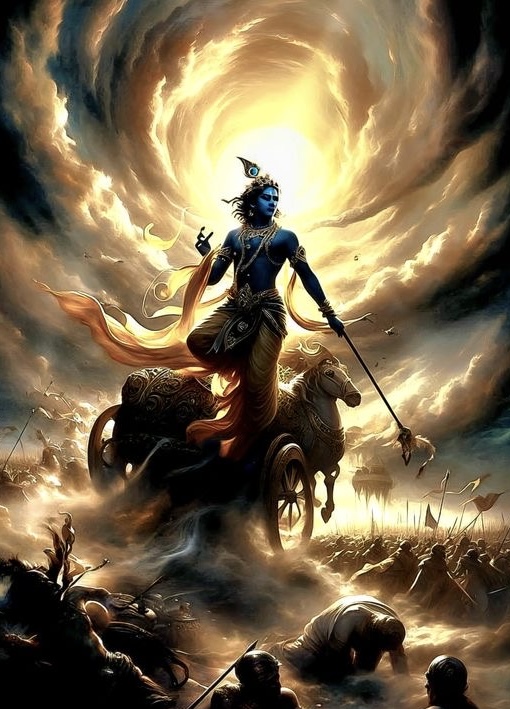
Unlike rigid systems, Sanātana Dharma is not confined to a single prophet, scripture, or doctrine.
- 🌸 It embraces multiple paths—bhakti, jñāna, karma, yoga—allowing seekers to choose their way.
- 🌸 Its openness to reinterpretation kept it alive during foreign invasions, colonization, and modern globalization.
- 🌸 Instead of resisting change, it absorbed Buddhist thought, Sufi traditions, and even modern science into its vast ocean of wisdom.
This elasticity of thought made Sanātana Dharma not just survive, but thrive.
🔥 Resilience Through Philosophy
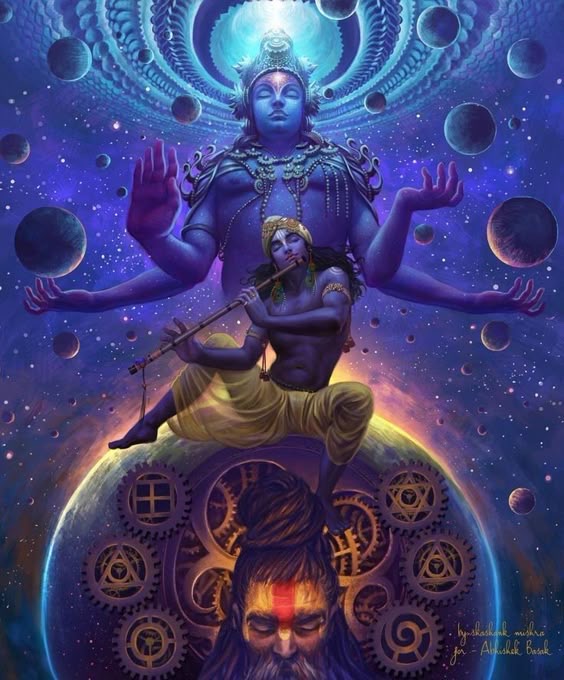
While empires collapse when their rulers fall, Sanātana Dharma rests not on power but on principles.
- ⚡ The concept of Dharma—righteous order—creates a moral compass beyond political kings.
- ⚡ The cyclical view of time (Yugas, Kalpas) gives followers patience, hope, and endurance through dark ages.
- ⚡ Even when temples were destroyed, the idea of God as infinite and formless meant that divinity could not be erased.
This resilience turned invasions into temporary storms against an eternal sky.
🌏 Universalism: A Dharma for All
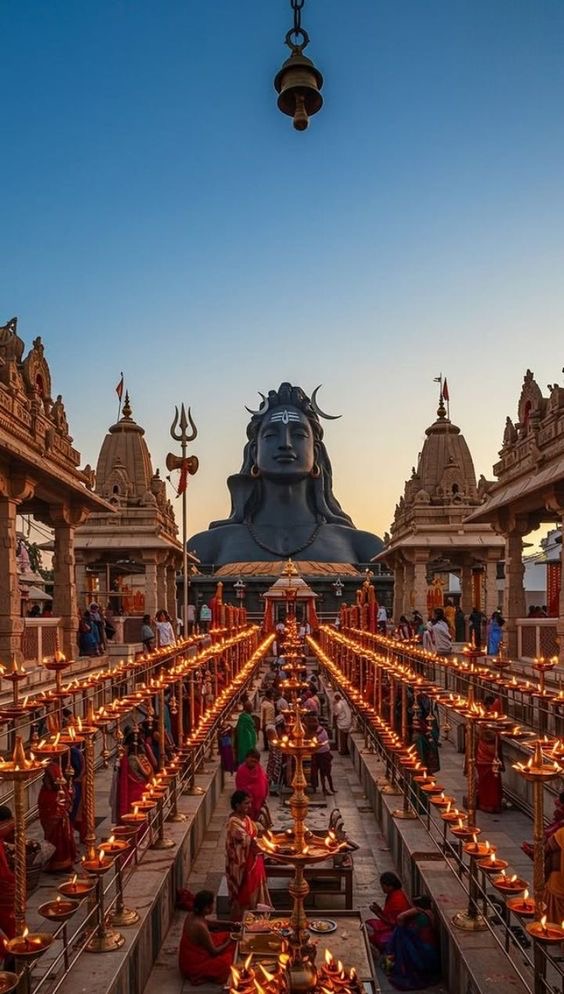
Sanātana Dharma proclaims Vasudhaiva Kutumbakam—“the world is one family.”
- 🌼 Unlike exclusivist religions, it never demanded conversion, only respect for truth.
- 🌼 This inclusivity meant it could coexist alongside other cultures rather than wage endless wars.
- 🌼 Its spiritual vocabulary—Om, Yoga, Karma, Moksha—has transcended borders, shaping global thought even today.
By being universal, it could survive anywhere.
🌙 Conclusion
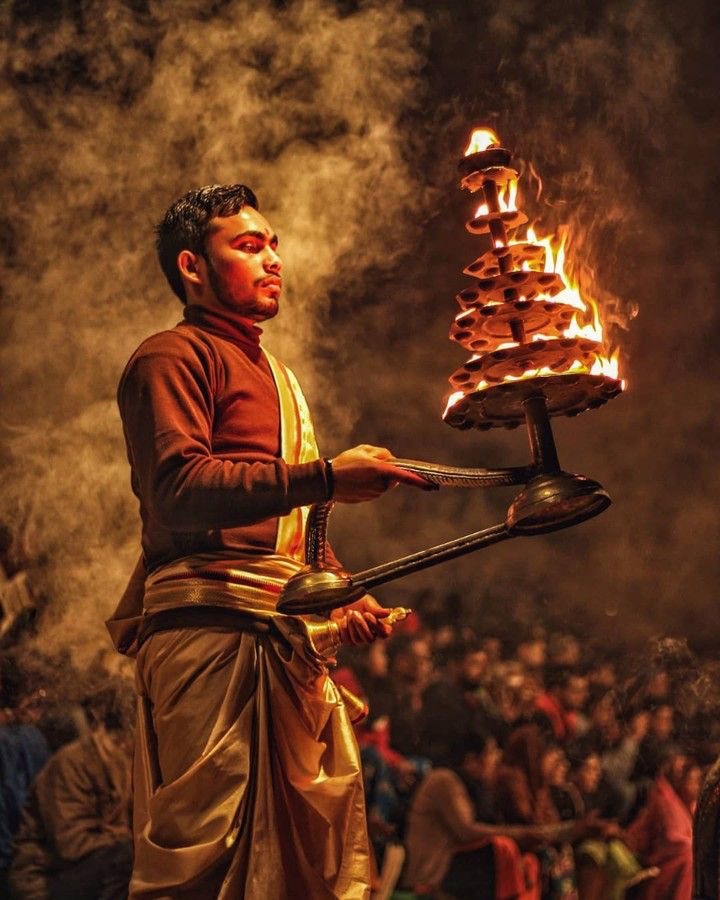
Other civilizations collapsed because they tied survival to rulers, empires, or rigid dogmas. Sanātana Dharma endures because it is not just a religion—it is a living ecosystem of ideas, evolving with time yet rooted in eternity. It is not history’s relic, but history’s reminder: truth cannot be conquered, only rediscovered.

