
Indian cinema has long been associated with Bollywood—the glitzy, song-filled world of Mumbai. But the true power of Indian storytelling often lies beyond the Hindi heartland. Regional cinema, from Tamil and Telugu to Marathi, Malayalam, and Bengali films, is quietly reshaping the national narrative and redefining how India sees itself.
🌟 Rise of Regional Cinema

Regional films are no longer confined to local audiences. With streaming platforms like Netflix, Amazon Prime, and Disney+ Hotstar, movies in Tamil, Telugu, Kannada, Marathi, Malayalam, and Bengali are reaching millions nationwide and even globally. Hits like KGF, Jigarthanda, Sairat, Drishyam, and RRR have demonstrated that powerful storytelling transcends language barriers.
🎭 Stories Rooted in Local Culture

One of the biggest strengths of regional cinema is its authenticity. These films explore local traditions, dialects, and social issues in a way mainstream Bollywood rarely does. For example:
- Sairat (Marathi) tackled caste discrimination and young love in rural Maharashtra.
- Asuran (Tamil) highlighted systemic inequality and agrarian struggles.
- Jallikattu (Malayalam) delved into human instincts through a unique lens of Kerala’s rural life.
By bringing these stories to a national platform, regional cinema shines a light on untold social realities and broadens the Indian cultural conversation.
💡 Redefining Genres

Regional filmmakers are experimenting boldly:
- Telugu and Tamil cinema have mastered high-octane action dramas with global appeal.
- Malayalam films are known for realistic narratives and human-centric stories.
- Marathi cinema continues to produce socially conscious films that challenge the status quo.
This genre diversity is pushing Bollywood to rethink its formulaic approach, encouraging more nuanced and experimental storytelling nationwide.
🌍 Global Recognition
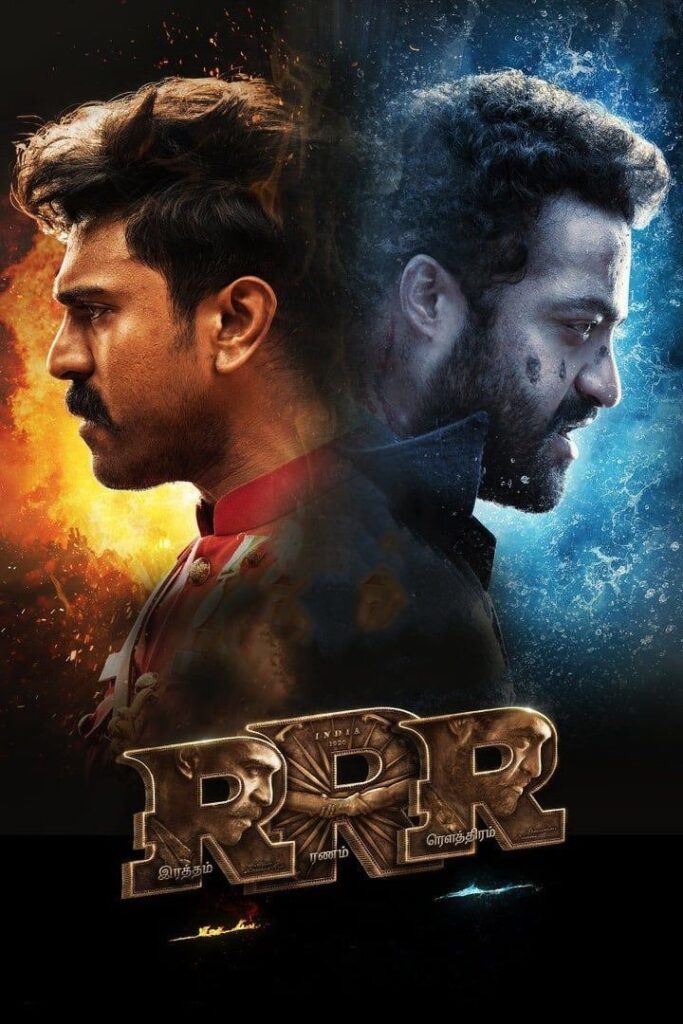
Regional cinema is now India’s strongest cinematic export. RRR won international acclaim and global awards, while Marathi films like Court and Bengali classics like Pather Panchali have made their mark in festivals worldwide. This not only elevates the status of Indian cinema globally but also reinforces that India’s identity is multi-lingual, multi-cultural, and diverse.
📈 Shaping National Conversations

Beyond entertainment, regional films influence societal perspectives:
- Highlighting rural struggles and urban-rural divides.
- Encouraging conversations around caste, gender, and social justice.
- Inspiring youth to embrace regional identity and pride.
In essence, these films are building a pan-Indian narrative that is inclusive, authentic, and socially aware.
🎥 Conclusion
Regional Indian cinema is no longer “regional.” It’s national and global in reach, power, and impact. By telling stories rooted in specific cultures yet resonating universally, it is reshaping how India perceives itself and how the world sees India.
The future of Indian cinema may not be Bollywood alone—it will be a tapestry woven from the voices of every language and every region, telling the country’s story one authentic tale at a time.

