
How Modi Govt Kept Oil Prices Stable Amid Global Shocks
Between Covid disruptions, the Ukraine war, and record-high crude prices, India faced huge fuel price risks. Yet, the Modi government managed to keep retail petrol, diesel, and LPG prices relatively stable.
Here’s how they did it in 10 clear moves:
1. Excise Duty Cuts
- Centre slashed excise duty twice (2021 & 2022), reducing petrol by ₹13/litre and diesel by ₹16/litre.
2. State VAT Reductions
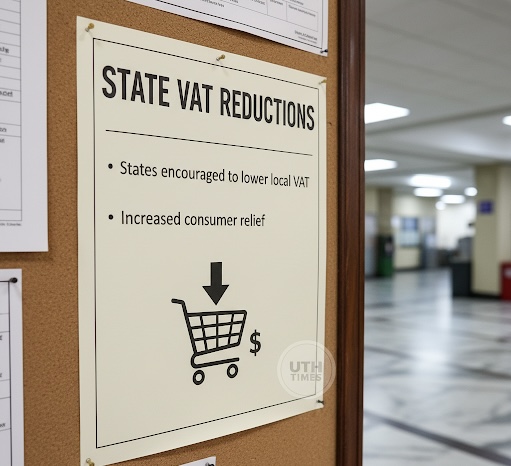
- States were nudged to cut local VAT, amplifying the relief for consumers.
3. Price Freeze
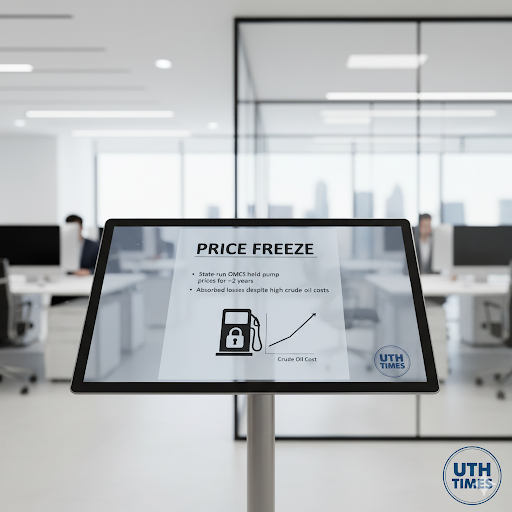
- State-run OMCs froze pump prices for nearly two years despite high crude, absorbing losses.
4. Compensation Packages
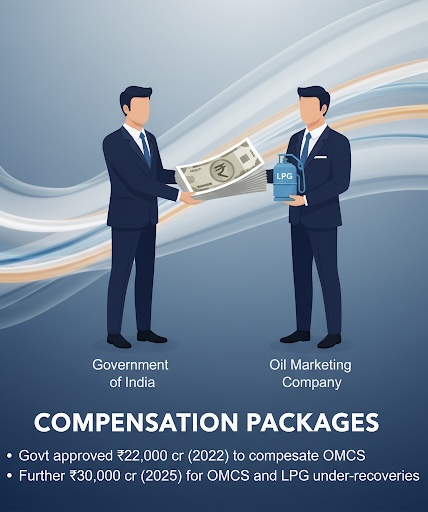
- Govt approved ₹22,000 cr (2022) and ₹30,000 cr (2025) to compensate OMCs and LPG under-recoveries.
5. Discounted Russian Oil
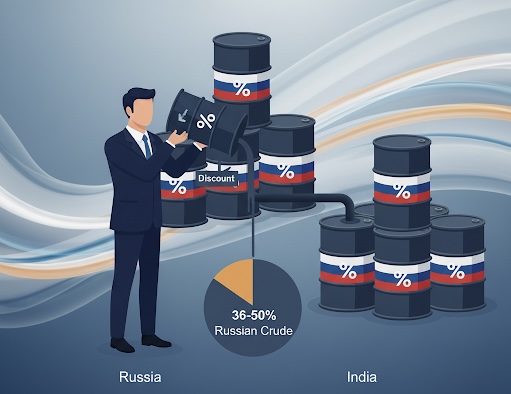
- Imports from Russia rose sharply, making up ~36–50% of India’s crude basket, easing costs.
6. Windfall Taxes
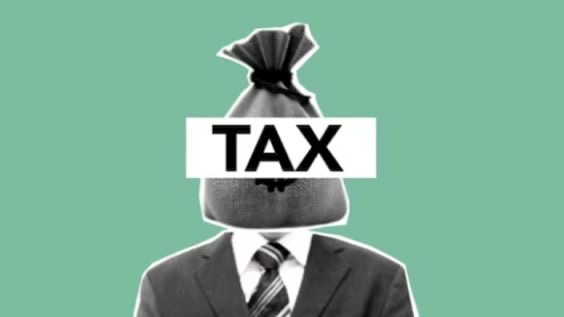
- Levies on crude and exports (2022) captured excess profits, funding consumer relief; later withdrawn as markets cooled.
7. LPG Subsidies
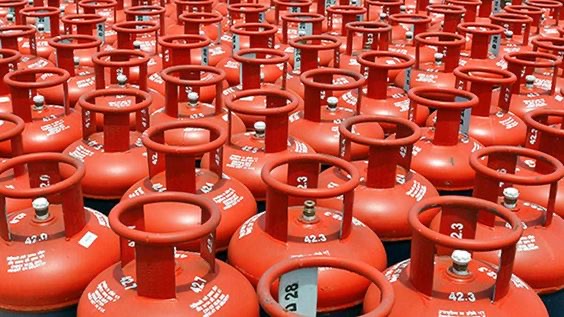
- Ujjwala beneficiaries got up to ₹400/cylinder subsidy.
- In 2023, LPG was cut by ₹200 for all households.
8. Strategic Reserves Expansion
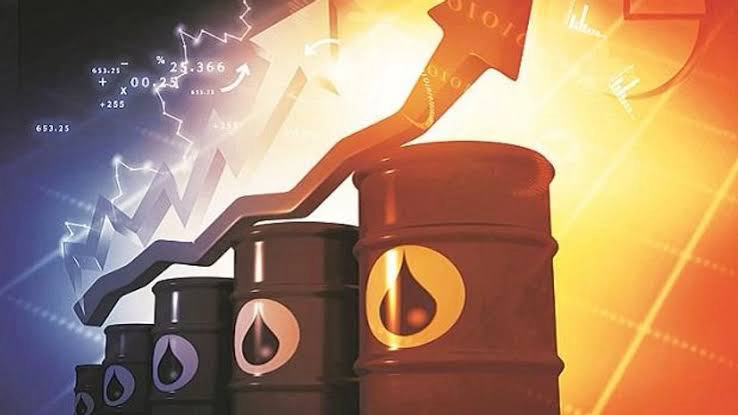
- India grew its SPR capacity and funded new sites to buffer against shocks.
9. Ethanol Blending Push
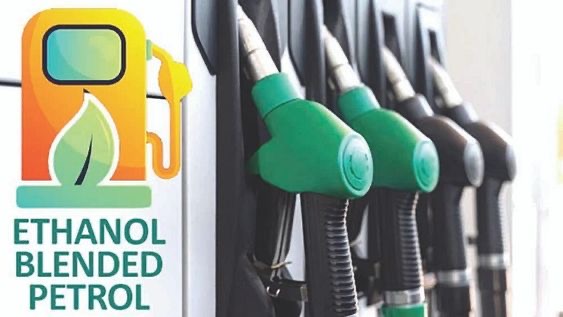
- Ethanol blending targets (E20 by 2025-26) reduced petrol dependency.
10. Targeted Relief Messaging
- By balancing tax cuts, subsidies, and policy moves, inflationary pressures on households were contained.
Summary
Through a mix of tax relief, subsidies, discounted imports, and strategic reserves, the Modi government shielded Indian consumers from volatile global oil markets. While OMCs bore short-term pain, long-term stability and consumer protection remained the priority—keeping fuel prices a political and economic win.

