
Introduction

India is once again on high alert as fresh cases of the Nipah virus have been reported in West Bengal. Known for its high fatality rate and lack of a confirmed cure or vaccine, Nipah is classified by the World Health Organization as a priority pathogen with epidemic potential. While health authorities have moved quickly to contain the situation, the outbreak has raised concerns nationwide.
Here is everything you need to know — clearly and simply.
Key Point 1: What is the Nipah Virus?
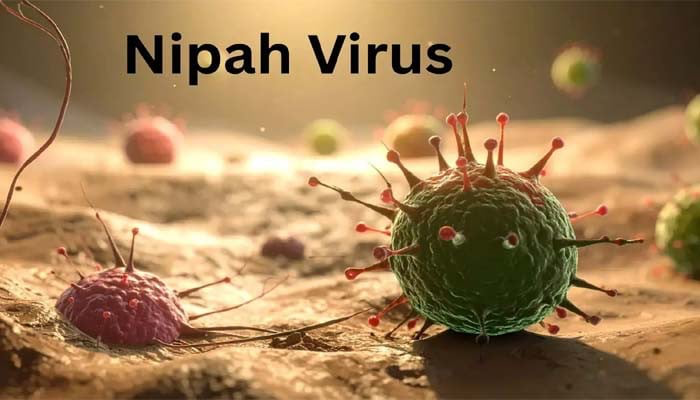
- Nipah virus (NiV) is a zoonotic disease, meaning it spreads from animals to humans.
- Fruit bats are the natural carriers.
- The virus can also spread from human to human through close contact, especially in hospital settings.
Key Point 2: Current Situation in India

- Multiple confirmed cases have emerged in West Bengal.
- Infections include healthcare workers.
- Nearly 100 close contacts have been quarantined.
- Surveillance has been intensified.
- Authorities state that the outbreak is currently cluster-based and under monitoring.
Key Point 3: Why Nipah Is Dangerous

Nipah has a fatality rate ranging between 40% to 75%, making it one of the deadliest viruses known. It can cause:
- High fever
- Severe respiratory distress
- Brain inflammation (encephalitis)
- Seizures and coma
⚠️ Symptoms can worsen rapidly within days.
Key Point 4: No Vaccine or Cure Yet
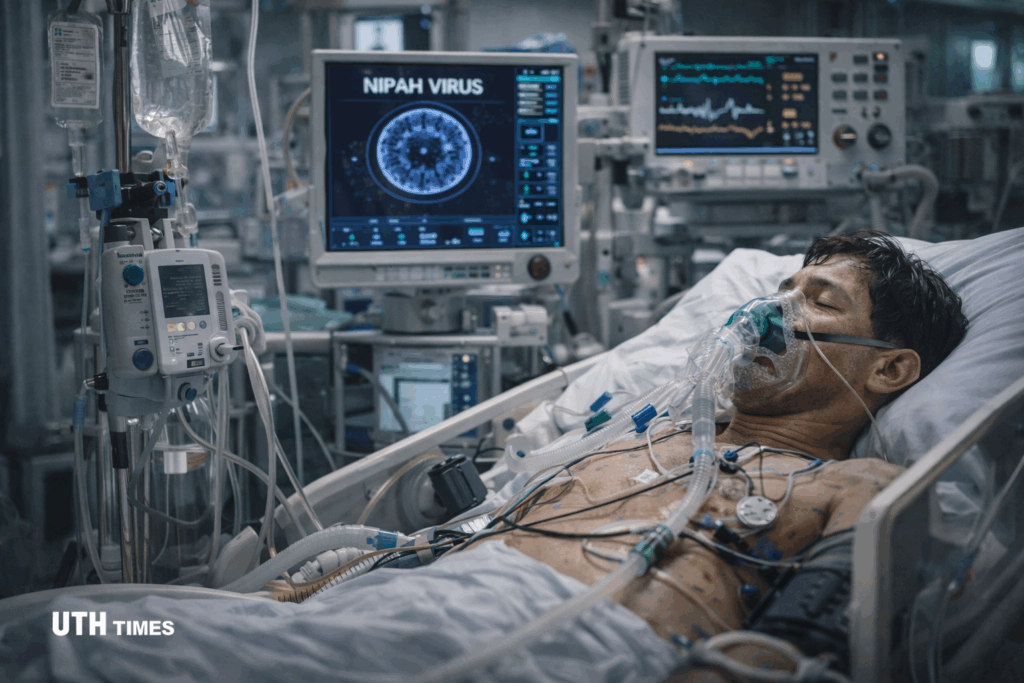
- There is no approved vaccine or antiviral treatment for Nipah.
- Treatment is supportive, including:
- Intensive care
- Oxygen support
- Symptom management
This makes early detection and isolation extremely critical.
Key Point 5: How People Can Stay Safe
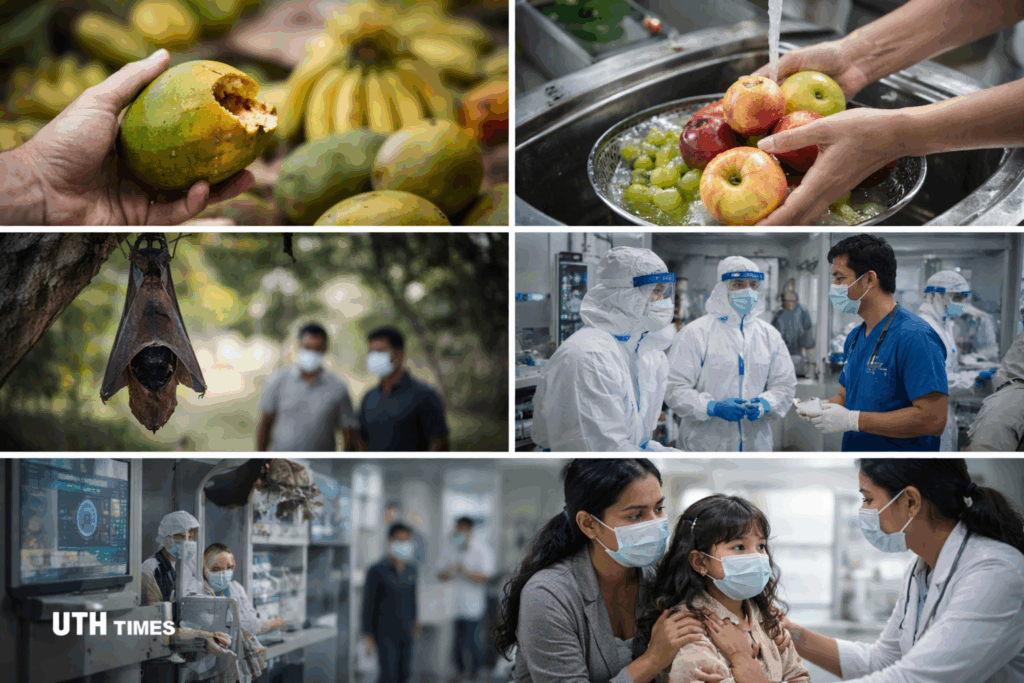
Health experts advise:
- Avoid consuming partially eaten fruits
- Wash fruits thoroughly
- Avoid contact with bats or sick individuals
- Follow hygiene and mask protocols in hospitals
- Seek medical help immediately if symptoms appear
Summary
The Nipah virus is rare but extremely serious. The current outbreak in West Bengal appears contained, but it serves as a reminder of how quickly zoonotic diseases can emerge. With no vaccine available, awareness, early reporting, and responsible public behavior remain the strongest defense.
Vigilance — not panic — is the need of the hour.
U’th Times will continue to track developments closely.

