
What once sounded like science fiction is now real. Scientists have engineered a tiny living robot made entirely from biological cells that can develop its own primitive nervous system. These next-generation creations, called neurobots, may transform medicine, robotics, and even our understanding of life itself.
🧬 What Exactly Is a Living Robot?
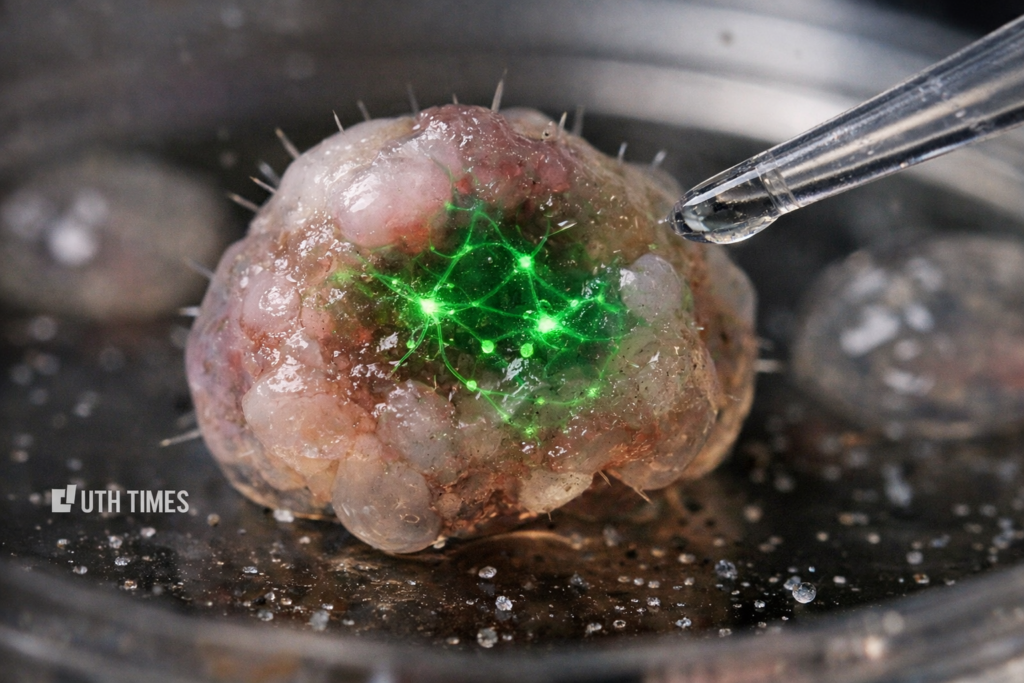
Unlike traditional robots built from metal, wires, and code, these microscopic machines are made from living cells taken from frog embryos. Earlier versions, known as xenobots, could move, self-heal, and survive for days.
Now researchers from Tufts University and Wyss Institute for Biologically Inspired Engineering have gone a step further by adding nerve precursor cells that matured into neurons. These neurons formed internal networks—essentially giving the robot a basic nervous system.
⚡ Why This Is a Historic Leap
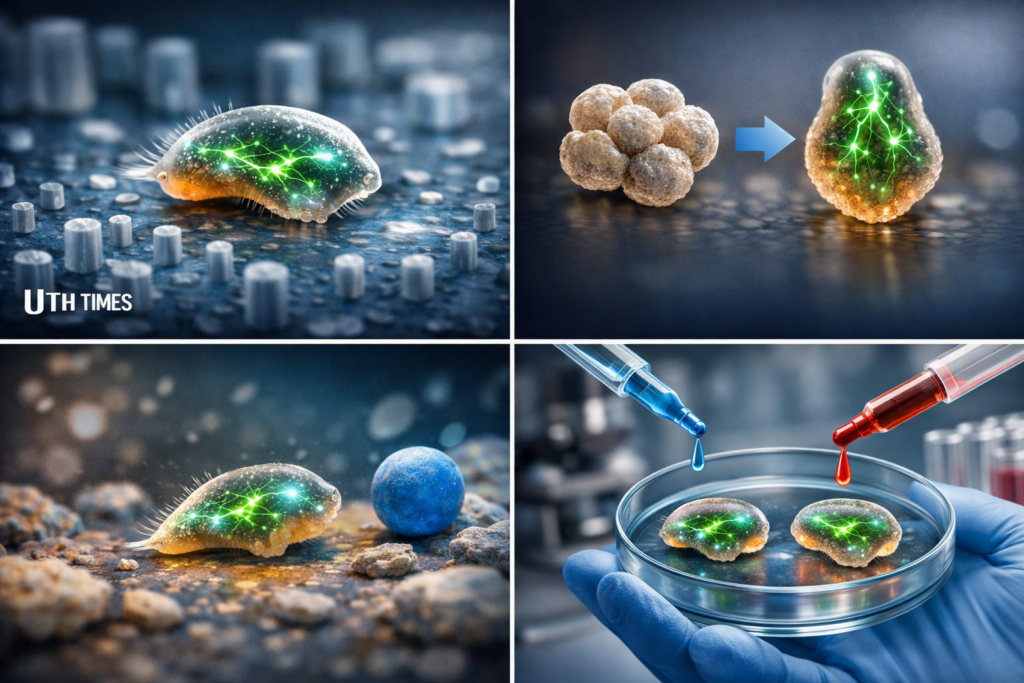
This is not just another lab experiment. It is the first time scientists have shown that a self-organized biological robot can grow a functioning nerve network that actively changes behavior.
🔹 The neurobots moved in more complex patterns
🔹 They explored their environment more actively
🔹 Their shape changed after neural integration
🔹 They responded differently to drugs affecting neural signals
That means the nervous system was not decorative—it was controlling actions.
🧠 How It Works
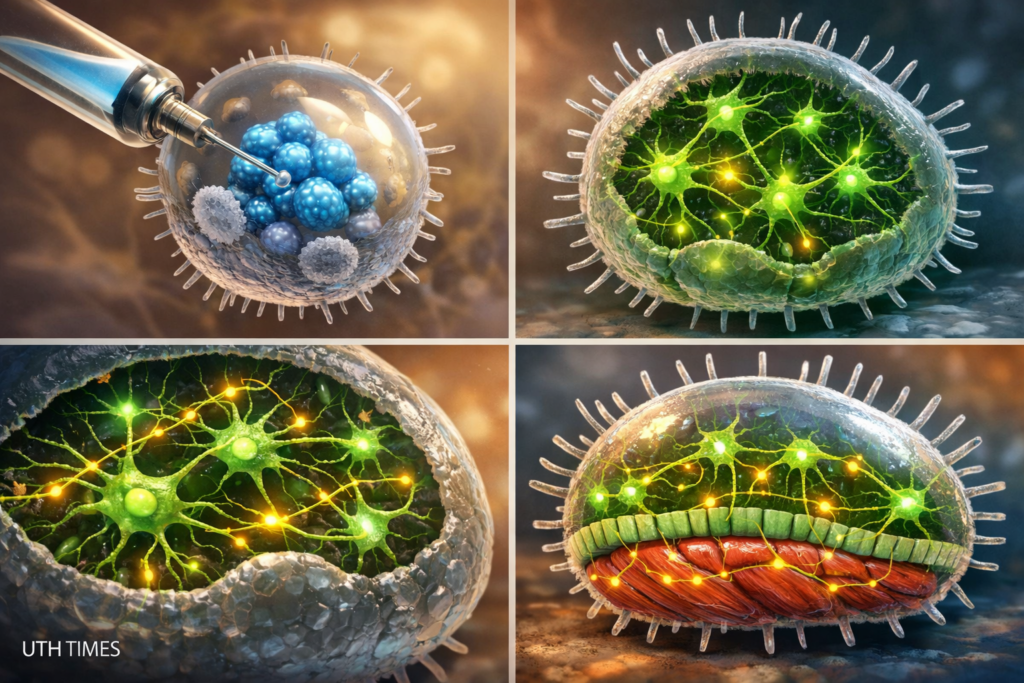
Scientists introduced neural precursor cells while the biobot was forming. As development progressed:
🔹 Cells became neurons
🔹 Neurons connected into circuits
🔹 Signals traveled internally
🔹 Networks linked with movement cells on the surface
This created a living system capable of sensing and coordinating movement from within—something earlier living robots lacked.
🚀 Future Uses Could Be Massive
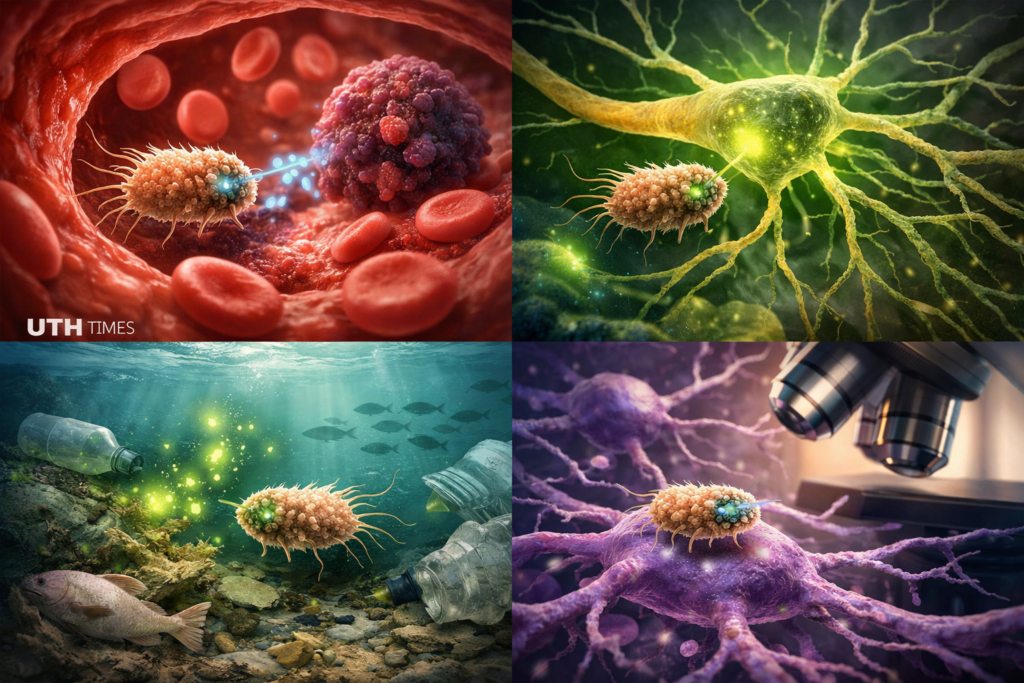
These tiny bio-machines may one day become revolutionary tools:
🔹 Medicine: Deliver drugs inside the body with precision
🔹 Tissue Repair: Help regenerate damaged nerves or organs
🔹 Environmental Cleanup: Detect toxins in water systems
🔹 Scientific Research: Study how brains and bodies organize themselves
Because they are biological and biodegradable, they may be safer than many synthetic micro-robots.
⚠️ The Big Ethical Question
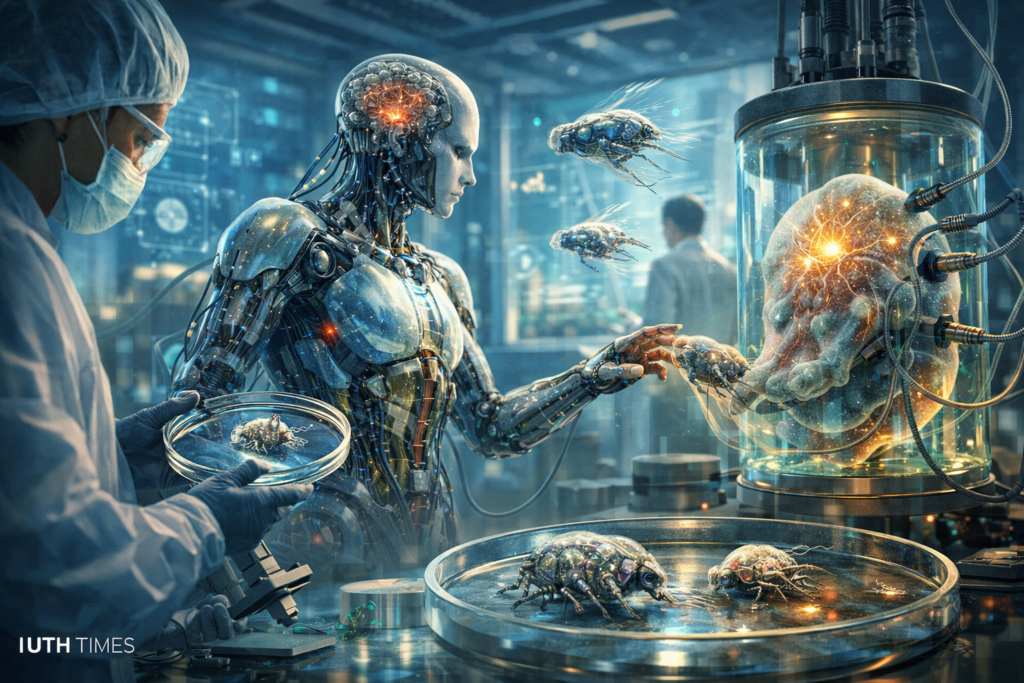
When machines are made of living tissue and begin showing coordinated behavior, science enters a gray zone:
🔹 What qualifies as life?
🔹 How much autonomy is acceptable?
🔹 Should biological robots have limits?
These questions are likely to grow louder as the technology advances.
This is more than robotics. It is the merging of biology, intelligence, and engineering into something entirely new. Today’s neurobots are microscopic. Tomorrow’s could reshape healthcare, industry, and the definition of life itself.

