
While India’s cities are racing ahead with skyscrapers, metros, and startups, many villages are quietly rewriting the script of progress. These rural communities are achieving feats that urban centres still struggle with — from zero waste to 100% literacy. Here’s a look at six inspiring examples.
1️⃣ Mawlynnong, Meghalaya – Asia’s Cleanest Village

This Khasi village has achieved what most Indian cities can’t: near-zero litter. Every household participates in waste segregation, bamboo dustbins line every street, and plastic is banned. Tourists call it “God’s Own Garden.”
🌿 Urban lesson: Cleanliness is a culture, not a campaign.
2️⃣ Hiware Bazar, Maharashtra – The Model of Water Conservation
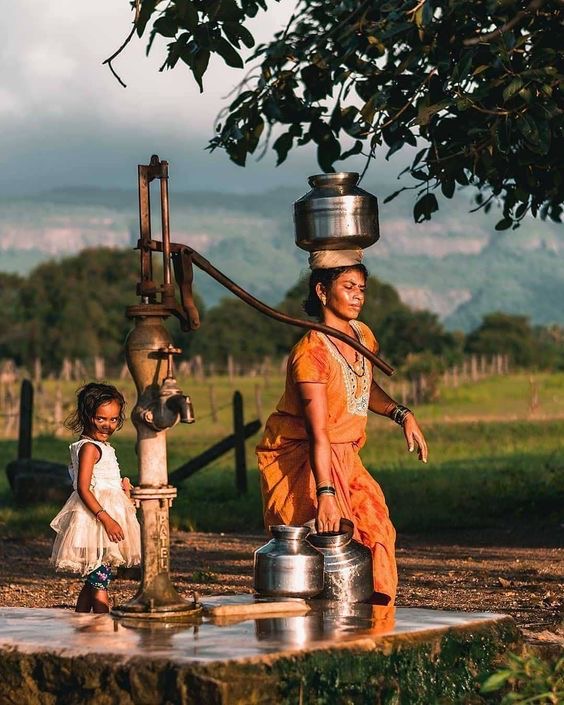
Once drought-prone, this village transformed through watershed management and collective decision-making. Today, it boasts per capita incomes higher than some towns and zero poverty.
💧 Urban lesson: Sustainable water practices beat over-reliance on tankers.
3️⃣ Punsari, Gujarat – The “Smart Village”
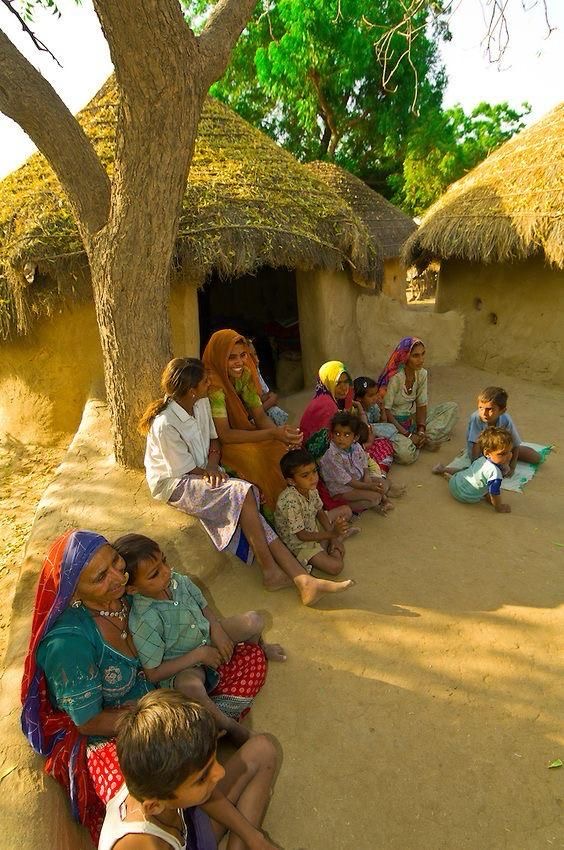
Free Wi-Fi, CCTV surveillance, solar lighting, health insurance for all — Punsari has it all without losing its rural charm. Funded by government schemes and community support, it’s a glimpse of a truly “Digital India.”
📡 Urban lesson: Tech adoption doesn’t need sky-high budgets.
4️⃣ Dharnai, Bihar – India’s First Solar-Powered Village
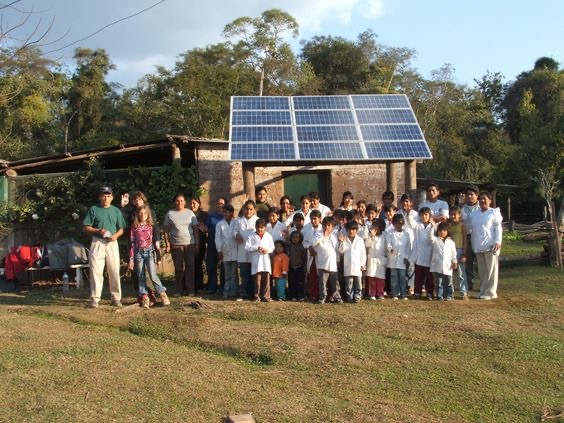
Dharnai, once electricity-starved, now runs entirely on solar micro-grids. Streetlights, schools, and homes all run on clean energy — something even metros haven’t fully achieved.
☀️ Urban lesson: Renewable energy can power entire communities.
5️⃣ Kuttanad, Kerala – Organic Farming at Scale
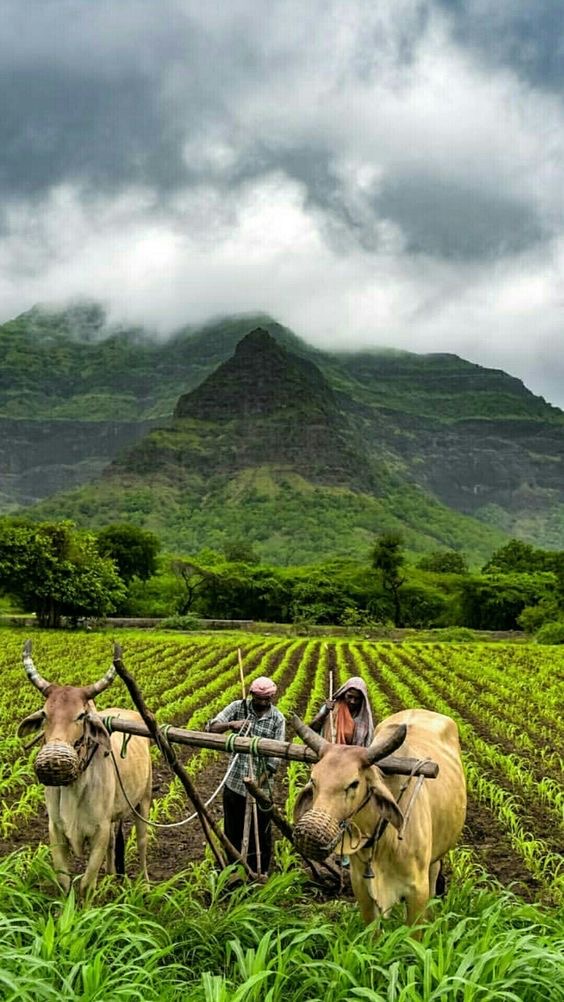
This region, called the “Rice Bowl of Kerala,” has pioneered organic farming on reclaimed wetlands. Farmers work cooperatively, using eco-friendly methods cities are still experimenting with.
🌾 Urban lesson: Sustainable food systems start with collective will.
6️⃣ Mendha Lekha, Maharashtra – Self-Governance in Action
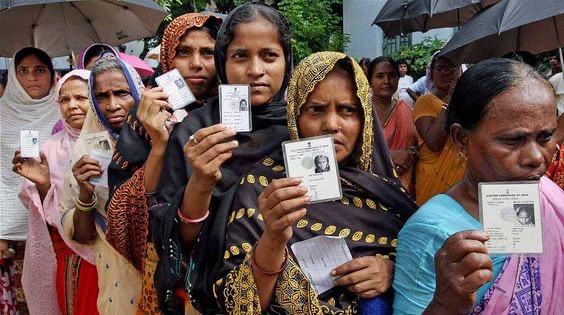
This tribal village runs on true grassroots democracy. Every decision — from forest management to education — is taken in the Gram Sabha. They’ve achieved community ownership of 1,800 hectares of forest.
🗳️ Urban lesson: Participation is stronger than top-down planning.
🌟 Conclusion: Lessons for Urban India
These villages prove that progress isn’t always about concrete and glass. By blending tradition, collective action, and smart innovation, rural India is quietly doing what many cities still only aspire to do. Perhaps the future of sustainable living will be written not in metros, but in villages.

