
Aging has long been considered irreversible at the cellular level. But scientists at the Babraham Institute have just shaken that belief. In a landmark study, researchers successfully made 50-year-old human skin cells behave as if they were 30 years younger—without turning them into stem cells. This is not science fiction. This is cellular rejuvenation, real and measurable.
🔬 The Science Behind the Cellular “Reset”
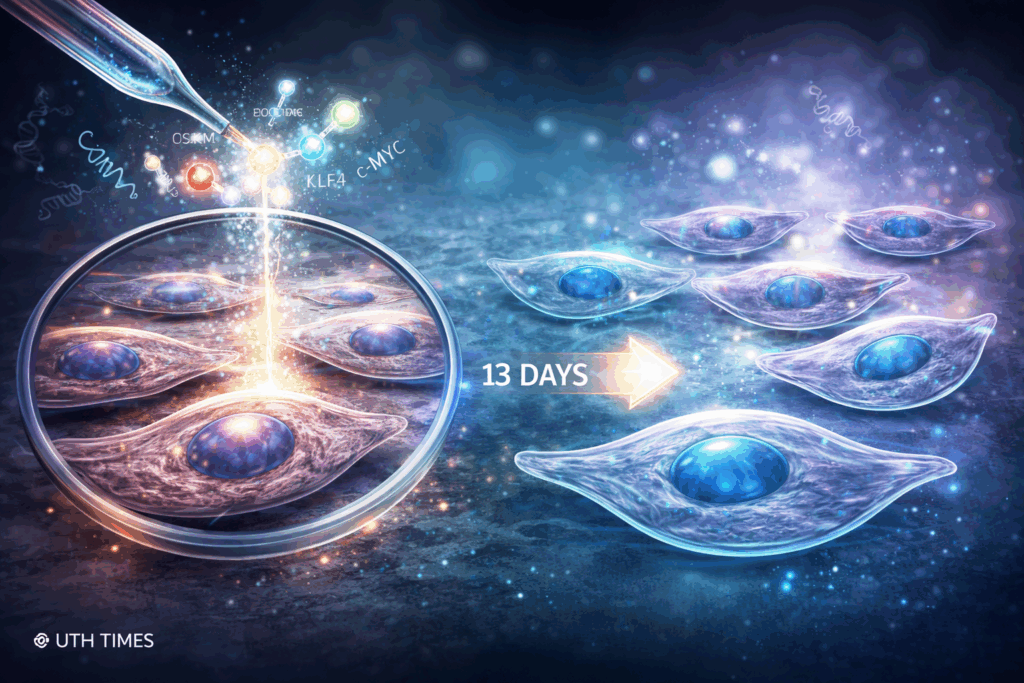
At the heart of this discovery lies a carefully controlled twist on a Nobel Prize–winning technique developed by Shinya Yamanaka.
Instead of fully reprogramming adult cells into stem cells, researchers used a partial reprogramming approach:
- 🧬 Adult skin cells (fibroblasts) were exposed to Yamanaka factors
- ⏳ The process was deliberately stopped early—after just 13 days
- 🔄 Cells reverted back to skin cells, but with a younger molecular identity
This precise interruption proved to be the breakthrough moment.
🧠 Molecular Age Reversal: Proof, Not Promise
Scientists didn’t rely on appearance—they relied on data.
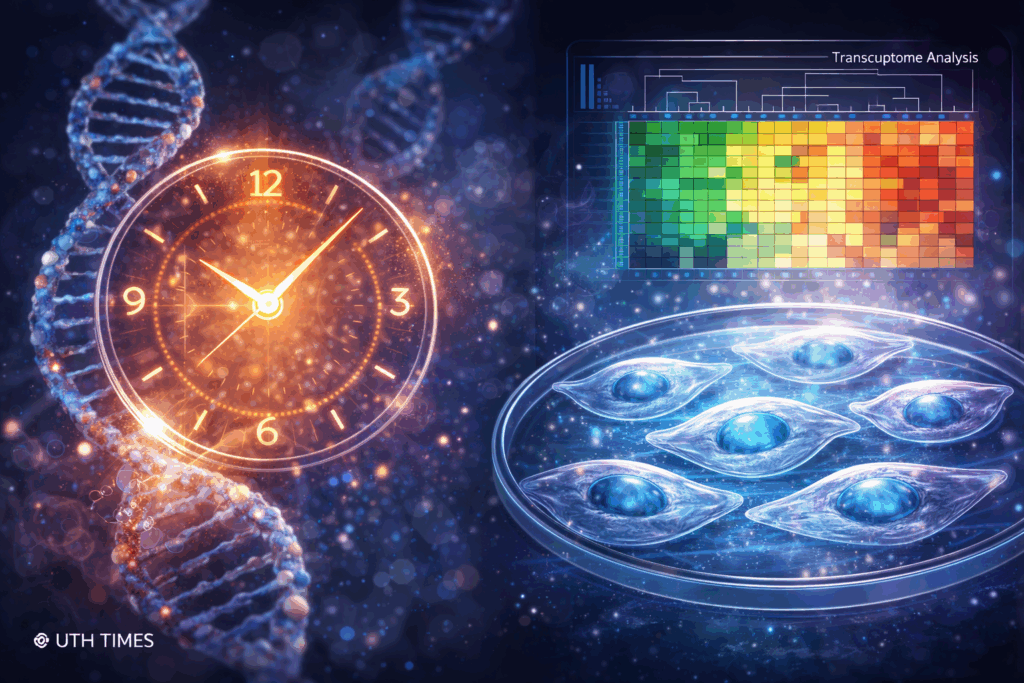
The rejuvenated cells were analyzed using:
- 🧪 Epigenetic clocks (chemical aging markers on DNA)
- 📊 Transcriptome analysis (patterns of gene activity)
The results were stunning. The treated cells closely matched the biological profile of much younger cells, shedding many age-related molecular signatures—without losing their identity.
🩹 Younger Cells, Younger Behavior
What truly elevated this discovery was functionality.
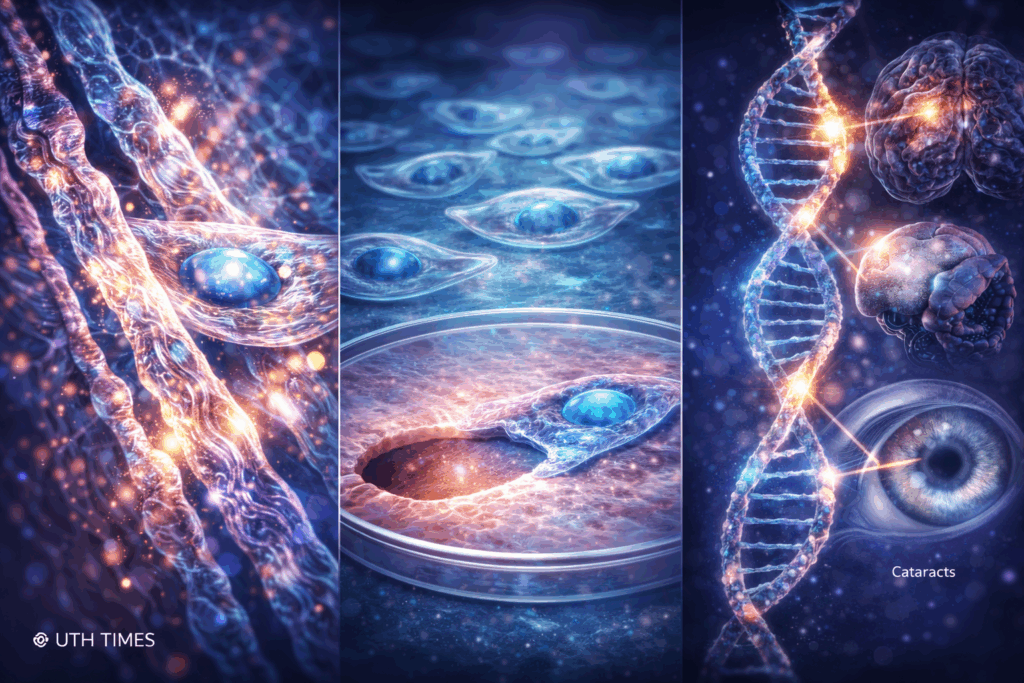
The rejuvenated fibroblasts:
- 🧴 Produced significantly more collagen, vital for firm, healthy skin
- 🏃♂️ Migrated faster to close artificial wounds in lab tests
- 🔁 Showed reversal in genes linked to Alzheimer’s disease and cataracts
This wasn’t cosmetic youth—it was functional rejuvenation.
🌍 Why This Discovery Is a Game-Changer
This technique hints at a future where aging tissues can be selectively refreshed—without the risks of uncontrolled stem cell growth.
Potential implications include:
- 🧠 Slowing neurodegenerative diseases
- 🦴 Improved tissue repair and wound healing
- 🧬 Targeted anti-aging therapies at the cellular level
Importantly, cells were not fully reset, avoiding cancer-related risks often linked with stem cell conversion.
This research is still in its early stages. But it marks a powerful shift: aging may not be a one-way street after all. If refined and safely translated into humans, partial cellular reprogramming could redefine how we treat aging itself.
The clock hasn’t stopped—but science just learned how to rewind it.

