
The Moon has long been seen as a barren rock in space. But now, it may become humanity’s next living frontier. Scientists have found a way to extract breathable oxygen directly from lunar dust—an achievement that could eliminate one of the biggest barriers to building permanent bases on the Moon.
🌕 What Is Lunar Dust and Why Does It Matter?
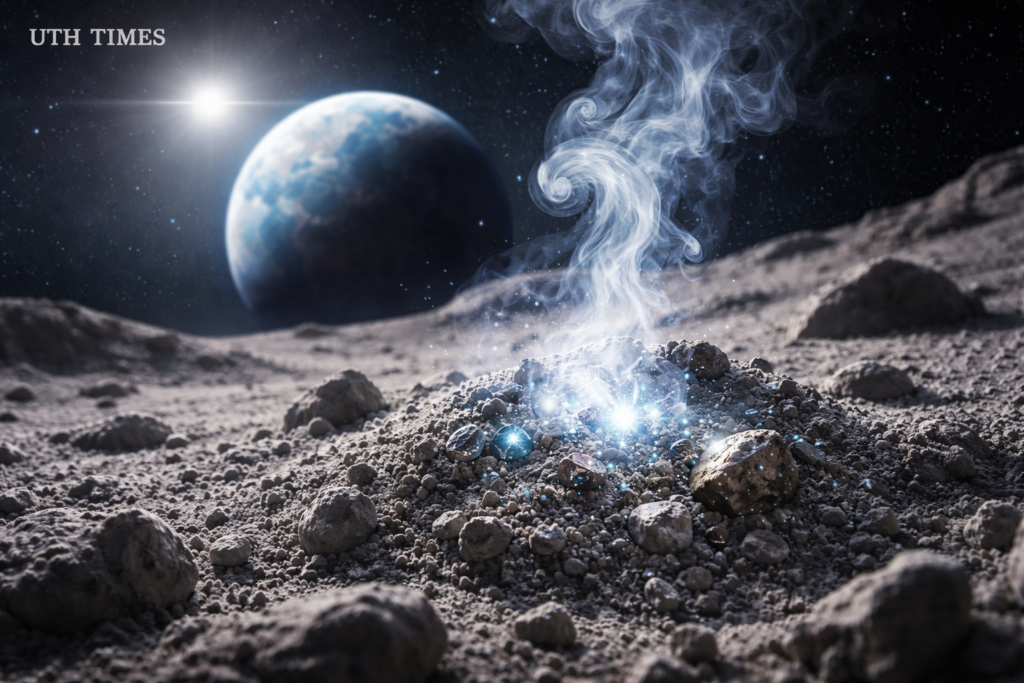
Lunar dust, known as regolith, covers the Moon’s surface. It looks lifeless, but it hides enormous value. Nearly 45% of lunar regolith contains oxygen, locked inside minerals rich in iron, silicon, aluminum, and titanium. That oxygen cannot be breathed naturally—but with advanced processing, it can now be released.
This means astronauts may no longer need every oxygen tank shipped from Earth.
🚀 How Scientists Produced Oxygen
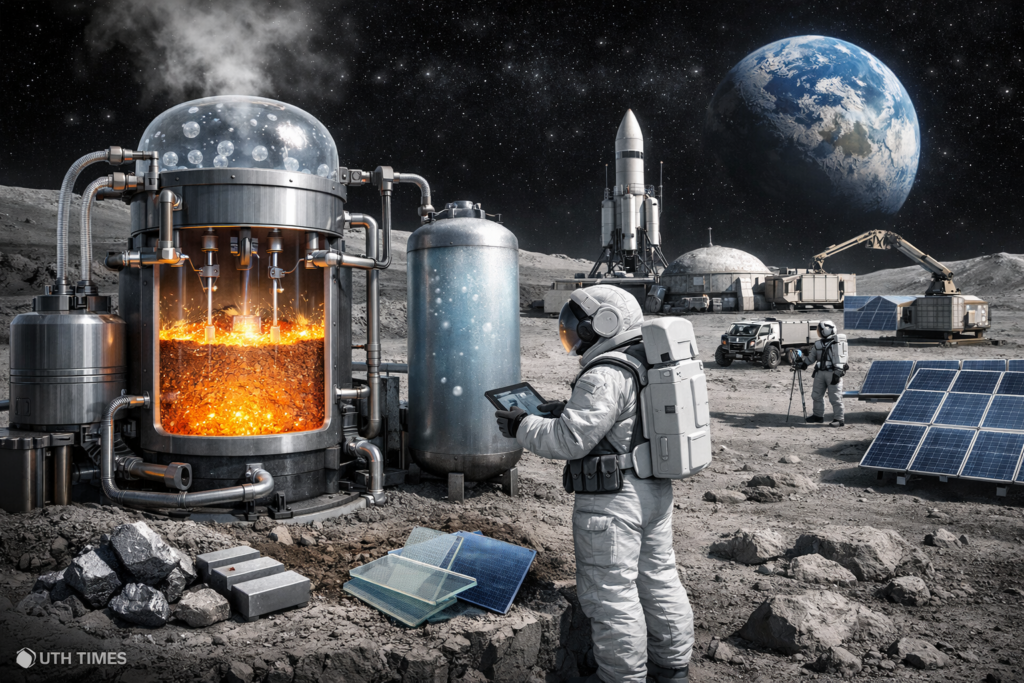
A newly developed reactor system reportedly used electrical current and high-temperature processing to separate oxygen from Moon soil. Instead of carrying huge life-support cargo from Earth, future missions could “mine” oxygen directly on-site.
🔹 Oxygen for breathing inside habitats
🔹 Oxygen for rocket fuel production
🔹 Metals left behind for construction
🔹 Glass and silicon for solar panels and windows
This is far more than an air experiment—it is the foundation of a lunar economy.
🏠 Why This Changes the Future of Moon Bases
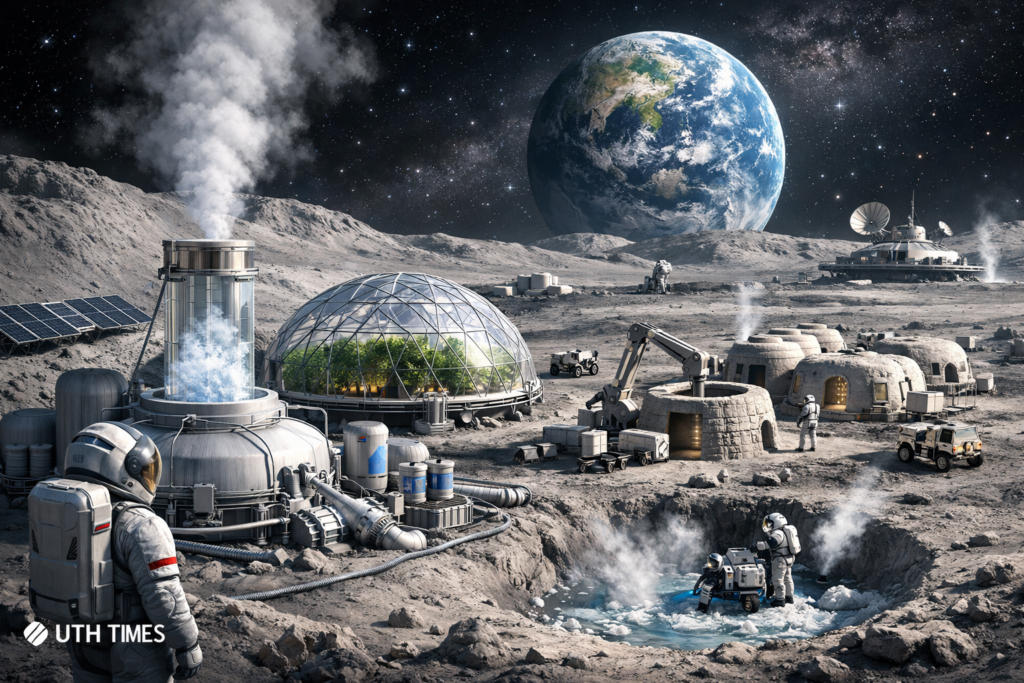
Every kilogram launched from Earth costs massive money and fuel. Transporting oxygen, water, and building materials to the Moon makes long-term settlement extremely expensive.
Now imagine this instead:
🔹 Moon dust becomes air
🔹 Moon minerals become buildings
🔹 Local resources support astronauts
🔹 Bases expand without constant Earth resupply
That transforms temporary missions into sustainable colonies.
Global powers are racing toward the Moon through programs like NASA Artemis and private efforts from Blue Origin. Oxygen production from lunar soil gives any nation or company a strategic advantage in future exploration.
Whoever masters using Moon resources first may dominate the next era of space infrastructure.
⚠️ Challenges Still Remain

The Moon is harsh:
🔹 Extreme temperatures
🔹 Toxic sharp dust particles
🔹 Radiation exposure
🔹 Low gravity conditions
🔹 Need for reliable power systems
So while oxygen extraction is a breakthrough, turning it into a full industrial system will require years of engineering.
This is not just about making air. It is about making the Moon habitable. The day humans stop carrying survival supplies from Earth and start producing them in space is the day civilization truly becomes multi-planetary.

