
Introduction
Before long, Hombale Films transformed from a relatively small Kannada banner into one of India’s most powerful pan-Indian production houses. In just over a decade, it has delivered national hits like KGF, Kantara, and Salaar, expanding beyond regional boundaries and making its mark in multiple languages. What enabled this rapid ascent? Here are five key insights.
5 Key Insights
1. Visionary Leadership & Risk Appetite
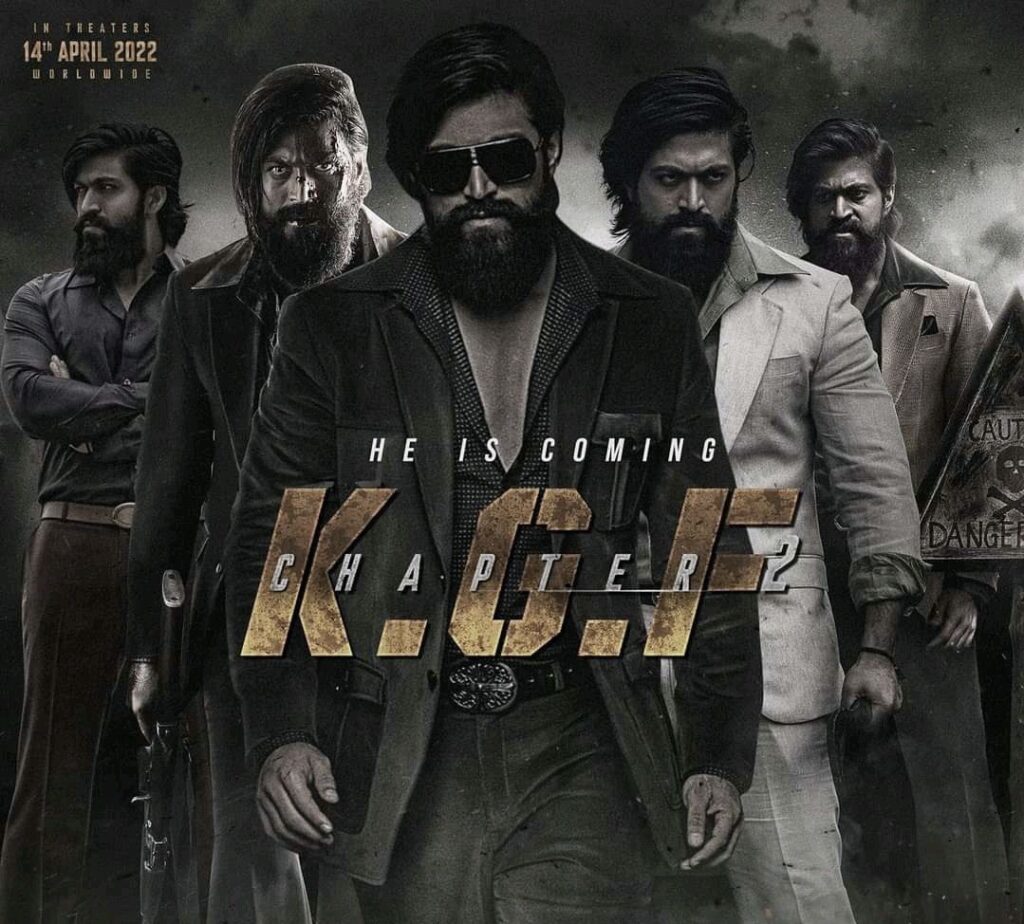
Co-founded in 2012 by Vijay Kiragandur and Chaluve Gowda, Hombale Films displayed bold ambition early on. Rather than confining itself to the safer regional circuit, it took calculated risks—investing in larger scale, multi-language releases.
2. Smart Content with Universal Appeal
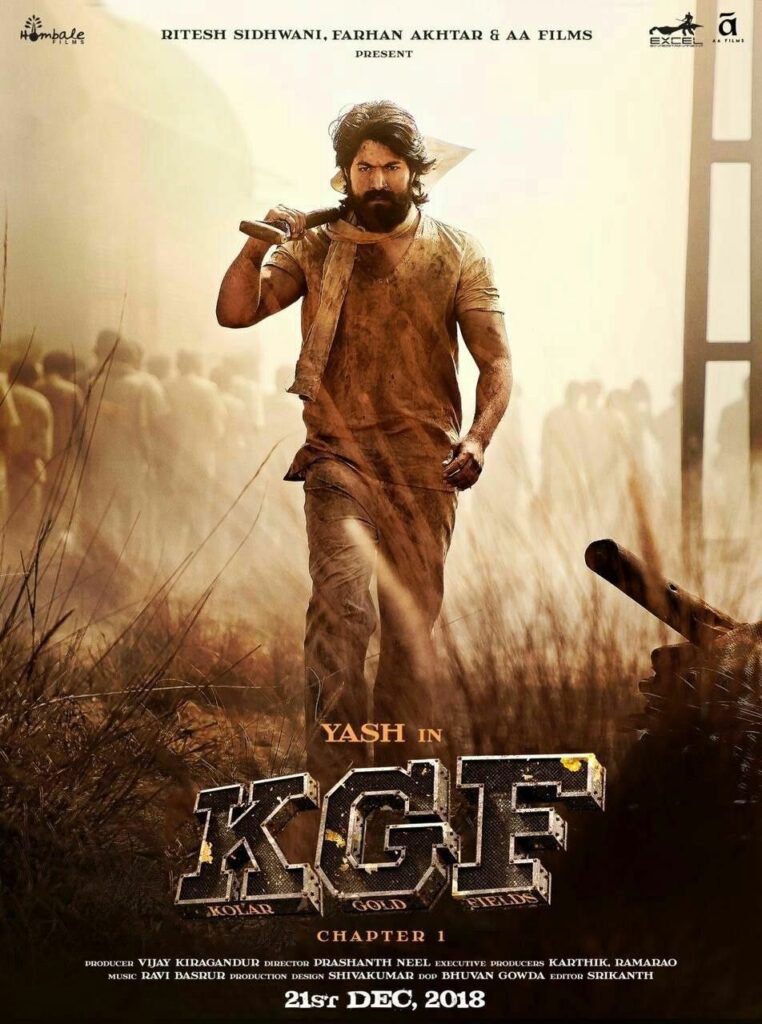
Their big break came with KGF: Chapter 1, which was produced in Kannada but released across multiple languages. That established Hombale as a house that could deliver mass-appeal, pan-India content.
3. Deep Roots in Regional Identity + Storytelling

Even when aiming national, Hombale’s films often root themselves in local culture—Kantara, for instance, draws on folklore and nature. This “rooted yet global” balance gives them emotional authenticity and mass resonance.
4. Aggressive Language & Market Expansion
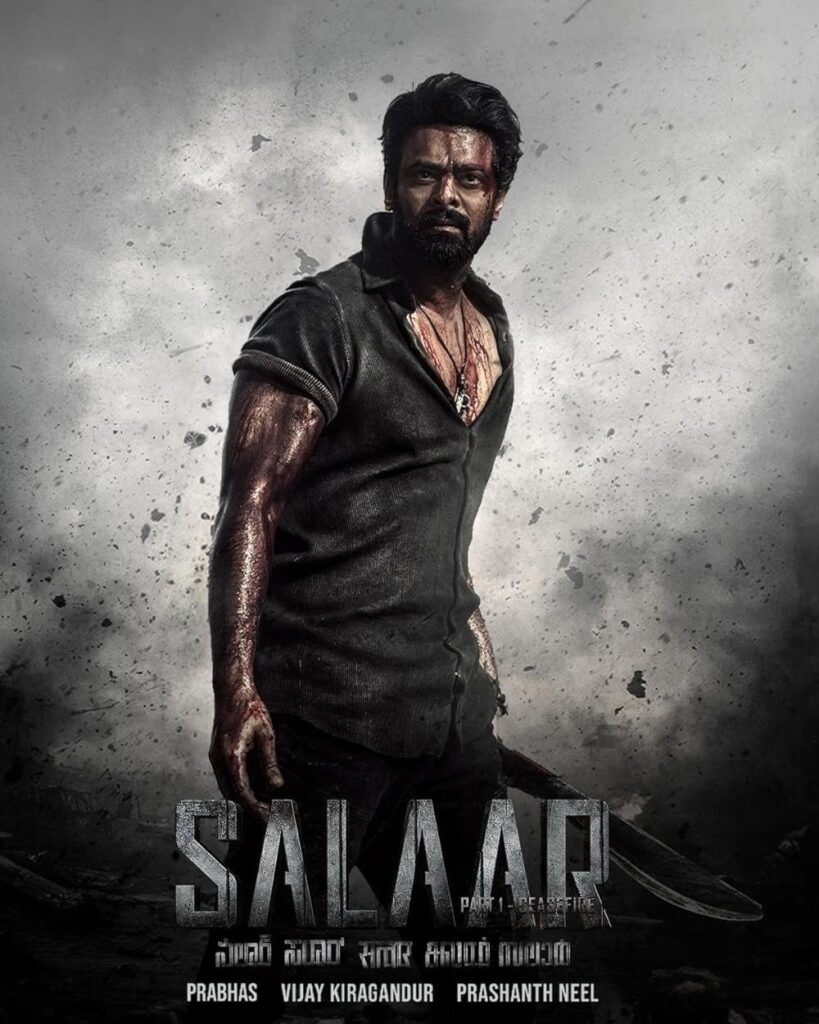
They didn’t wait for others to come to them. Hombale has actively ventured into Telugu, Tamil, Malayalam, and even animation. Their projects like Dhoomam (Malayalam) and Raghu Thatha (Tamil) are signposts of that expansion.
5. Franchise and Universe Building

Instead of one-off blockbusters, Hombale is now building cinematic universes. Their new Mahavatar animated universe, and the extended Kantara franchise are examples of long-term thinking and intellectual property leverage.
Summary
In less than fifteen years, Hombale Films earned its place among India’s cinematic heavyweights by pairing ambition with authenticity. With leaders who dare to dream big, content that resonates across regions, and strategic expansion across languages and formats, they’ve created not just hit films—but sustainable franchises and a pan-India identity.
Their rise offers a model for how regional players can scale into national powerhouses without losing their core cultural integrity.

