
🚢 A crisp explainer India’s New Shipbuilding Push — 10 Key Points :
1️⃣ Ambition
India targets 5% of global shipbuilding by 2030 — a step-change from today’s small share.
2️⃣ 10 Shipyards via PPP
The government plans 10 world-class shipyards through public-private partnerships and global collaborations.
3️⃣ National Container Line
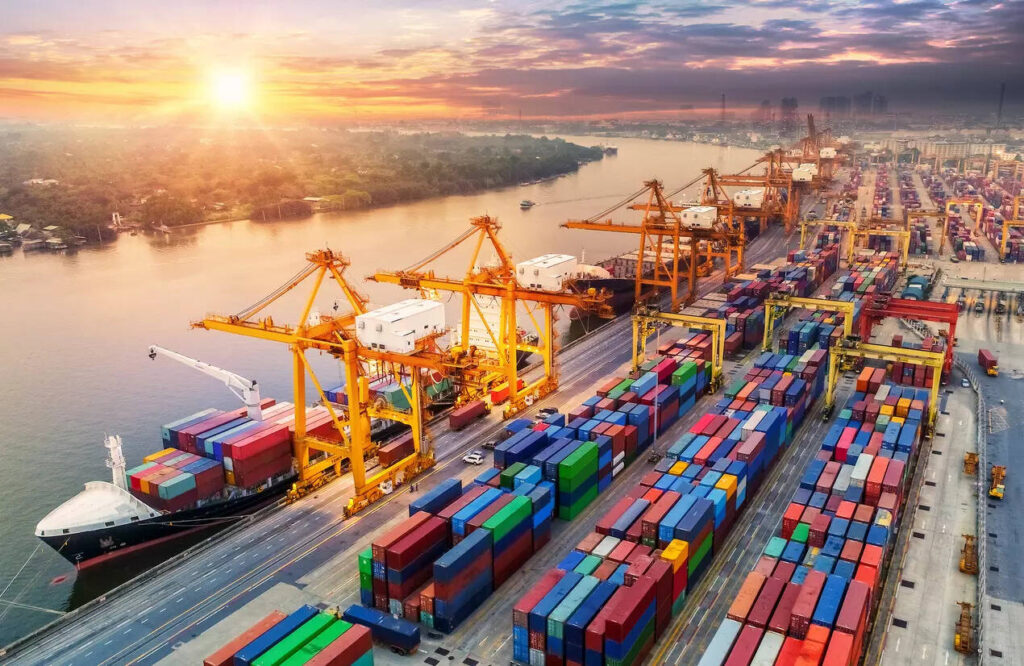
A state-backed container shipping line is slated, reducing reliance on foreign carriers and securing strategic freight capacity.
4️⃣ Skill Pipeline
50,000 workers to be trained by 2030 under the upcoming National Shipbuilding Policy—focused on modern production and maintenance skills.
5️⃣ National Shipbuilding Policy (NSP)
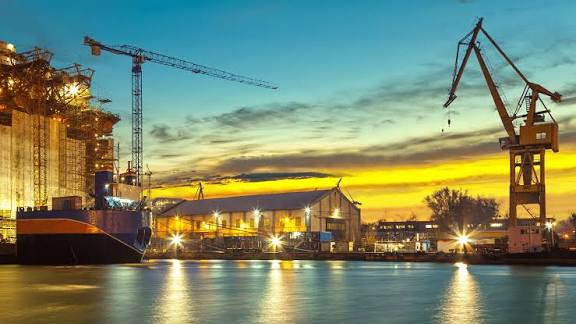
NSP to streamline regulations, extend tax incentives, and lay out a 10-year roadmap for capacity growth.
6️⃣ Green & Autonomous Tech
R&D push for green fuels, cleaner vessels, and autonomous systems to future-proof the fleet.
7️⃣ Domestic Production
Vision includes ramping up domestic vessel manufacturing and integrating coastal industrial clusters with PM Gati Shakti.
8️⃣ Export Competitiveness
Larger yards + scale manufacturing aim to cut unit costs, improve delivery timelines, and win export orders in niche segments (coasters, small tankers, specialized craft).
9️⃣ Financing & Incentives
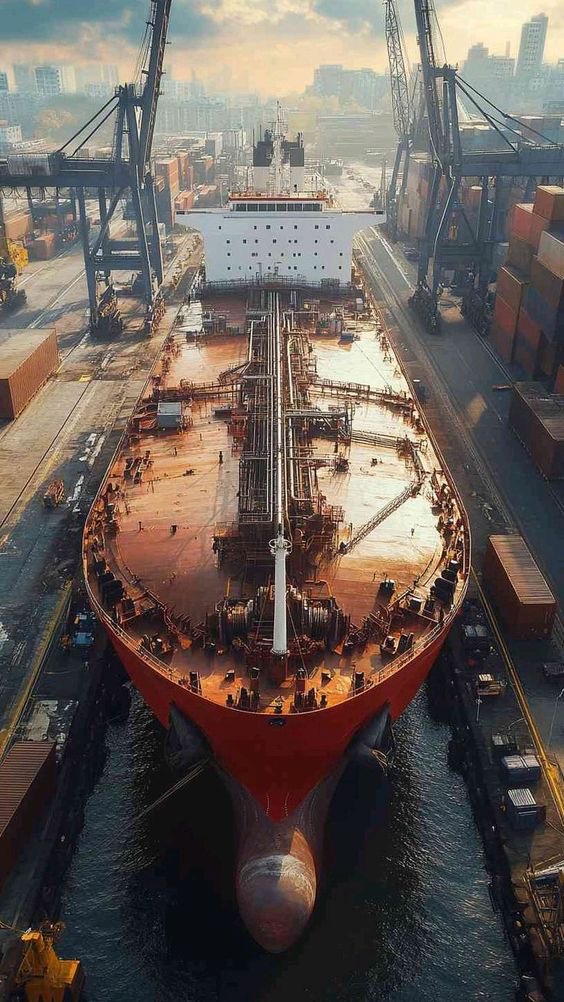
The policy build-out complements shipbuilding assistance and financing reforms to de-risk private investment.
🔟 Strategic Payoff
A bigger domestic orderbook, national line, and green corridors can lower logistics costs, lift maritime jobs, and boost resilience in global trade cycles — aligning with Maritime Amrit Kaal 2047 goals 🇮🇳
🔑 Bottom Line
India is coupling capacity (10 PPP shipyards) with demand (national line) and capability (skills + green/autonomous R&D) — a three-engine strategy to claim a meaningful global shipbuilding share by 2030.

