
A Guardian Awakens from Stone
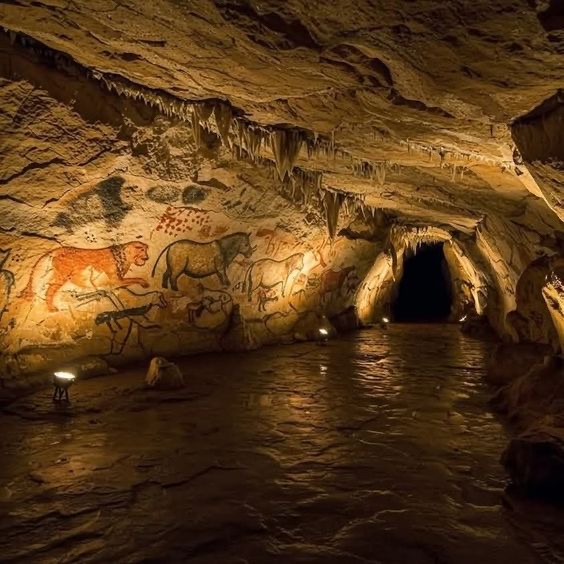
In the rugged coastal lands of Ratnagiri, Maharashtra, an ancient figure carved into rock has resurfaced—12,000 years old and still standing strong. This petroglyph is no ordinary relic. It bears the likeness of a protector, a being etched with uncanny detail: helmeted head, four arms, a circular emblem on its chest, and a stance radiating sheer power. 💪
It feels less like prehistoric art and more like a message—a guardian from the past, watching over us across millennia.
The Protector’s Astonishing Design
Every line on the petroglyph whispers intention. It isn’t random—it’s visionary.
- 🪨 Helmet of Power: Suggesting defense, cosmic might, or warrior status.
- 👐 Four Arms: A timeless Indian motif for strength, divine energy, and control.
- 🔵 Chest Emblem: A circle that could symbolize eternity, cosmic balance, or identity.
- 💪 Mighty Pose: Muscular, commanding, as if lifting the weight of the world.
Archaeologists call it a petroglyph, but its detail hints at something deeper: a glimpse into the imagination of people we thought were only hunters and gatherers.
From Earth’s Embrace to Human Gaze
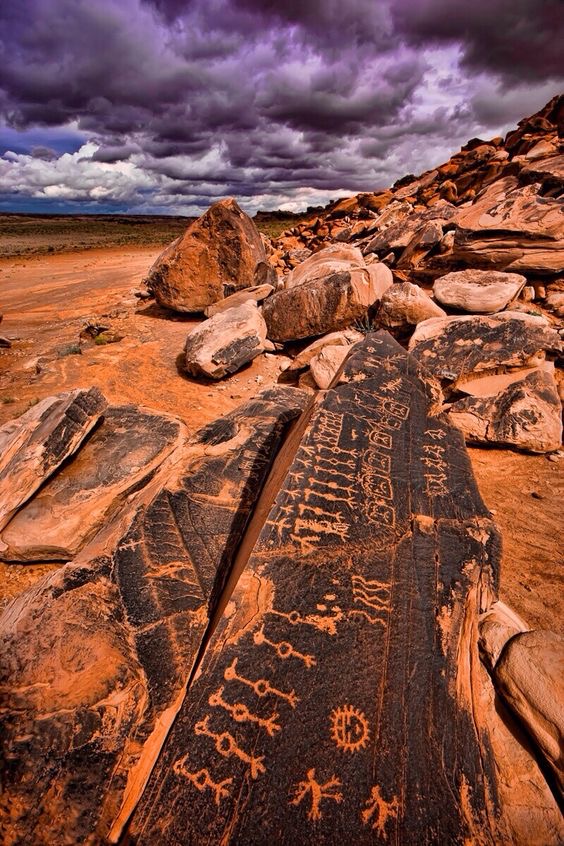
For 12 millennia, this protector lay buried beneath layers of soil, shielded by time itself. When locals unearthed it, the past met the present in a startling reveal.
But with discovery came vulnerability:
- ☀️ Sun and Rain: Slowly eroding the grooves carved by ancient hands.
- 🚶 Tourist Steps: Innocent feet causing irreversible damage.
- 🏛️ Neglect: With little official protection, the guardian stands exposed, alone.
Unlike treasures displayed in museums, this relic lives under the open sky—raw, unguarded, and at risk of vanishing again, but this time forever.
Why the Protector Matters
This isn’t just prehistoric art—it’s a cultural beacon. It shows that 12,000 years ago, humans already had myths, imagination, and a vision of larger-than-life protectors. It challenges our perception of ancient societies as “primitive.” They were dreamers, creators, storytellers.
To let this figure fade is to silence a voice that has spoken to us across time. Local voices are calling for it to be covered again until proper conservation is possible—a rare case where burying history may save it.
Closing Thought
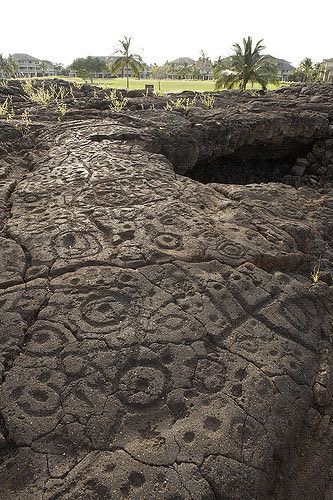
The Ratnagiri petroglyph is not just a relic—it’s a guardian in stone, a reminder that even in humanity’s earliest days, we carved protectors to watch over us. The question is—will we now protect the protector?

