
India is exploring a major cross-border electricity corridor that could connect Northeast India to Singapore, opening a new chapter in regional energy cooperation.
⚡ A 2,000 MW Electricity Bridge Across Five Countries
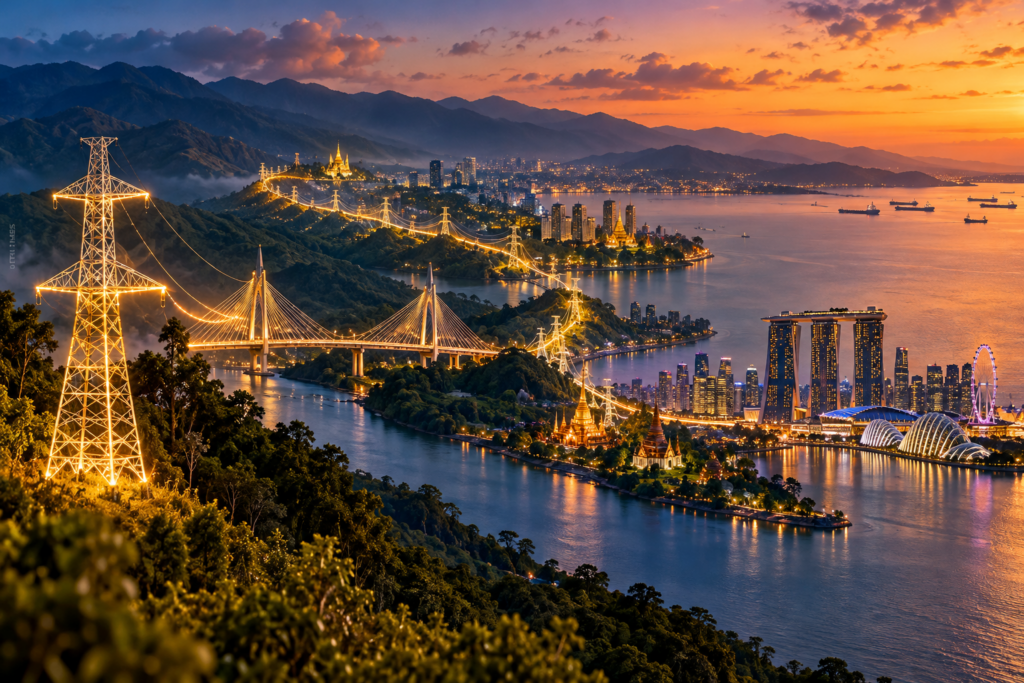
India and Singapore are exploring a proposed 2,000-megawatt (MW) cross-border power interconnection, with a land-based transmission corridor of approximately 3,000 kilometres under consideration. The proposed route would begin in Imphal, Manipur, and pass through Myanmar, Thailand and Malaysia before reaching Singapore. The proposal was highlighted by Union Minister of State for Power and New and Renewable Energy Shripad Yesso Naik during the East Asia Summit Energy Ministers’ Meeting in Manila on October 8, 2026.
If implemented, the corridor could transform electricity from a nationally managed resource into a more interconnected regional commodity, enabling participating countries to explore opportunities for power exchange across borders.
🌏 ASEAN Power Grid: The Bigger Vision

The proposal aligns with the broader ASEAN Power Grid (APG) initiative, which aims to strengthen electricity connectivity among Southeast Asian nations. Regional interconnections can help countries exchange surplus electricity, improve supply reliability and make better use of different energy resources.
🔹 For India: The project could deepen energy cooperation with Southeast Asia and create new opportunities for its power sector.
🔹 For Singapore: Imported electricity could help diversify energy supplies as the city-state pursues its clean-energy ambitions.
🔹 For transit countries: Myanmar, Thailand and Malaysia would be central to the proposed route, making cross-border coordination essential.
🔋 Can the Corridor Accelerate Clean Energy?
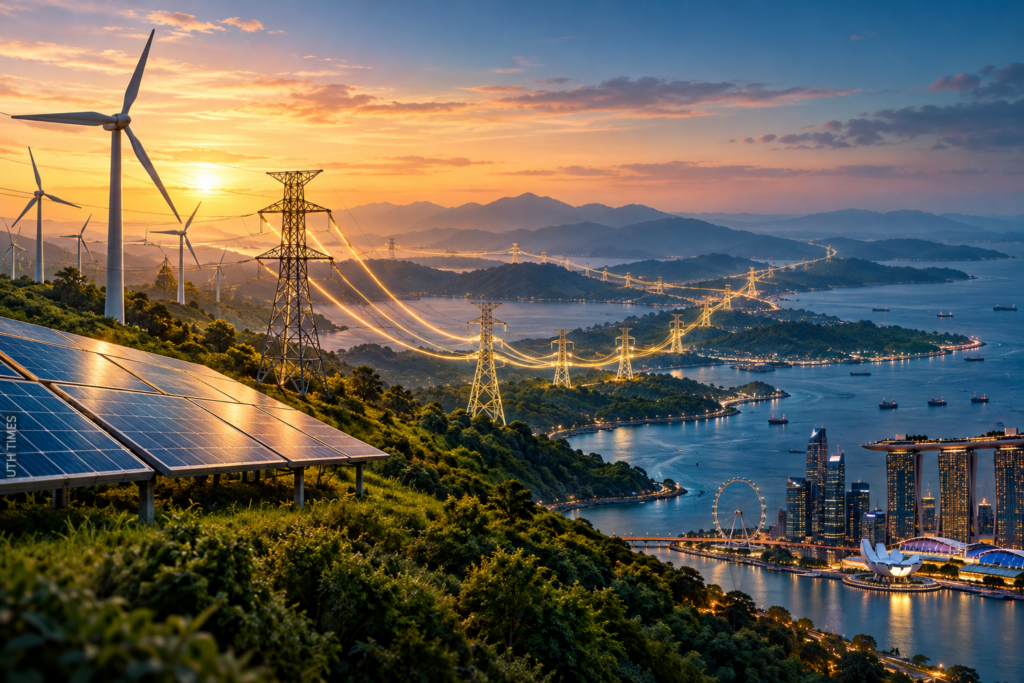
India has developed substantial renewable-energy capacity and experience in grid integration, transmission planning and energy storage. During the ministerial meeting, Naik expressed India’s willingness to share expertise in renewable energy deployment, battery storage, green hydrogen and related clean technologies.
A regional transmission link could potentially make it easier to exchange electricity generated from different sources, including renewable energy, subject to available capacity, grid compatibility and commercial arrangements.
However, the corridor’s benefits will depend on how electricity is generated, transmitted, priced and distributed across participating countries.
🚧 The Challenges Behind the Ambition
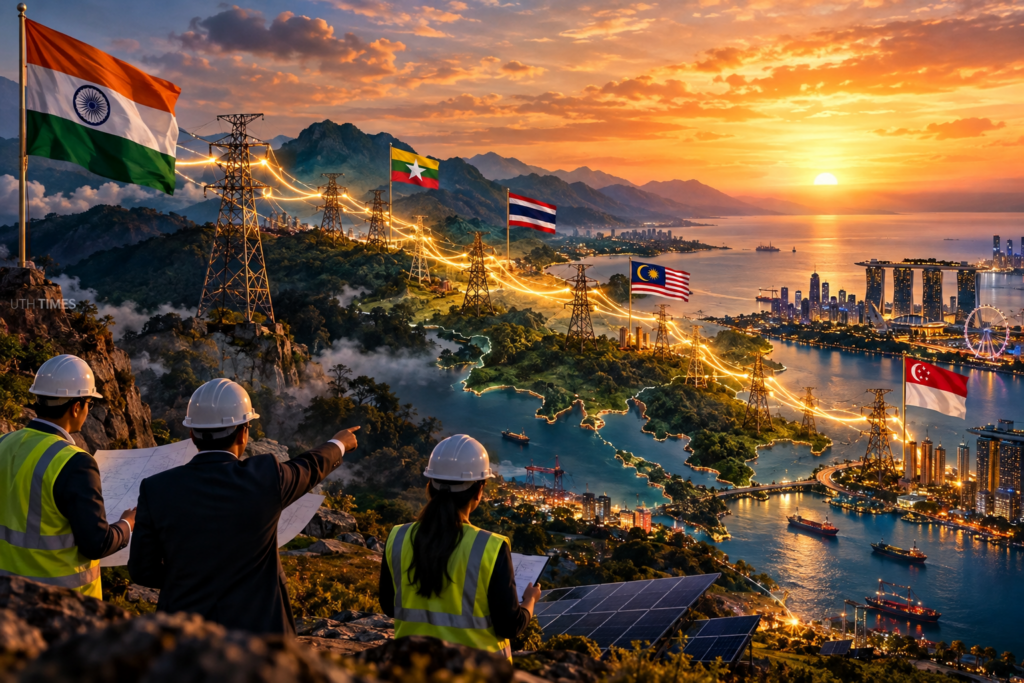
A 3,000-km international power corridor would require substantial technical planning and cooperation among multiple governments. Transmission infrastructure, financing, electricity-trading agreements, grid synchronisation and cross-border regulations would all need careful consideration.
Political and security conditions along the proposed route could also influence project feasibility. Importantly, the corridor remains under consideration; a confirmed construction schedule, project cost and commissioning date have not been established in the cited announcement.
🔌 A New Chapter in Asian Energy Cooperation

The proposed India–Singapore link represents an ambitious vision for connecting national power systems across South and Southeast Asia. If developed successfully, it could strengthen electricity trade, diversify supply options and support regional clean-energy cooperation.
The real milestone will be turning this 3,000-km vision into a reliable, affordable and operational power connection.

