
India’s critical-mineral ambitions have received a significant boost with the reported identification of mineral deposits in Purulia, West Bengal. The discoveries bring strategically important resources into focus as the country works to strengthen its domestic mineral supply chain.
Rare Minerals, Strategic Importance
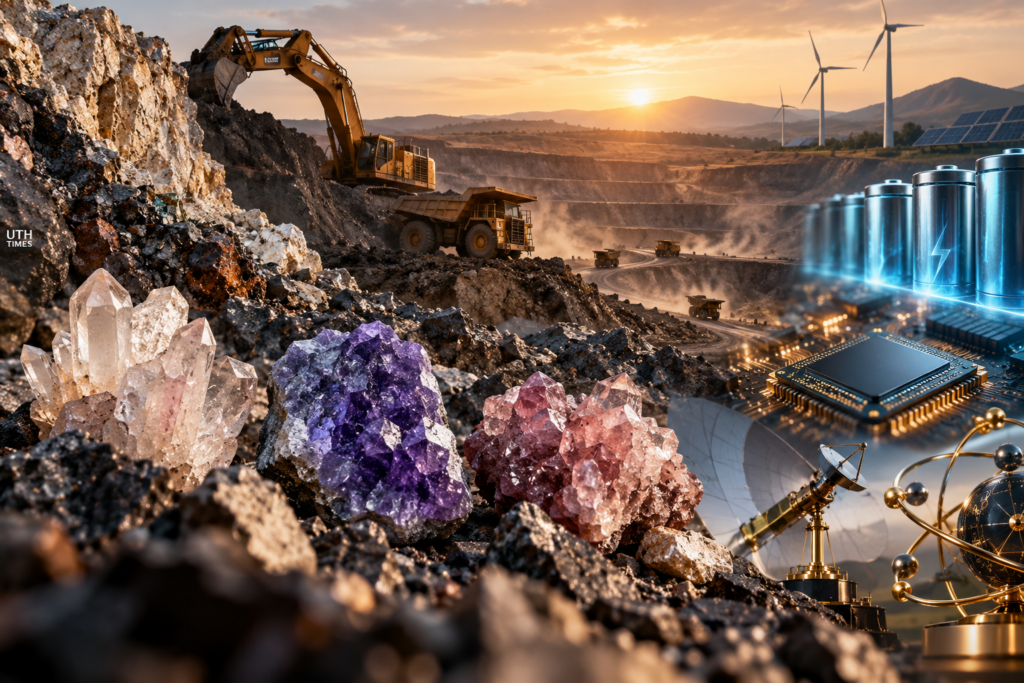
The discovery is significant because it involves minerals that support advanced industries, including energy storage, electronics and high-technology manufacturing. Caesium, lithium and rubidium are critical minerals, while the Kalapathar–Raghudih deposit is described separately as a rare-earth resource.
The Jhalda-II block in Purulia has been reported to contain approximately 1.78 lakh tonnes of ore bearing caesium, lithium and rubidium. Reported grades are around 0.4% caesium, 0.3% lithium and 0.1% rubidium, with total metallic content estimated at approximately 0.8%.
- 🔋 Lithium: A strategically important material for rechargeable batteries and energy-storage technologies.
- ⚙️ Rubidium: Used in specialised scientific, electronic and high-technology applications.
- 🧪 Caesium: Valuable for specialised industrial and scientific uses, including precision timing technologies.
The reported quantities refer to identified ore and estimated metal content, not automatically to commercially recoverable reserves. Actual production potential would depend on further geological assessment, mineral processing and economic feasibility.
Kalapathar–Raghudih: A Larger Rare-Earth Resource
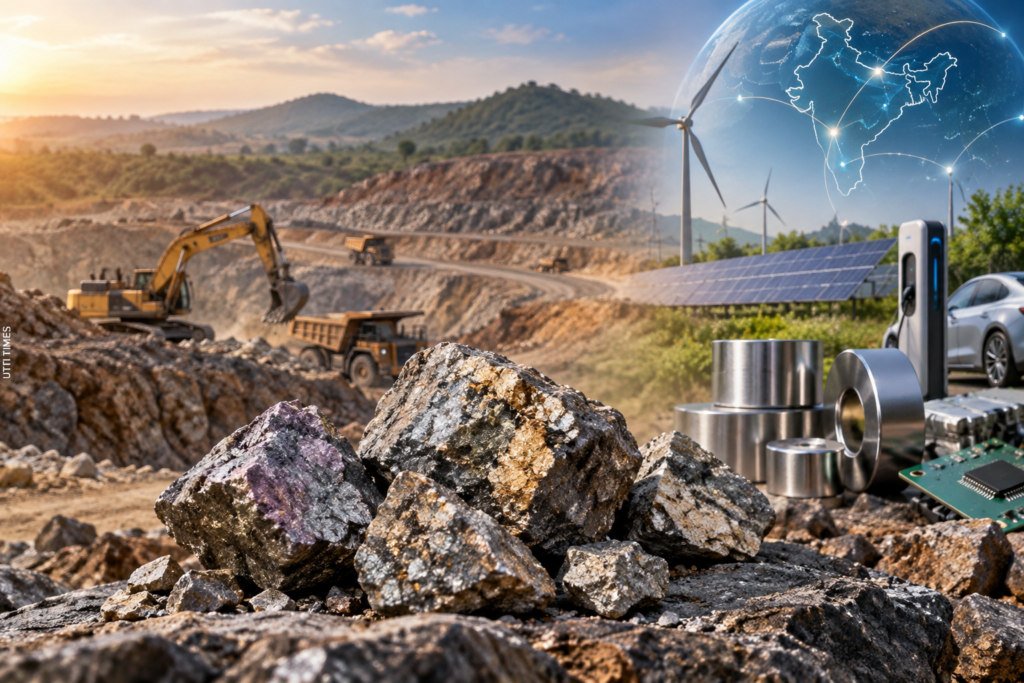
A separate discovery in the Kalapathar–Raghudih block has been estimated at 0.67 million tonnes of rare-earth resources, with a reported grade of 0.19% total rare earth elements at a 0.1% cut-off. The resource is classified at UNFC G3, indicating an earlier stage of geological confidence than more advanced exploration categories.
- 🌍 The deposit adds to the growing geological understanding of Purulia’s mineral potential.
- 🏭 Rare-earth resources are relevant to technologies such as permanent magnets, electronics and clean-energy equipment.
- 📊 The reported tonnage is a geological resource estimate, not a guarantee of mineable reserves or future production.
Why This Matters for India’s Supply Chain
India’s critical-mineral strategy focuses on reducing vulnerabilities in the supply of materials needed for modern industry. Domestic discoveries can support exploration, processing capacity and future industrial development, although mining a deposit is only one part of building a reliable supply chain.
- 🇮🇳 Strategic resources: Domestic mineral development can expand India’s resource base for important industrial materials.
- 🔬 Technology and processing: The long-term value of these discoveries depends on converting geological resources into usable, commercially viable materials.
- 🚆 Infrastructure: Reported proximity to transport networks may support future project planning, but infrastructure access alone does not establish profitability.
From Discovery to Auction
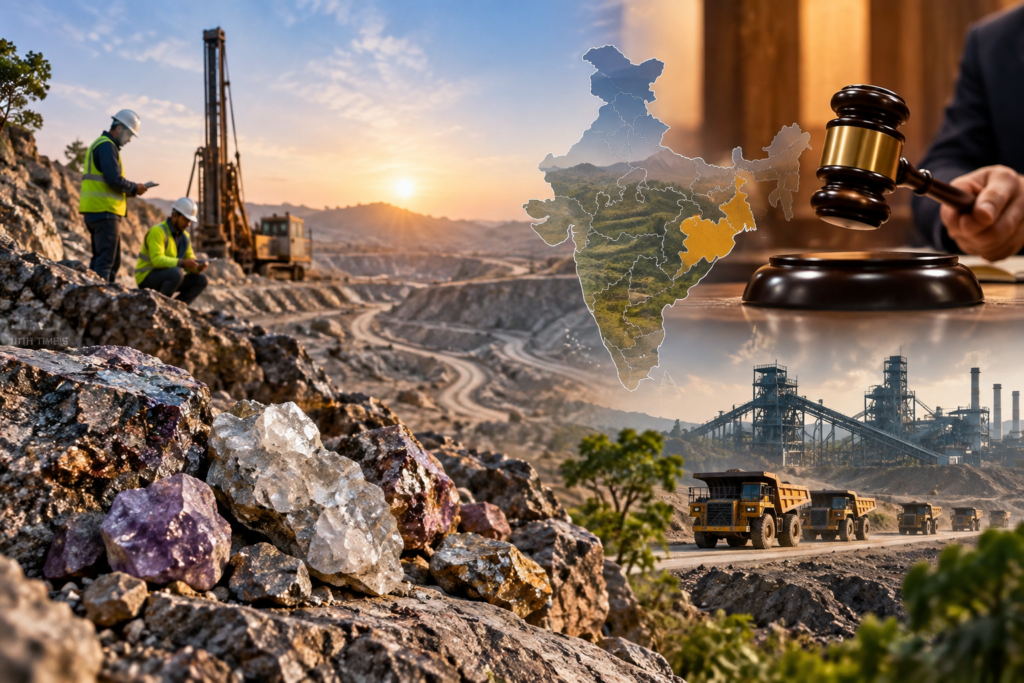
The Centre has identified the Jhalda-II block for auction, while the Kalapathar–Raghudih resource remains part of the broader exploration and development picture. Government geological exploration in West Bengal has also covered Purulia, Bankura and Darjeeling, reflecting wider interest in the region’s mineral potential.
The next phase will involve technical evaluation, regulatory processes and determining whether the deposits can be developed economically and responsibly. The discovery is an important geological development—but its industrial impact will ultimately depend on what happens after exploration.

