
1. Economic Growth & Investment Magnet
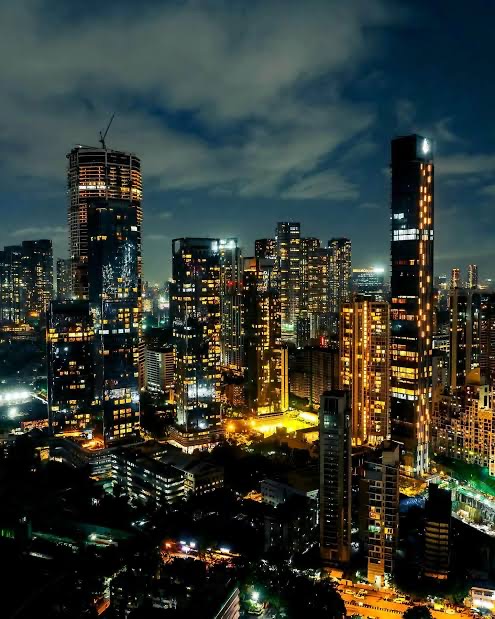
World-class infrastructure attracts global and domestic investments. Companies prefer cities with reliable power, transport, and digital infra, leading to higher GDP contribution and job creation.
2. Rising Standard of Living
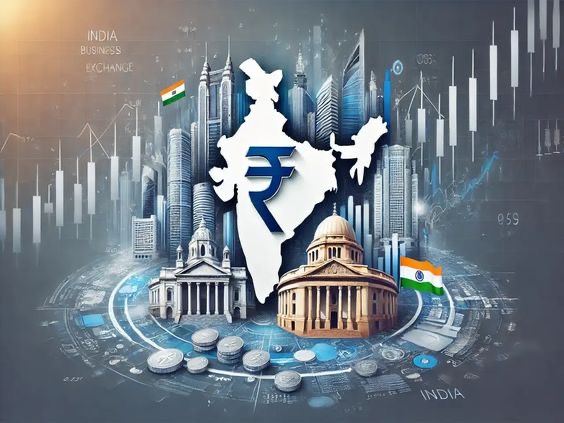
Better infrastructure means cleaner water, efficient waste management, smooth public transport, and safer roads — directly improving the quality of life of citizens.
3. Global Competitiveness
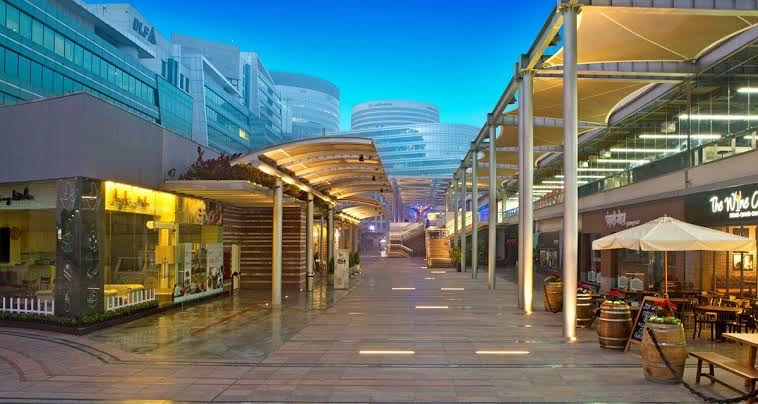
Cities with top-notch infra become global hubs like Singapore, Dubai, or New York. They draw talent, entrepreneurs, and capital, positioning the nation as a competitive economy.
4. Social Mobility
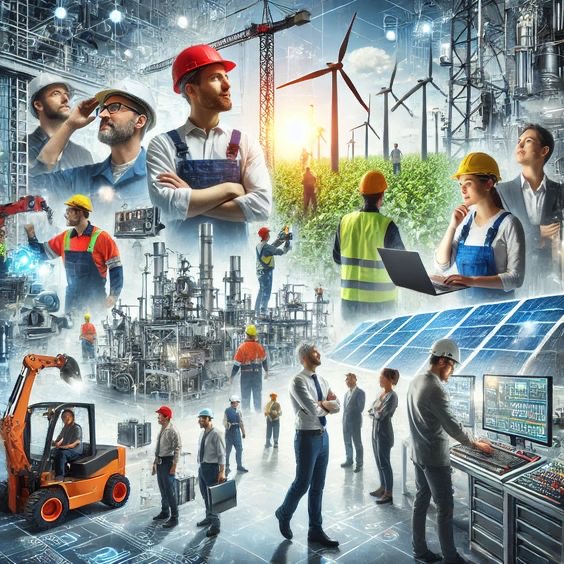
Efficient infrastructure — metros, schools, healthcare, housing — helps the poor and middle class climb the ladder by accessing opportunities faster and more affordably.
5. Decongestion & Efficiency
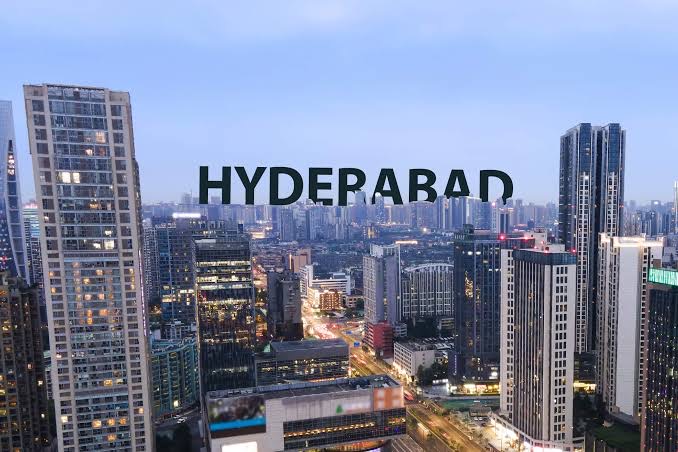
Good transport networks reduce travel time, traffic jams, and pollution. Time saved translates into higher productivity and better work-life balance.
6. Sustainability & Climate Resilience

Modern infra integrates renewable energy, smart grids, green buildings, and flood management systems — making cities resilient against climate change and disasters.
7. Tourism & Soft Power
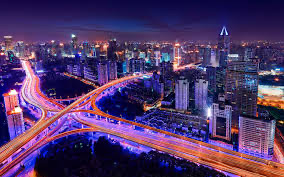
World-class airports, cultural hubs, and heritage preservation attract tourists. Tourism boosts service industries, foreign exchange inflows, and international image.
8. Innovation & Knowledge Economy

Tech parks, research clusters, digital infra, and world-class universities thrive in well-planned cities. This sparks innovation ecosystems (like Silicon Valley or Bengaluru).
9. Urban Governance & Safety
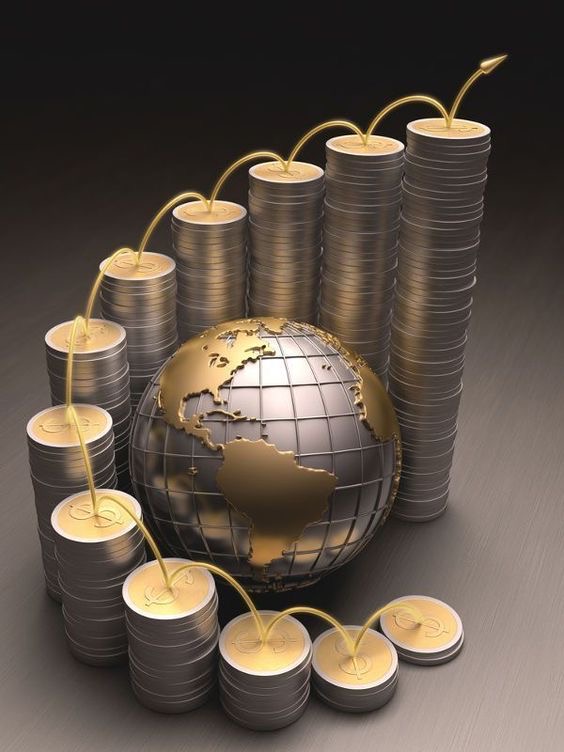
Smart infrastructure with surveillance, emergency services, and disaster-response systems ensures security, order, and better governance for millions.
10. National Prestige & Future Readiness

Iconic cities become symbols of a nation’s rise. A country is judged by its cities — their skyline, mobility, and liveability — which also inspire future generations to aim higher.

