
Imagine this.
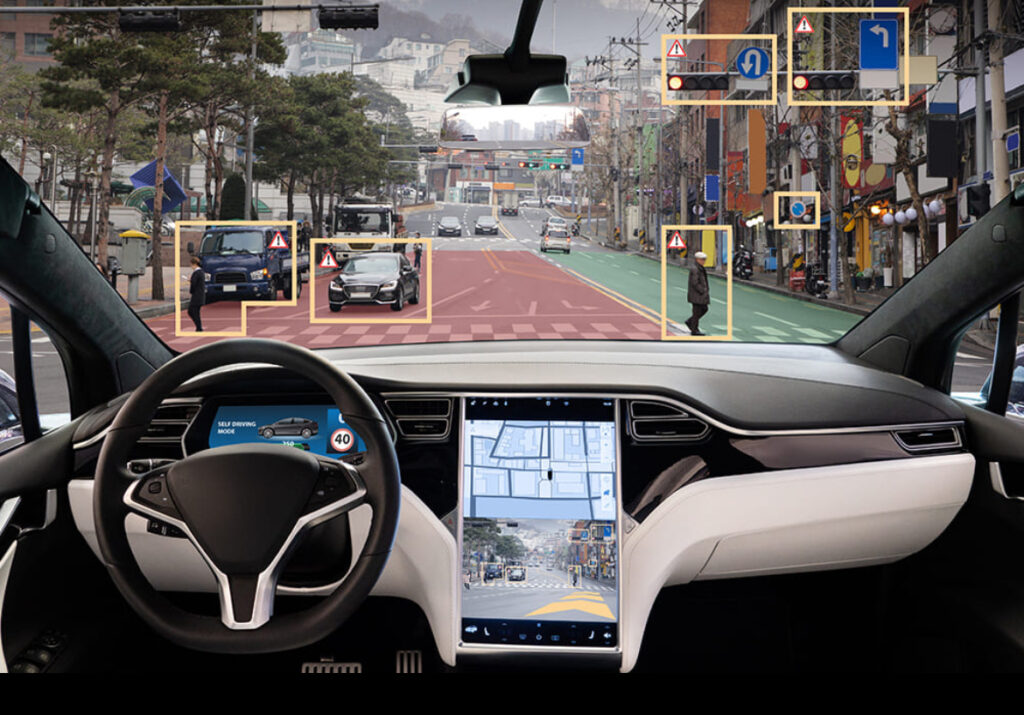
You see a stop sign. Then a truck blocks your view. Thirty seconds later — you still remember the sign is there. That’s easy for humans.

For AI?
That’s incredibly hard.
And this is exactly the problem Tesla just solved.
In a newly revealed patent, Tesla has quietly unlocked what many engineers are calling a “mathematical cheat code” — a way to make cheap, low-power chips think like elite supercomputers.
Normally, advanced AI needs powerful 32-bit processors.
These chips are accurate, but they are also:
- Expensive
- Hot
- Energy-hungry
That’s fine inside data centers —but terrible inside cars and humanoid robots running on batteries.
So Tesla asked a different question:
What if the chip didn’t need to be powerful —only smart?
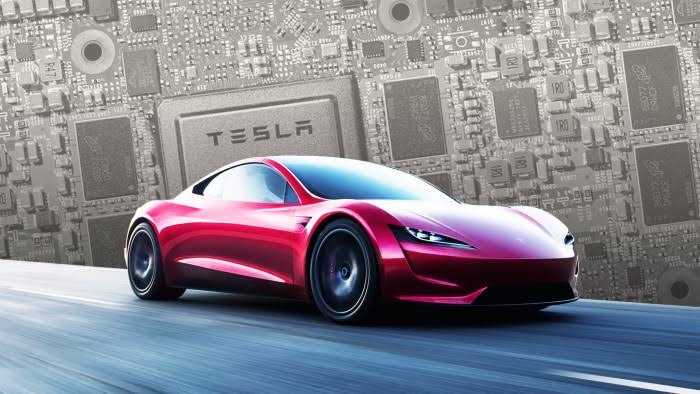
Instead of forcing heavy calculations everywhere, Tesla compresses critical AI math into a lightweight form — like dehydrating food before travel.
The information stays intact,
but becomes easier to move and cheaper to process.
When full accuracy is needed, Tesla’s system reconstructs it instantly using clever shortcuts.
The result?
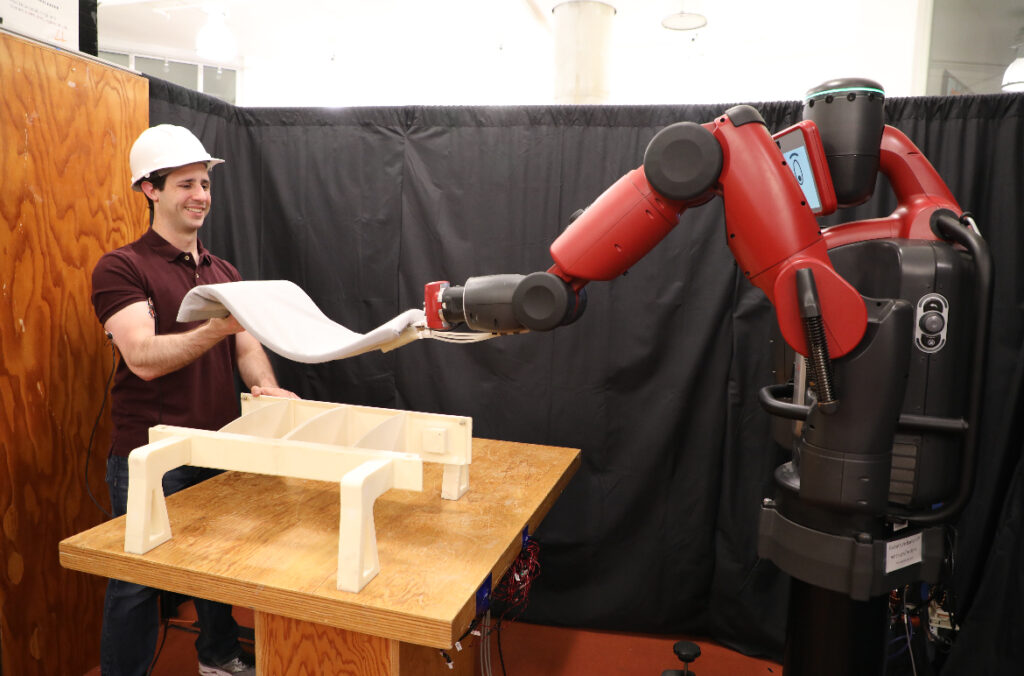
Tiny 8-bit hardware behaving with 32-bit intelligence.
This allows Tesla cars to remember objects even when they disappear from view:
- A stop sign hidden by traffic
- A pedestrian behind a bus
- A cyclist momentarily blocked
The object doesn’t “vanish” from the car’s mind.
It stays pinned in a 3D mental map.
For Tesla’s humanoid robot Optimus, the impact is even bigger.
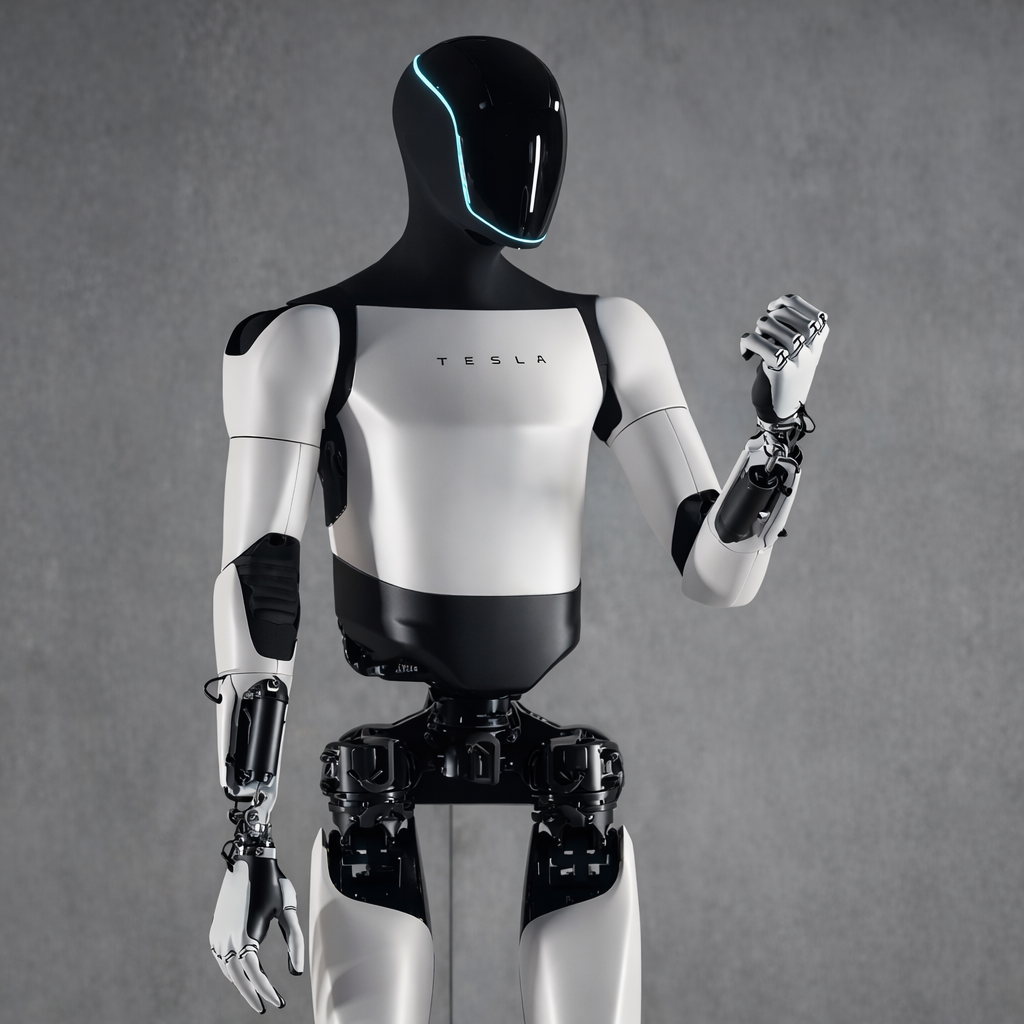
Maintaining balance while lifting shifting weight requires extreme precision.
Small math errors mean falling.
Tesla’s solution keeps spatial awareness razor-sharp —
without draining the battery.
What normally takes 500 watts of computing power
now runs under 100 watts.
This isn’t just about performance.
It’s about freedom.
By embedding intelligence directly into efficient silicon, Tesla reduces dependence on massive GPUs and cloud systems.
It opens the door to powerful AI running locally —in cars, robots, and eventually everyday devices.
In short, Tesla isn’t just building smarter machines.
They’re rewriting the rules of how intelligence lives inside silicon.

