
Göbekli Tepe: Humanity’s Stone Enigma 🪨
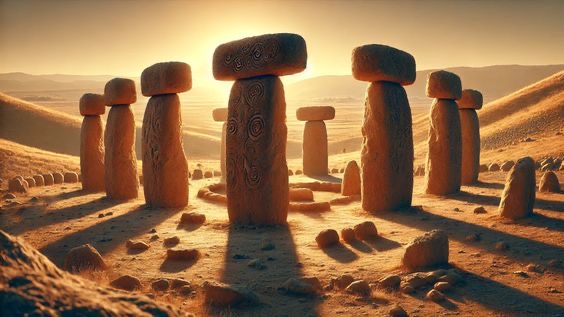
Göbekli Tepe, hidden in southeastern Turkey’s hills, is not just another archaeological site—it’s a monumental puzzle of human ingenuity. Over 12,000 years ago, hunter-gatherers raised massive T-shaped limestone pillars, some weighing up to 20 tons, without wheels or metal tools. Every pillar is intricately carved with animals, symbols, and abstract motifs, hinting at a level of sophistication long before agriculture or written language existed.
🪓 Carving Giants Without Metal
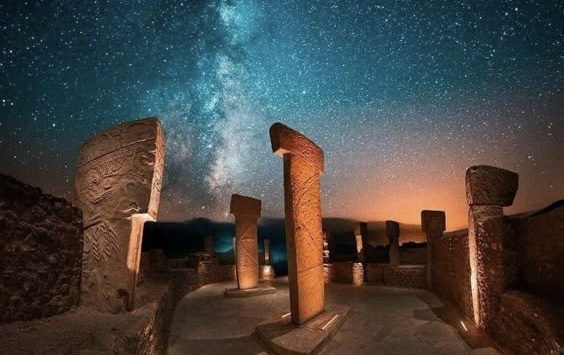
Picture shaping colossal stones using only flint tools. Each line and carving, from vultures to snakes, demanded precision, patience, and an intimate understanding of stone properties. These carvings were more than decoration—they were likely symbolic, perhaps early forms of communication or ritual expression. The artistry challenges our assumptions about prehistoric humans’ capabilities and reveals a society driven by creativity and spiritual thought.
🚚 Moving Mountains: How They Did It
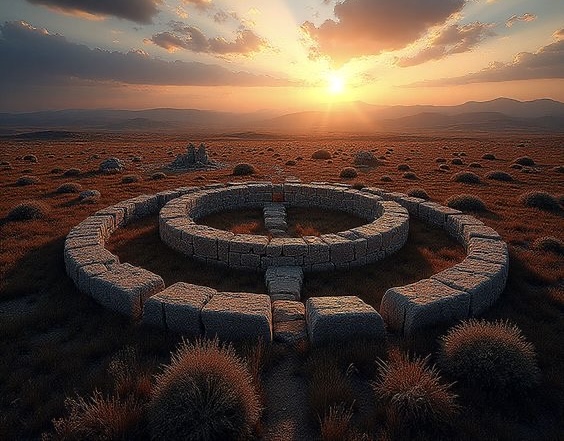
Transporting multi-ton stones seems impossible without modern machinery, yet evidence suggests wooden sledges, rollers, ramps, and hundreds of coordinated hands made it feasible. This was human engineering at its most audacious—proof that even in prehistory, collective effort and clever solutions could achieve monumental results. There’s no need to invoke aliens; the ingenuity of these early people speaks for itself.
🌌 Ritual or Astronomy? The Debate
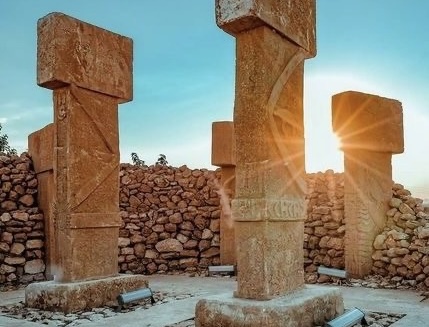
Göbekli Tepe’s purpose remains debated. Some experts see it as a temple for sacred gatherings, while others argue its alignment with celestial events points to early astronomical knowledge. Perhaps it was both—a place where humans looked to the skies, recorded patterns, and performed rituals connecting them to the cosmos. Its very design suggests a deep, symbolic understanding of the universe.
🔮 Beyond Time: Legacy of Göbekli Tepe
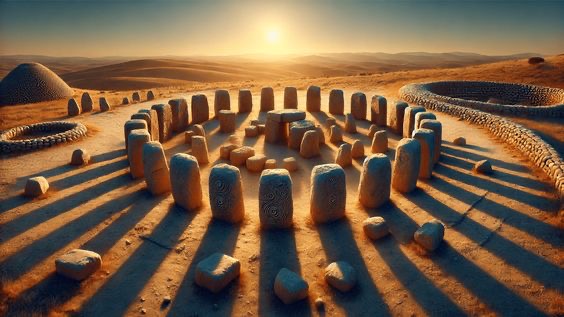
Göbekli Tepe rewrites human history. Long before cities or agriculture, humans demonstrated extraordinary creativity, collaboration, and spiritual depth. These stone pillars are more than monuments—they are a testament to humanity’s curiosity, ambition, and desire to leave an enduring mark on the world.

