
🌌 Humanity’s Boldest Blueprint Yet
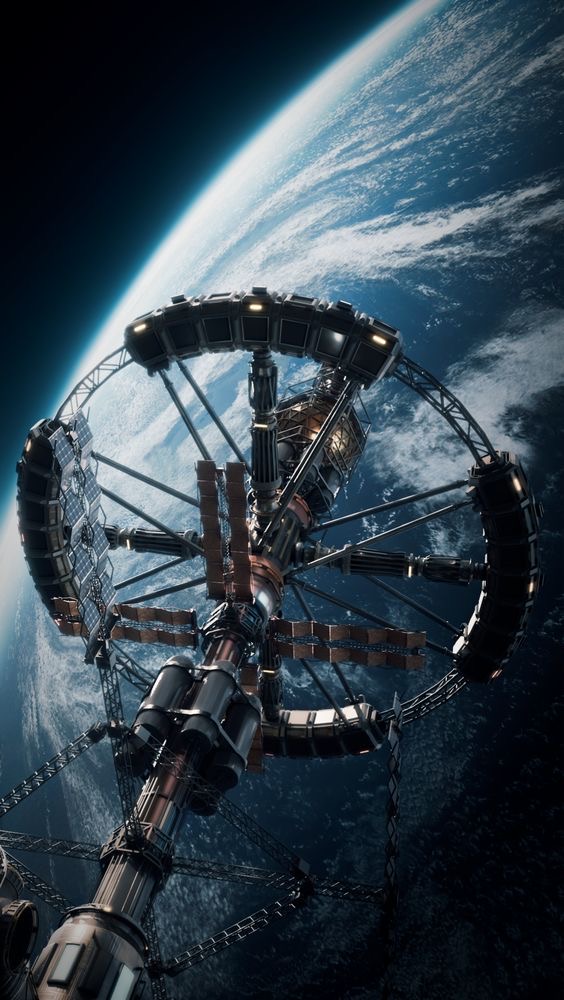
For as long as we’ve looked to the skies, one question has haunted us: Can we ever leave Earth behind? Now, a team of engineers believes the answer may lie in Chrysalis—a starship designed not for exploration missions or return trips, but for a one-way, multigenerational journey to our closest stellar neighbor, Proxima Centauri b.
🚀 Chrysalis: A World Within a Ship
Unlike any vessel imagined before, Chrysalis is less spacecraft and more floating world. Stretching 36 miles (58 km), it uses continuous rotation to mimic gravity, ensuring human bodies can thrive for centuries in space.
Its layered, “Russian-doll” design is a marvel of planning:
- 🌱 Farms & Food Production Zones — sustaining generations with fresh crops.
- 🏘 Residential Quarters — compact but livable homes for thousands.
- 🏭 Industry & Warehousing Levels — ensuring self-sufficiency in tools, goods, and repairs.
- 🛰 Central Core — hosting shuttles, communication systems, and vital control hubs.
This modular layout transforms Chrysalis into a self-sustaining ecosystem, capable of nurturing a human community for 400 years of uninterrupted travel.
👨👩👧 Life Aboard: Building a Space Society

The challenge isn’t just technological—it’s human. How do you keep a society stable for centuries?
Designers estimate a core population of 1,500, with room for up to 2,400 in emergencies. Births would be planned carefully to balance resources. Meanwhile:
- 🤖 AI-assisted governance would help maintain fairness and resolve conflicts.
- 📚 Generational knowledge transfer ensures culture, science, and history are never lost.
- 🎭 Communal and cultural spaces preserve creativity, identity, and mental well-being.
Inhabitants would not merely survive—they would live entire lives, raising children who may never see Earth, but who would carry the flame of human civilization into another star system.
⚡ Fueling the Impossible: The Fusion Frontier
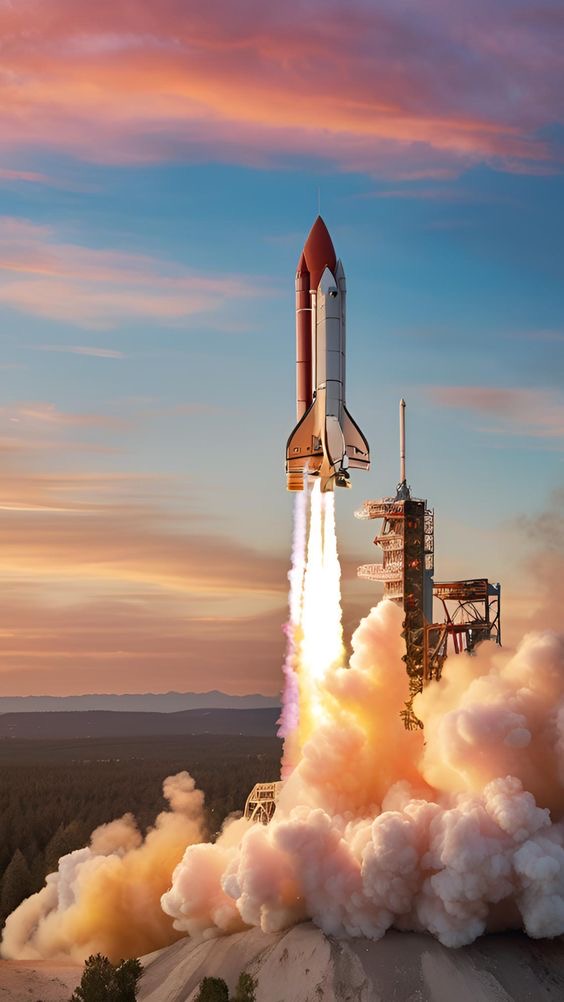
Powering such a journey demands technology beyond today’s reach. Chrysalis depends on nuclear fusion reactors, which, if perfected, could provide centuries of clean, endless energy. Until fusion becomes a reality, Chrysalis remains a dream suspended in blueprints.
🧊 Earthly Training Ground: Antarctica as a Test Lab
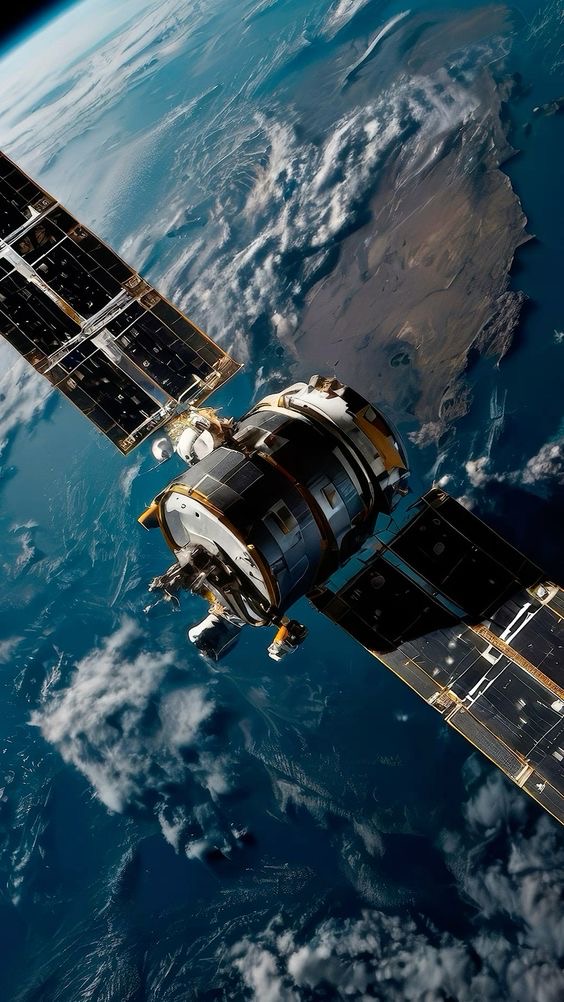
Before the launch, future pioneers would train in Antarctica, enduring 70–80 years of extreme isolation to simulate the psychological, social, and environmental hardships of deep space. Meanwhile, constructing Chrysalis itself could take 20–25 years—a feat of megastructure engineering never attempted before.
🌠 A Hypothetical, Yet Inspiring Future
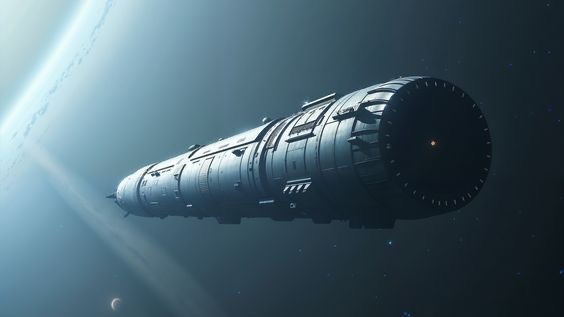
Chrysalis isn’t a project ready for launch. It’s a conceptual experiment, born to test how humanity might govern, survive, and thrive in interstellar space. Even if it never flies, it forces us to imagine life beyond Earth—and challenges us to prepare for it.
✨ Final Thought
Chrysalis reminds us of a timeless truth: humanity’s greatest journey may not be about reaching the stars, but about carrying our humanity itself across the vast silence between them.

