
🔱 A Month Like No Other: The Essence of Sawan

In Hinduism, no month carries the mystical weight and cosmic intensity of Sawan (Shravan)—the monsoon-soaked time when the veil between the human and divine feels paper-thin. And according to the Shiva Purana, this is not just a coincidence—it’s divine orchestration.
It is during this time that Lord Shiva is most active, most accessible, and most powerful. The scriptures declare Sawan to be the month when even the gods perform tapasya (austerities) in His honor.
“Shravanam Shivapriyo Maasaḥ” — Shravan is the month dearest to Shiva.
📜 Shiva Purana’s Verdict: Why Sawan Belongs to Mahadev
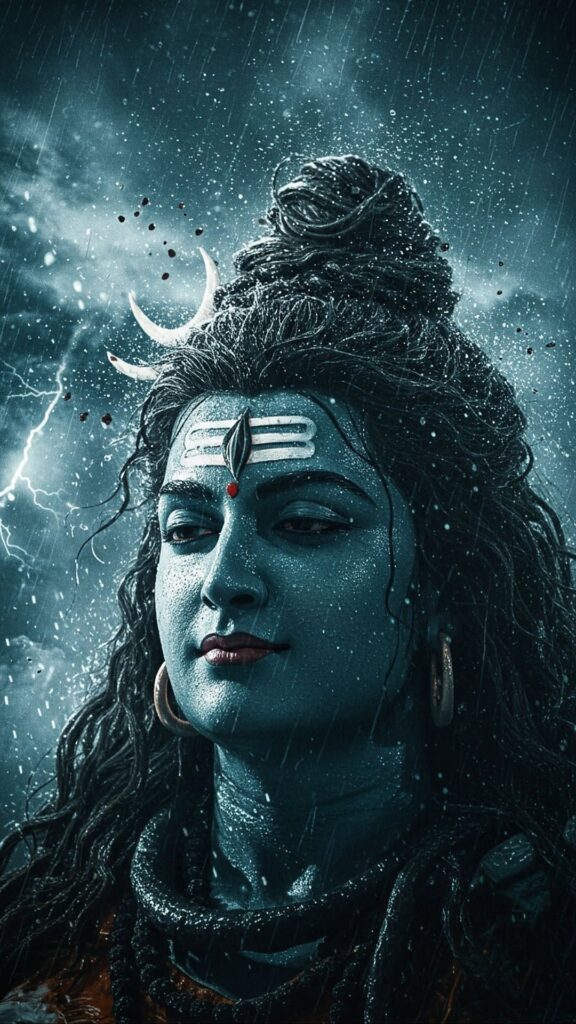
The Shiva Purana, one of the 18 Mahapuranas dedicated to Lord Shiva, reveals that Sawan is the divine calendar’s peak point of spiritual energy. Here’s why:
🌿 🕉️ Descent of the Ganga – It was in Shravan that Ganga descended to earth, only after Shiva agreed to hold her in His matted locks, preventing her cosmic force from destroying the planet. Every drop of rain in Sawan is believed to carry a blessing of that same celestial Ganga.
🔥 🌙 Samudra Manthan Aftermath – During the churning of the cosmic ocean, it was in Sawan that Shiva consumed the deadly poison (Halahala) to save all creation. This act of self-sacrifice is commemorated through fasting and water offerings during this month.
🔱 🙏 The Tapasya of Parvati – It was in Sawan that Goddess Parvati undertook intense penance to win Shiva as her consort. Today, Sawan Somvar (Mondays) are observed especially by women, in devotion to this divine love and union.
🧿 Sawan and the Celestial Rhythm of the Cosmos

According to the Shiva Purana, the energy fields of the earth change in Sawan. The alignment of planetary forces makes this month ideal for inner transformation. The rains, symbolic of the descent of Ganga, are believed to cleanse not just the soil, but the soul. Each lightning flash is a call to awaken; each thunderclap echoes Shiva’s damaru, stirring dormant energies in both nature and the self.
Sawan is also seen as a karmic reset point. Devotees believe that those who sincerely pray to Shiva in this month, even for a moment, receive blessings equivalent to years of penance. The act of Jalabhishek (offering water) is described in the Shiva Purana as a direct dialogue with the divine—a symbolic surrender of ego into Shiva’s timeless stillness.
💧Why Rituals in Sawan Hold Amplified Power

According to the Shiva Purana, rituals done in Sawan bear multiplied fruits. Water poured over the Shiva Linga is not just a symbolic act—it is an offering echoing the ancient pouring of Ganga upon His head, cooling the fiery energy of the Halahala still contained in His throat.
💠 🕯️ Monday Fasts (Sawan Somvar)
- Observed to please Shiva
- Brings marital bliss, peace, and spiritual grace
- Even celestial beings are said to fast during Shravan
💠 🌺 Bilva Leaves, Milk, and Mantras
- Each offering in Sawan reflects aspects of Shiva’s mythic past
- The Shiva Purana explains how each item calms His volatile yet benevolent energy
In Sawan, every ritual is a return to myth, every mantra is history reborn.
🌌 Walk Gently—You’re Walking in Shiva’s Time
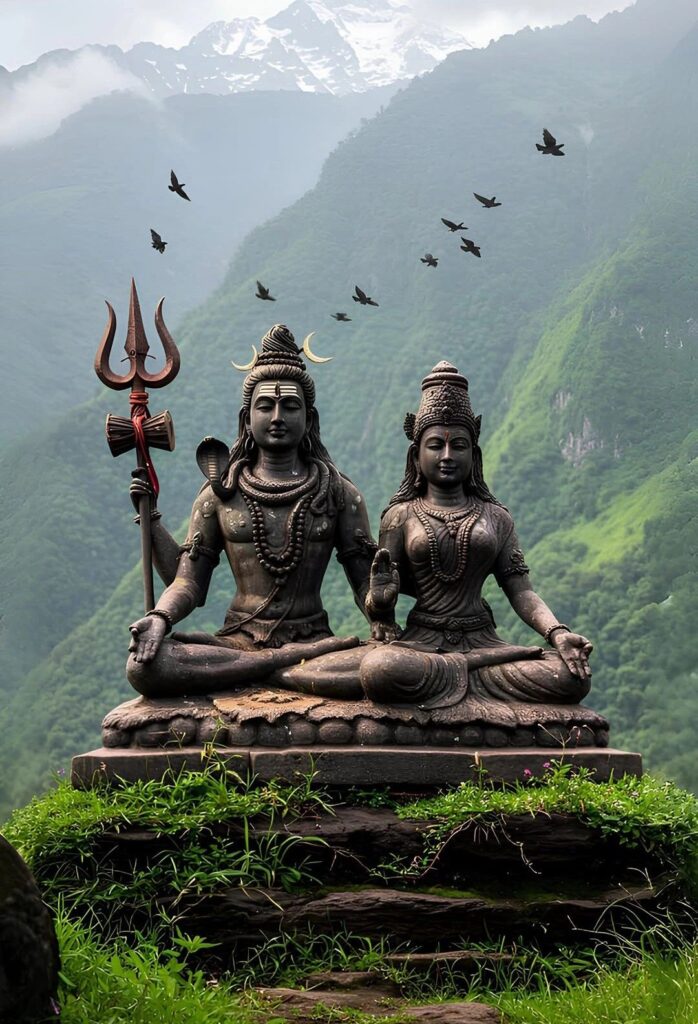
Sawan is not just about tradition—it’s a living echo of cosmic history. According to the Shiva Purana, this month is a portal where devotion meets divinity, and time bows before Lord Shiva.
🌧️ So when the rains fall, remember—Mahadev is listening.
🌙 Offer your prayers, chant His name, and walk this month as if you are being watched by the eyes of eternity.

