
Bollywood has produced stars, rebels, and icons—but only a handful of actors have carried the moral anxieties of an entire era on their shoulders. Sanjay Dutt belongs to that rare category. His cinematic journey is not a sequence of roles; it is a slow-burning moral narrative that has unfolded across decades. When he appears as SP Chaudhary in Dhurandhar, it feels less like a performance and more like the inevitable destination of a career shaped by conflict, consequence, and conscience.
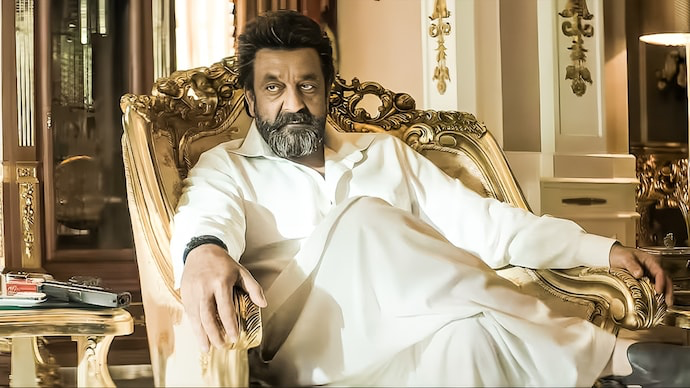
In his early years, Sanjay Dutt’s screen presence was defined by brute force and emotional turbulence. He played men who were physically dominant yet morally untethered—characters driven by instinct rather than ideology. These performances were not polished, but they were revealing. They established Dutt as an embodiment of raw masculinity, power without reflection, mirroring a phase in Hindi cinema that valued strength over introspection. The absence of moral clarity in these roles was not a flaw; it was a precursor.
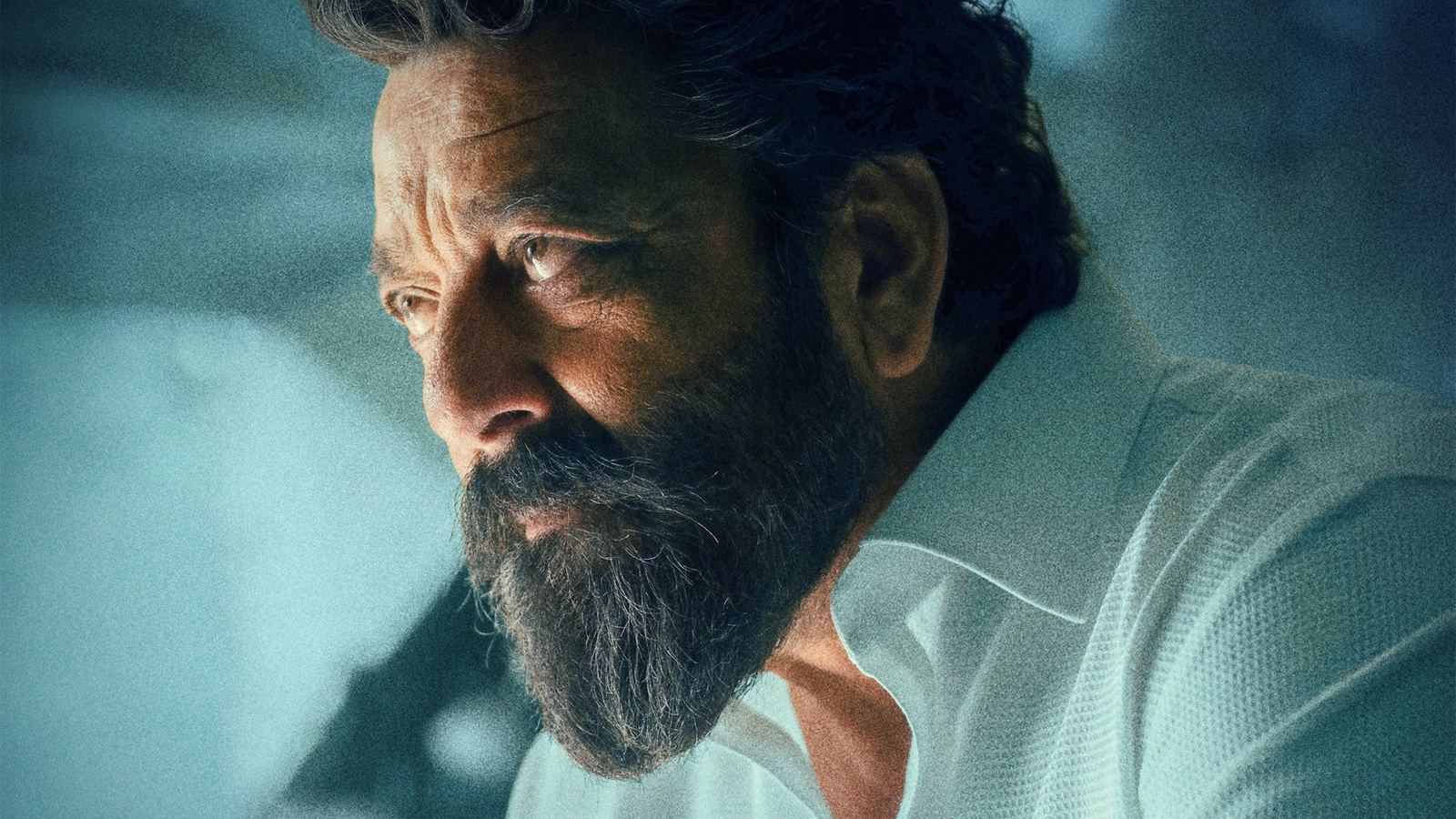
That precursor matured into something far darker during his gangster phase. Films such as Khalnayak and Vaastav transformed Sanjay Dutt into Bollywood’s most authentic carrier of moral contradiction.
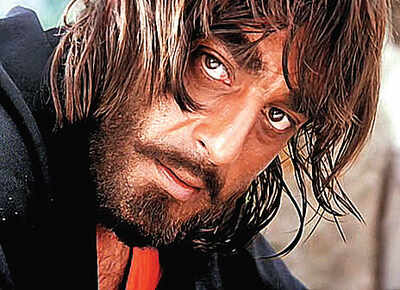
His criminals were not cinematic fantasies; they were social outcomes. Violence in these films was never celebratory—it was inevitable, suffocating, and tragic. Dutt’s performances captured men who understood their own moral decay but lacked the tools to escape it.
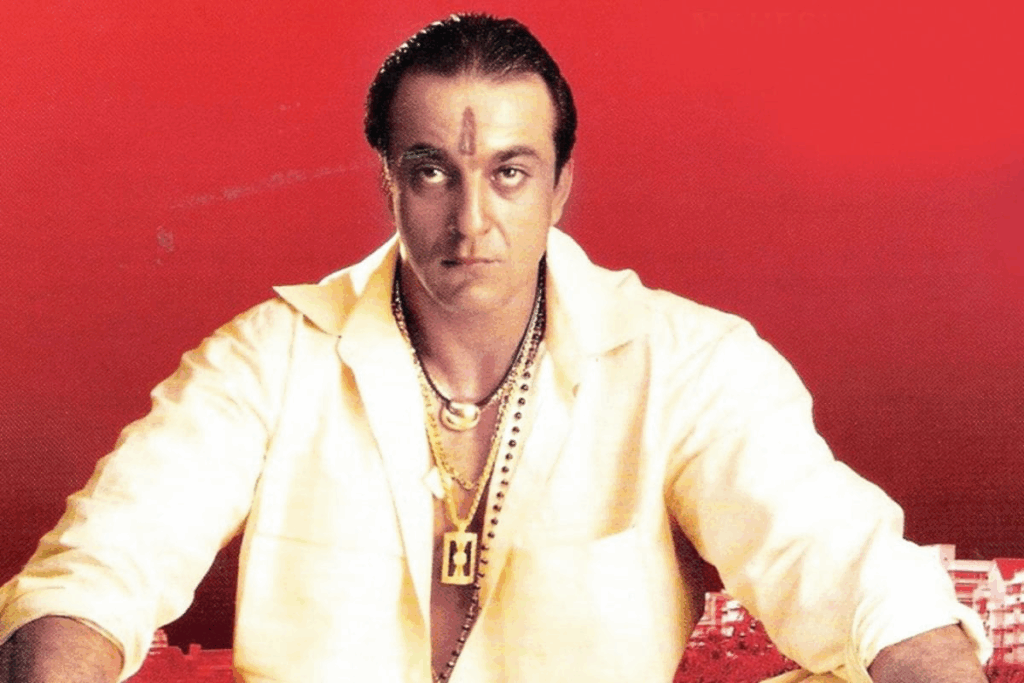
In doing so, he turned the gangster genre into a form of social diagnosis, forcing audiences to confront uncomfortable truths about power, poverty, and consequence.
Then came the rupture that redefined everything—Munna Bhai MBBS. Munna Bhai did not redeem the gangster; it reimagined morality itself. Compassion replaced aggression. Emotional intelligence replaced intimidation. In a society increasingly hardened by systems and hierarchies, Munna Bhai proposed empathy as rebellion.
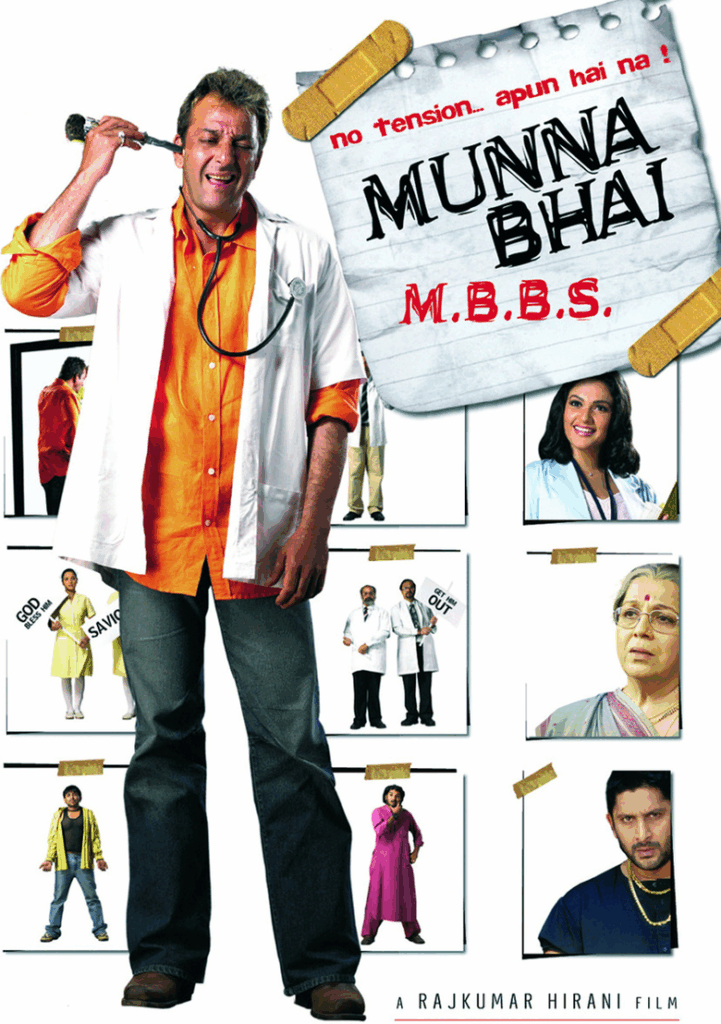
Sanjay Dutt’s persona shifted decisively—from moral collapse to moral possibility. This was not transformation through punishment, but through humanity.
The years that followed refined this evolution. Authority entered Dutt’s roles, but it came weighted with memory and restraint. His characters aged, reflected, and carried the burden of experience. That journey finds its most complete expression in SP Chaudhary. In Dhurandhar, Sanjay Dutt’s lawman is not performative or heroic in the conventional sense. He is controlled, scarred, and deeply aware of the cost of power. This is Munna Bhai’s empathy hardened into discipline, and the gangster’s chaos distilled into judgment.
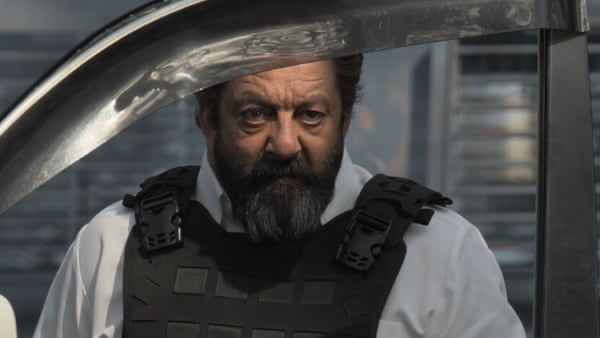
Sanjay Dutt did not reinvent himself to survive changing cinema. He allowed cinema to absorb his contradictions. And in doing so, he became Bollywood’s most compelling moral paradox.

