
After more than a century of silence and sealed stone, light has finally entered the heart of Odisha’s Konark Sun Temple. The reopening of its garbhagriha (sanctum) is not just an archaeological event—it is a civilisational moment.
A Door Closed for 122 Years
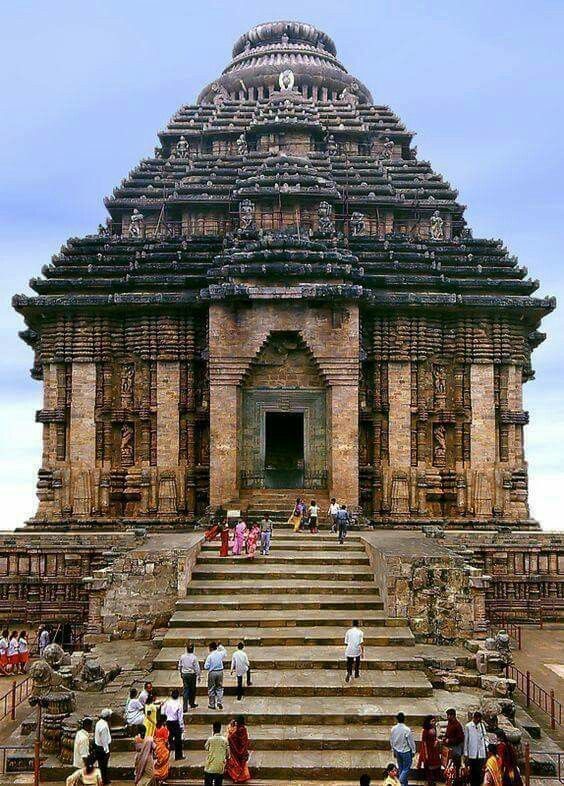
The Konark Sun Temple, a 13th-century architectural marvel dedicated to Surya, had its sanctum sealed for 122 years, largely due to structural instability and sand accumulation. For generations, historians could only speculate about what lay beyond the blocked passage—was it empty, buried, or still breathing with art and ritual memory?
Now, the Archaeological Survey of India (ASI) has confirmed the discovery of a blocked internal passage, initiating a careful clearance through a 4×4-foot tunnel. With every inch of sand removed, the sanctum inches closer to daylight—and to history.
The ASI Operation: Precision Over Speed
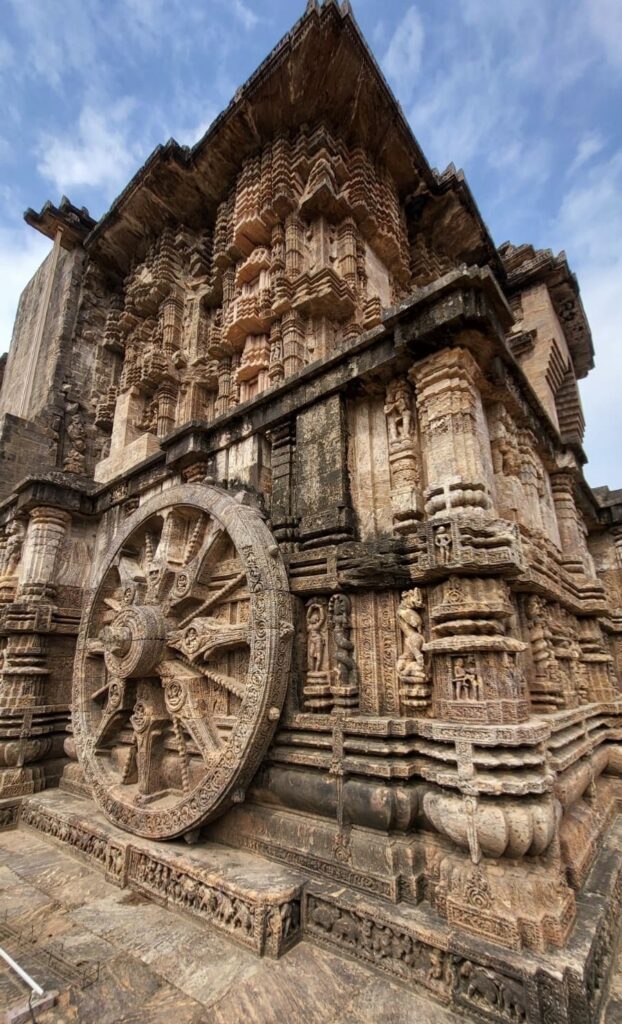
This is not excavation as spectacle; it is archaeology as discipline.
🔆 Micro-tunnelling approach to prevent pressure damage
🔆 Manual sand clearance to protect unseen carvings
🔆 Structural monitoring of the temple’s fragile core
🔆 Controlled light exposure to avoid sudden material decay
The first rays entering the sanctum are symbolic—revealing not just space, but possibility.
Why the Garbhagriha Matters
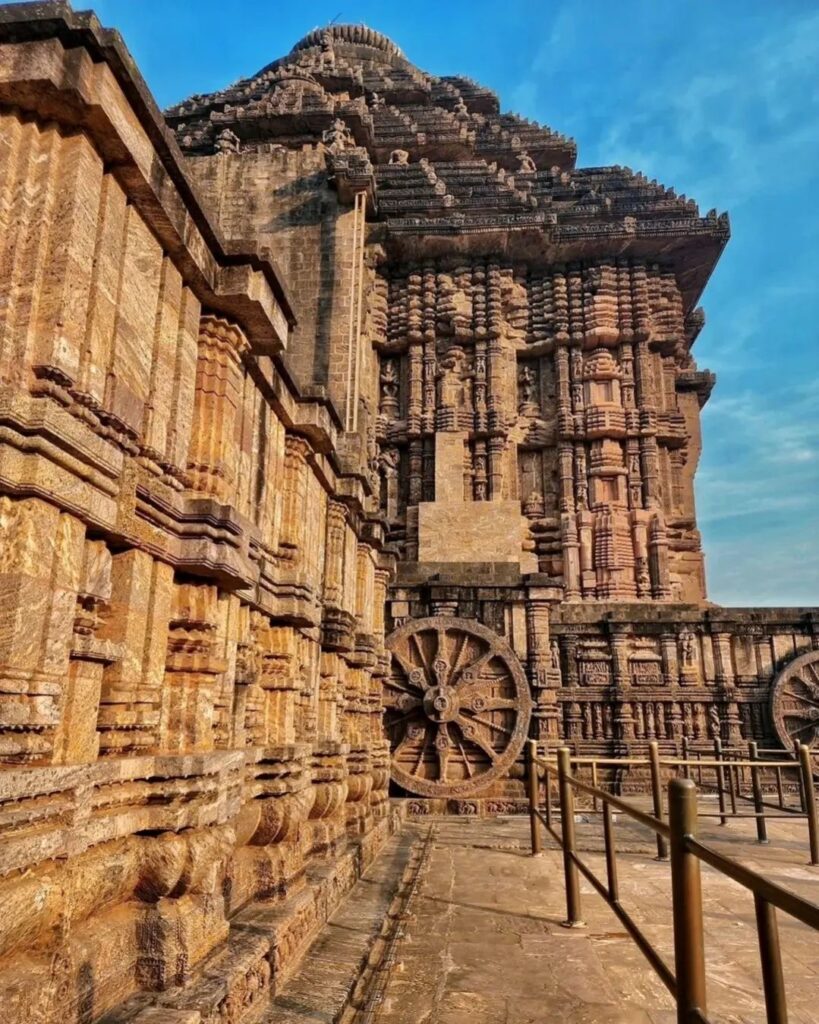
In temple architecture, the garbhagriha is the spiritual nucleus. At Konark, its closure meant the temple functioned without its heart.
🌞 It once housed the principal solar deity
🌞 It aligns astronomically with the Sun’s movement
🌞 It represents cosmic order, time, and renewal
Reopening it restores not ritual—but meaning.
What Could Be Found Inside
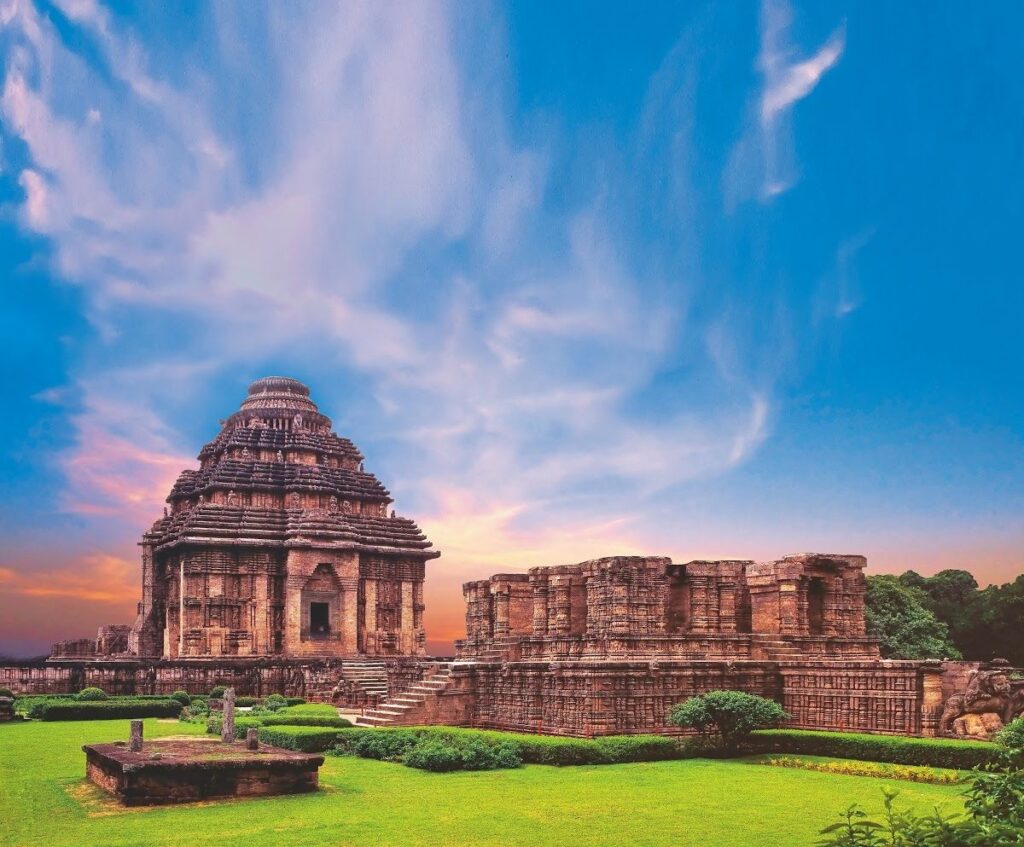
While ASI remains cautious, expectations are high.
🪔 Buried sculptures or relief panels
🪔 Architectural motifs unseen since colonial times
🪔 Traces of ritual installations or flooring
🪔 Evidence clarifying why and how it was sealed
Even absence would speak volumes.
Konark Re-enters the Global Spotlight
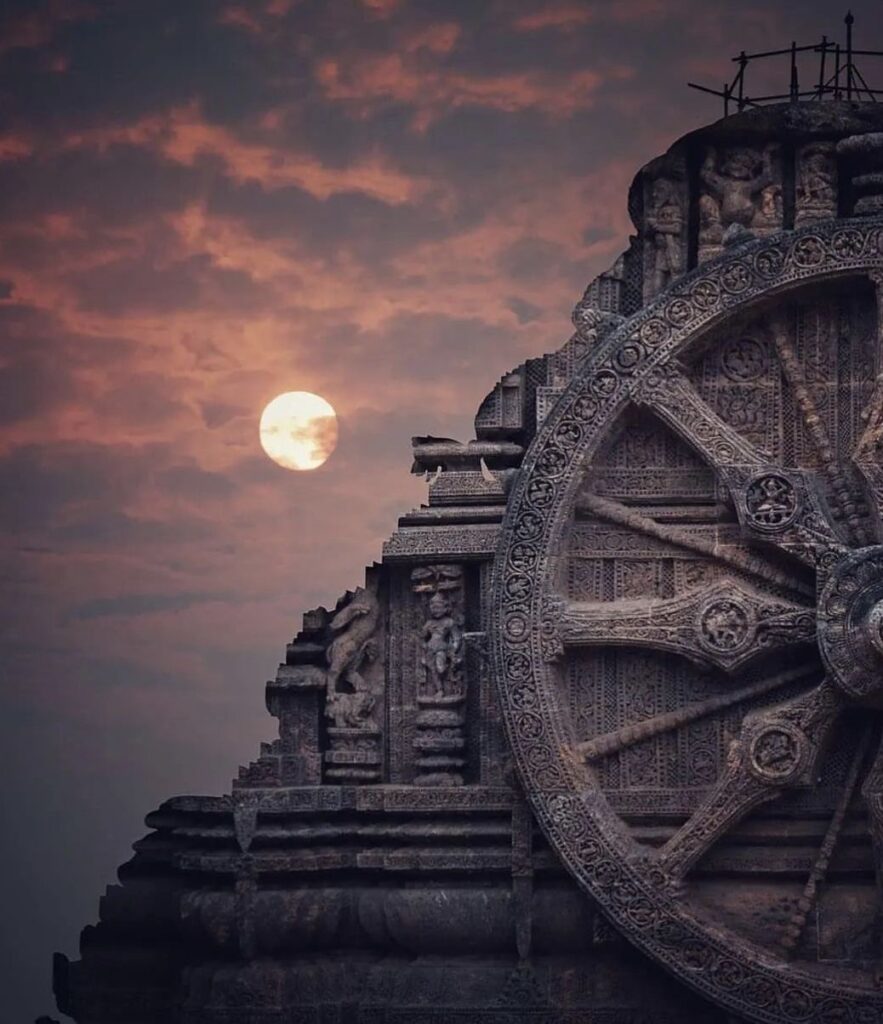
As a UNESCO World Heritage Site, Konark’s sanctum reopening reshapes scholarly discourse—from conservation ethics to medieval Indian engineering. It positions India not as a keeper of ruins, but as a reviver of dormant heritage.
After 122 years, the Sun Temple breathes again. And as light returns to Konark’s core, history prepares to speak—slowly, carefully, and brilliantly.

