
A Silent Witness to History
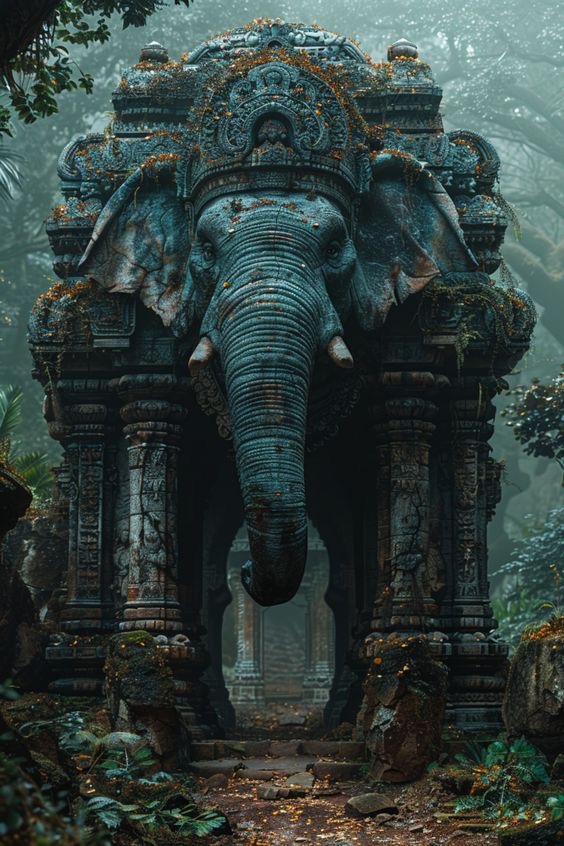
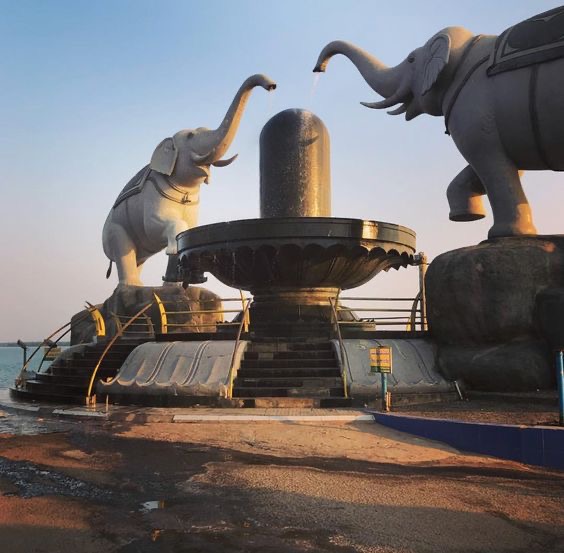
In the bustling coastal city of Quanzhou, China, stands a mysterious 800-year-old stone sculpture — an elephant bowing before a Shivling. At first glance, it might seem like a relic out of place, but this artifact whispers a forgotten story of Hindu influence in ancient China, a time when the Indian Ocean was not just a trade route but a cultural bridge.
🌏 Quanzhou — The Gateway of Civilizations
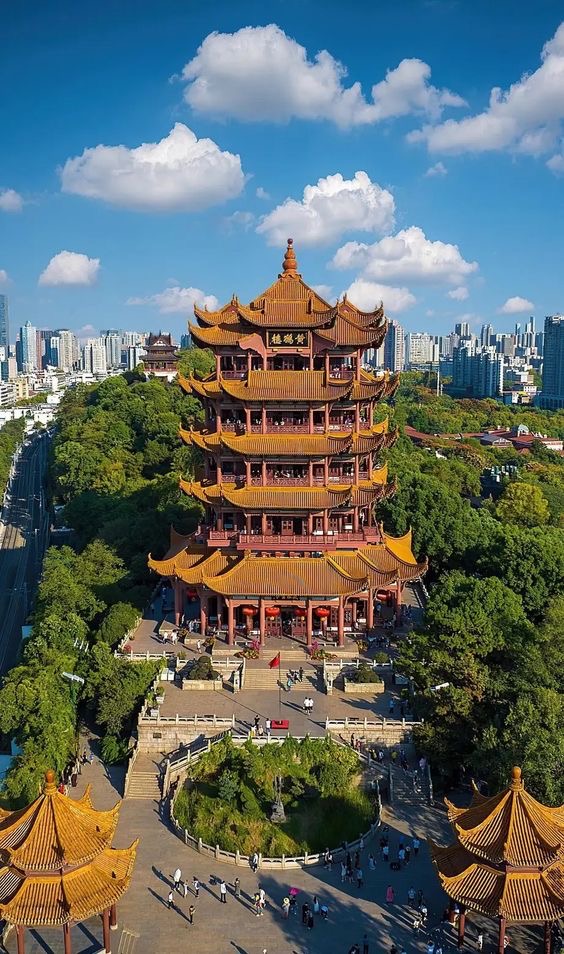
📜 During the Song and Yuan dynasties (960–1368 CE), Quanzhou was one of the world’s busiest ports, known in historical records as Zayton. Ships from India, Southeast Asia, and the Middle East anchored here, carrying not only spices and silk but also beliefs, rituals, and sacred art.
🛕 Hindu traders, particularly from Tamil Nadu and Bengal, established temples in the port city, serving both as places of worship and community hubs. Over time, stone craftsmen left behind intricate works — and one such creation is this elephant-Shivling sculpture.
🐘 The Symbolism Behind the Elephant and Shivling
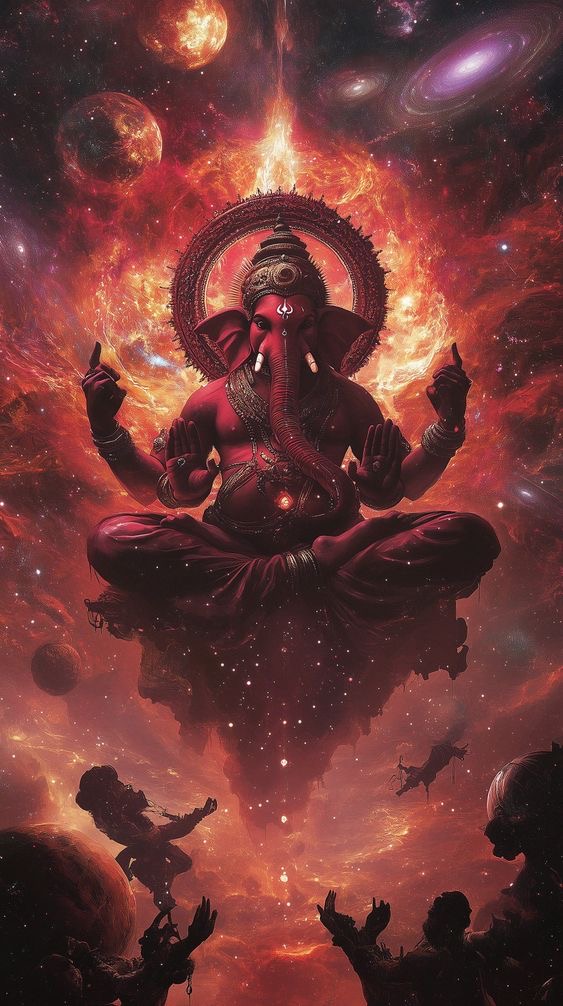
🔍 The elephant in Hindu culture represents wisdom, strength, and divinity — often linked to Lord Ganesha. In this Quanzhou sculpture, however, the elephant’s posture of reverence before the Shivling reflects Shaivism’s spiritual presence far beyond the Indian subcontinent.
🪨 The Shivling, symbol of Lord Shiva, denotes the cosmic pillar of creation and destruction. The act of the elephant bowing mirrors devotional traditions in India, suggesting ritual practices may have been performed here centuries ago.
🌊 A Maritime Web of Faith
🚢 This sculpture is evidence that Hinduism traveled by sea, carried by traders, artisans, and pilgrims. From Chola dynasty merchants to Bengal traders, Indian communities left cultural imprints across East Asia — in Cambodia’s Angkor, Indonesia’s Bali, and here in Quanzhou.
📖 Local Chinese chronicles even mention Brahman temples in the region, reinforcing the fact that Hindu shrines once stood where the sculpture now remains.
🕰 Preservation and Rediscovery
🧭 Today, the elephant-Shivling sculpture rests as a cultural relic in Quanzhou’s historic district, often overlooked by tourists rushing to see the city’s maritime museum. Archaeologists and historians now view it as a tangible proof of India-China cultural diplomacy, centuries before modern borders.
Closing Reflection
This sculpture is not just stone — it is a bridge of memory. It stands in silence, reminding us that faith, art, and trade once sailed together across oceans, weaving civilizations into a shared human story.

