
Imagine a world where machines don’t just forecast the weather but predict human behavior, economic shifts, disease outbreaks, and social trends before they happen. This is no longer science fiction—predictive AI systems are transforming the way we anticipate the future. Unlike traditional forecasting tools, these AI models analyze massive datasets, detect hidden patterns, and simulate scenarios to help decision-makers act before events unfold.
📊 From Weather to Everything

Predictive AI began with meteorology, learning patterns in temperature, wind, and rainfall. Today, its scope has expanded:
- Finance: AI predicts market trends, potential crashes, and investment opportunities by analyzing news, social media, and global events.
- Healthcare: Machine learning models foresee disease outbreaks, patient deterioration, and treatment outcomes.
- Urban Planning: AI anticipates traffic congestion, resource shortages, and emergency response needs.
The shift is from reacting to anticipating, changing how society prepares for uncertainty.
🤖 How Predictive AI Works
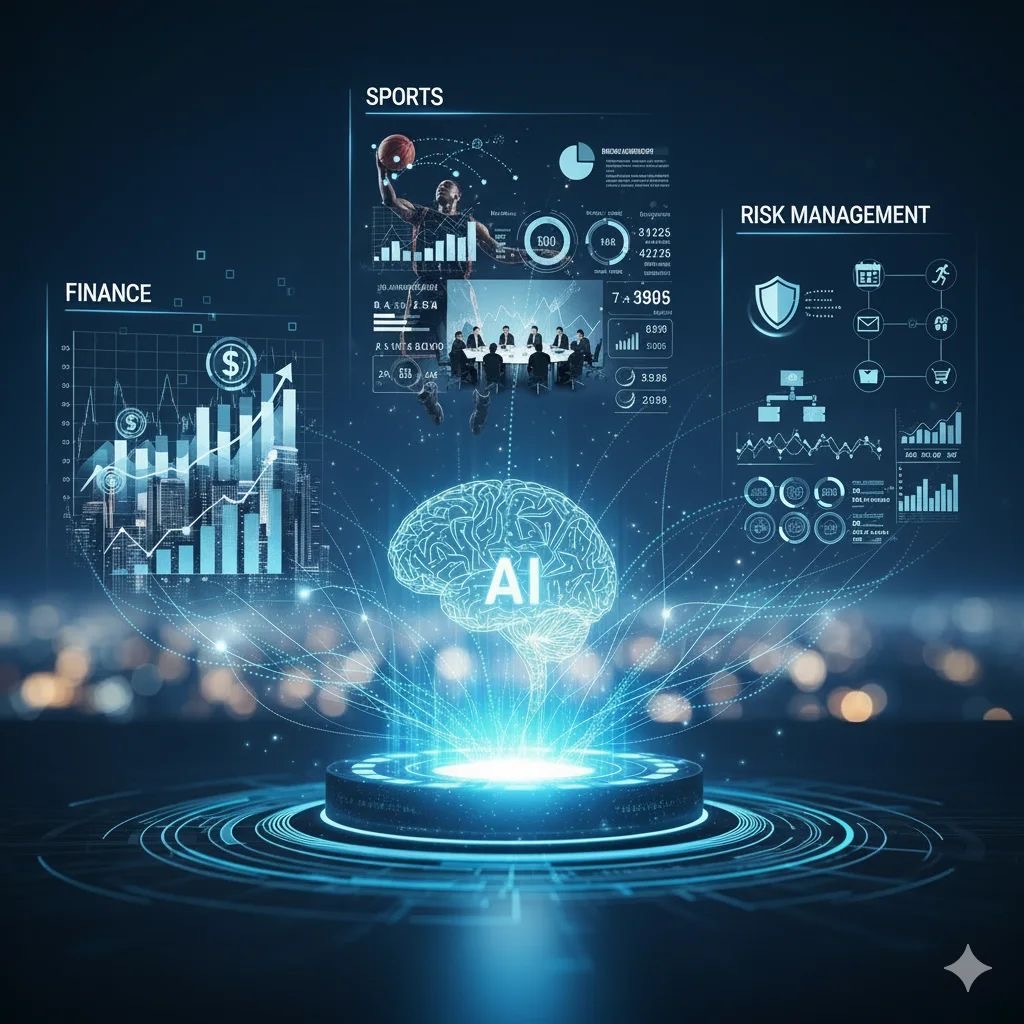
At the core of predictive AI are algorithms trained on historical and real-time data:
- Data Aggregation: Collects vast datasets—from social media activity to IoT sensor readings.
- Pattern Recognition: Detects correlations humans often miss.
- Simulation Models: Tests multiple “what-if” scenarios to estimate outcomes.
- Decision Guidance: Provides actionable insights for governments, businesses, and communities.
These systems don’t just calculate—they “learn” from outcomes, continuously refining their predictions.
🌐 Real-World Applications
- Epidemic Forecasting: AI predicted flu trends and COVID-19 outbreak hotspots weeks in advance.
- Financial Risk Management: Hedge funds use AI to anticipate stock volatility before traditional indicators signal danger.
- Consumer Behavior: Retailers predict buying patterns, optimizing inventory before trends peak.
- Disaster Preparedness: Predictive AI identifies flood-prone areas and optimal evacuation strategies.
⚠️ Challenges and Ethical Considerations

While promising, predictive AI raises critical questions:
- Accuracy: Predictions are only as good as the data—biased or incomplete data can mislead.
- Privacy: Massive data collection can invade personal privacy.
- Decision Dependence: Over-reliance on AI might reduce human intuition and accountability.
Ethical frameworks are essential to ensure AI serves society responsibly.
🚀 The Future of Predictive AI
The next frontier is anticipatory intelligence, where AI doesn’t just predict probable outcomes but suggests interventions to shape the future. Imagine systems guiding global policy to prevent economic crises, health disasters, or social unrest. Predictive AI is not just about seeing the future—it’s about shaping it responsibly.

