
Deep inside the lush biodiversity of the Amazon rainforest, scientists have discovered something extraordinary — a fungus that can naturally break down plastic. At a time when the world is drowning in plastic waste, this microscopic organism could become one of the most powerful allies in humanity’s fight against pollution.
🌍 The Plastic Crisis the World Faces
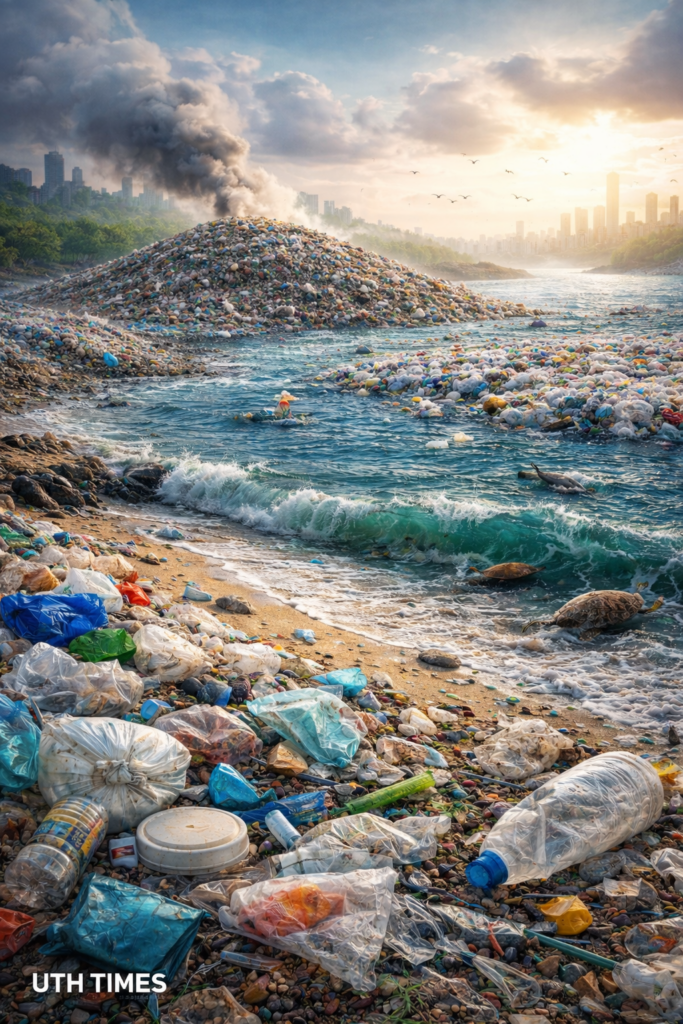
Plastic pollution has become one of the largest environmental threats of the 21st century. Every year, millions of tons of plastic end up in landfills, oceans, and forests.
🔹 Around 400 million tons of plastic are produced globally every year.
🔹 Nearly half of this plastic is single-use, meaning it is discarded after one use.
🔹 Plastic can take hundreds of years to decompose, slowly breaking into harmful microplastics that contaminate soil, water, and even the food chain.
Scientists across the globe have been searching for sustainable and natural ways to break down plastic waste. Surprisingly, the answer might have been hidden for centuries in the dense ecosystems of the Amazon.
🍄 The Amazon Discovery: A Fungus That Eats Plastic
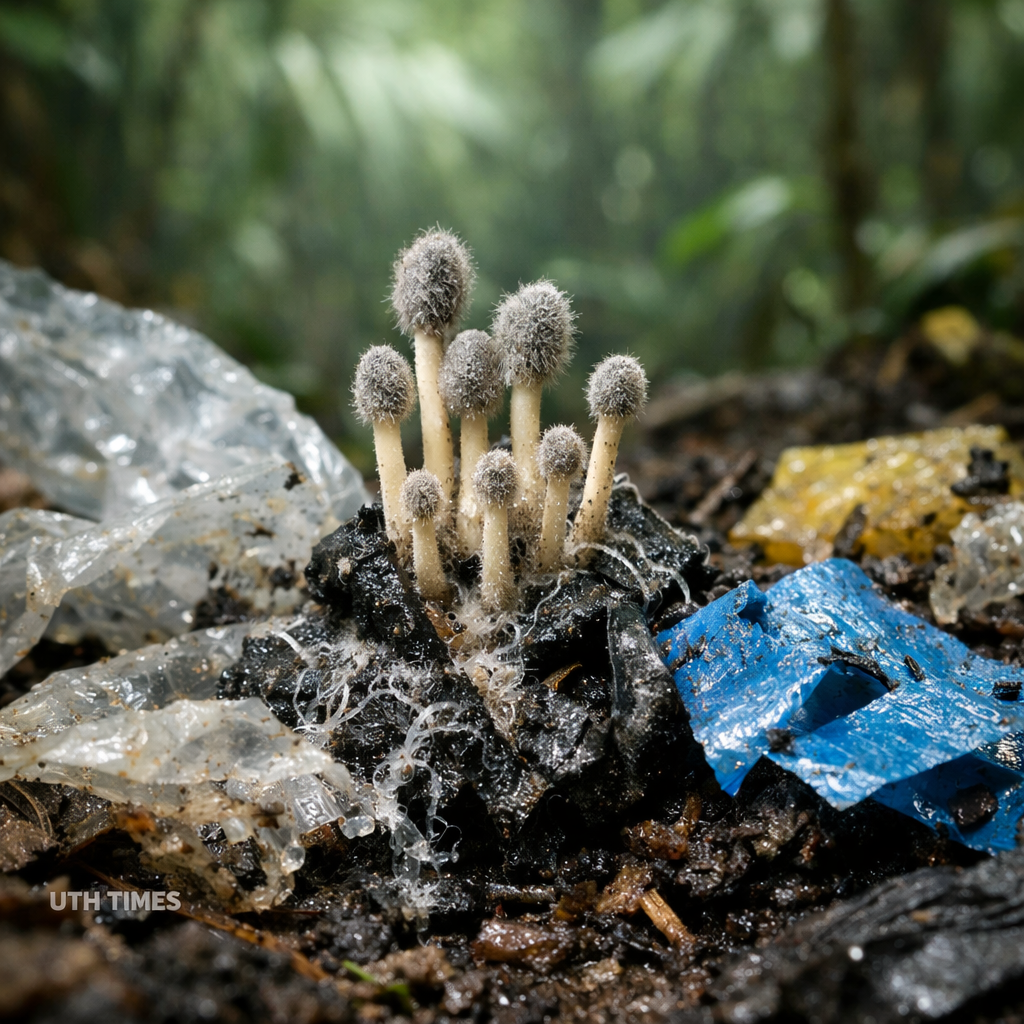
Researchers studying microorganisms in the Amazon rainforest discovered a fungus known as Pestalotiopsis microspora, which has a remarkable ability — it can digest plastic as a source of energy.
🔹 The fungus produces special enzymes capable of breaking down polyurethane, one of the most common and difficult-to-recycle plastics.
🔹 Unlike many organisms, it can survive in oxygen-free environments, meaning it could work even in landfills where oxygen levels are extremely low.
🔹 It essentially uses plastic as food, converting complex plastic molecules into simpler compounds.
This discovery shocked scientists because very few natural organisms can degrade plastic efficiently.
🔬 How This Fungus Could Transform Waste Management
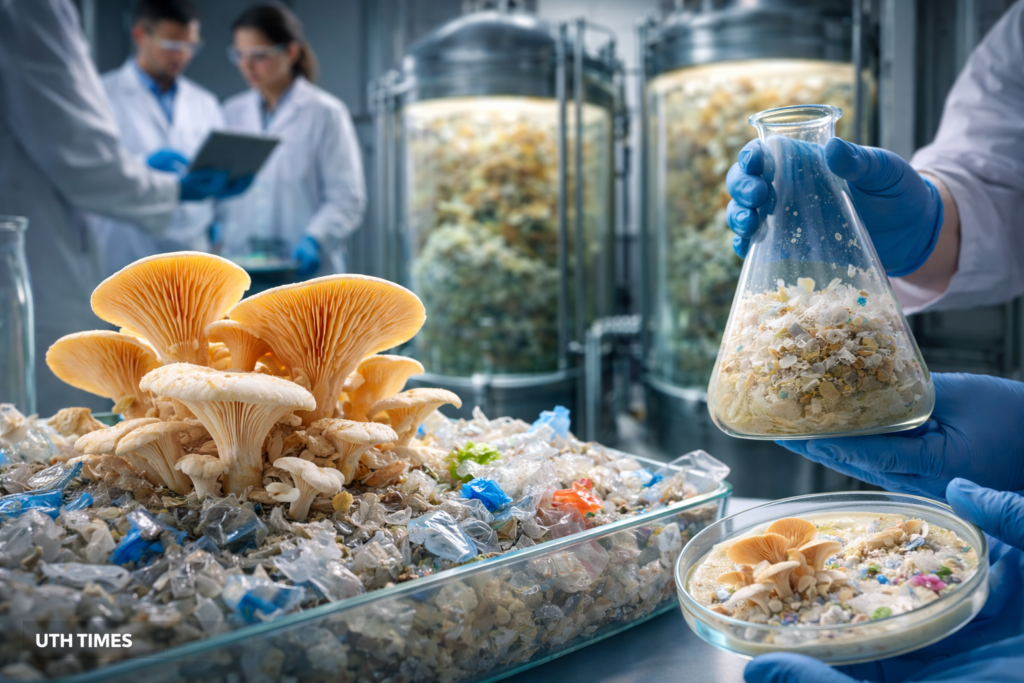
The discovery has opened the door to revolutionary waste management technologies.
🔹 Scientists are studying how the fungus can be cultivated and scaled for industrial use.
🔹 It could be used in bioreactors to break down plastic waste much faster than natural decomposition.
🔹 Researchers are also exploring ways to extract the plastic-degrading enzymes and apply them in recycling facilities.
If successfully developed, this biological solution could help reduce the massive plastic burden in landfills and oceans.
🌱 Why the Amazon Still Holds Scientific Secrets
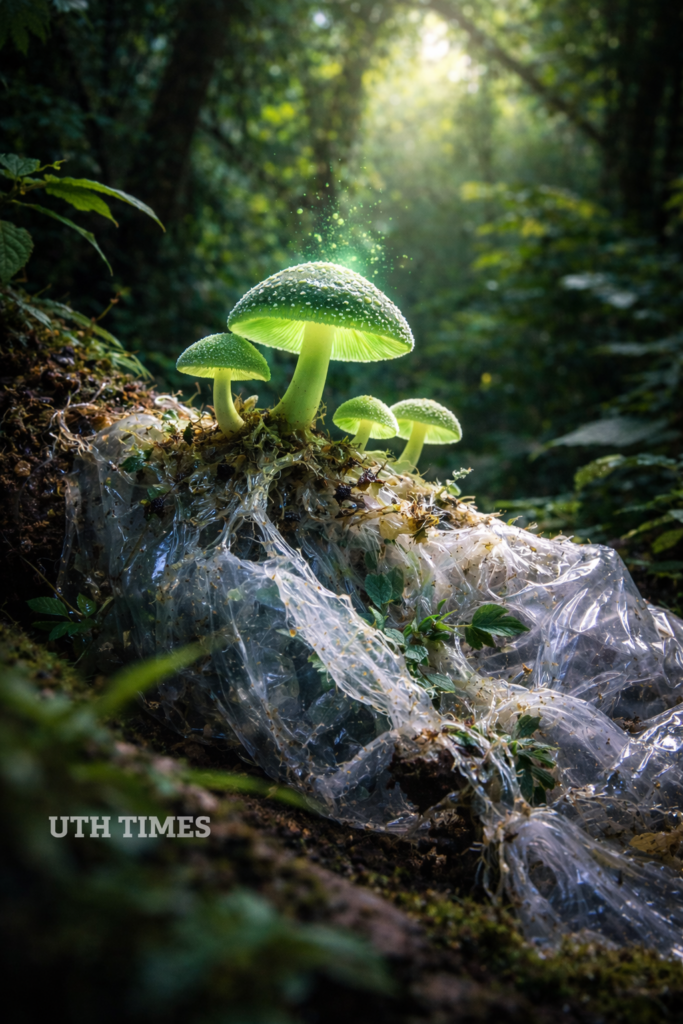
The Amazon rainforest is the largest and most biodiverse ecosystem on Earth, containing millions of species that scientists have yet to fully study.
🔹 Many organisms have unique biochemical abilities developed over millions of years.
🔹 Microbes and fungi often produce powerful enzymes that can solve modern technological challenges.
🔹 Protecting biodiversity could lead to discoveries that benefit medicine, climate solutions, and environmental restoration.
This plastic-eating fungus is just one example of nature’s hidden innovation.
🌎 A Small Organism With Planet-Sized Potential
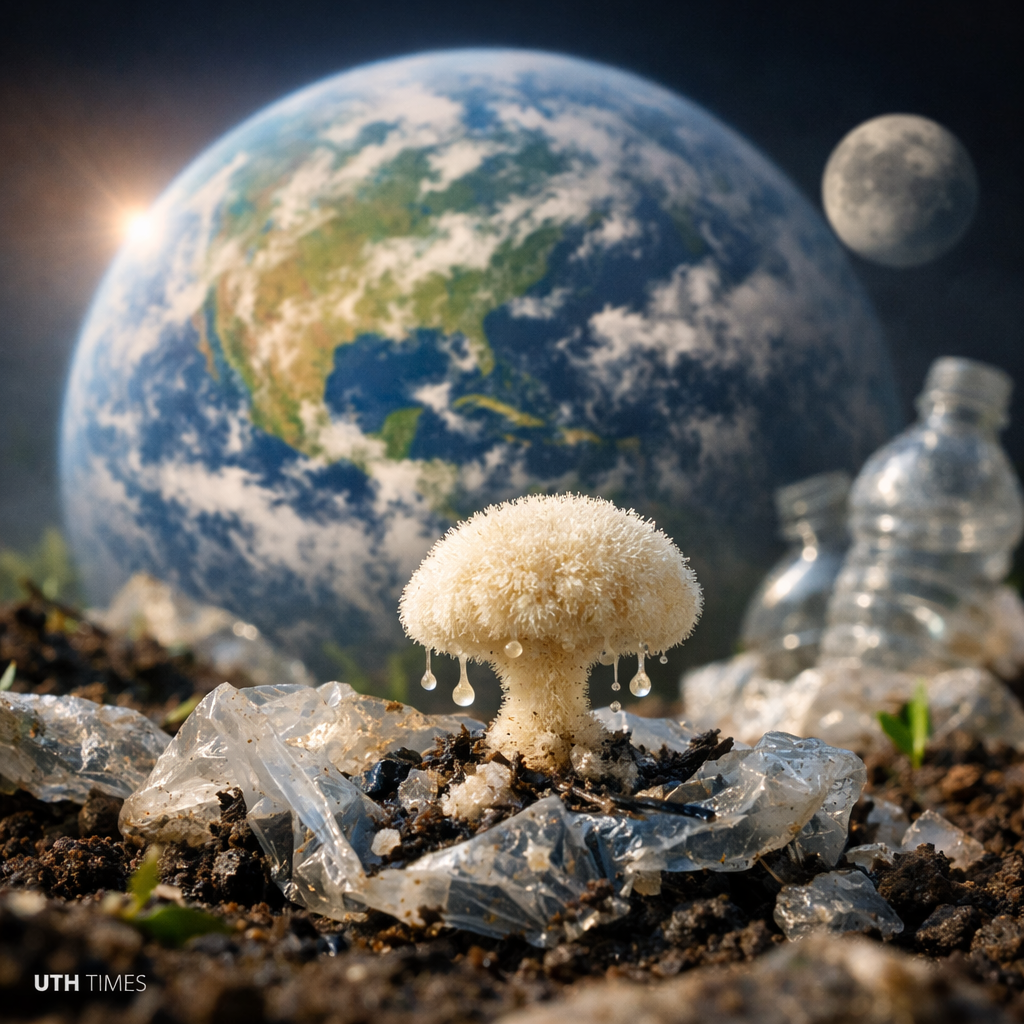
Although the research is still developing, the discovery highlights an important truth — nature often holds solutions to humanity’s biggest problems.
If scientists can successfully harness this fungus, it could become a game-changing tool in the global battle against plastic pollution, proving that sometimes the smallest life forms can create the largest environmental impact.

