
🌸 Onam: More Than a Festival
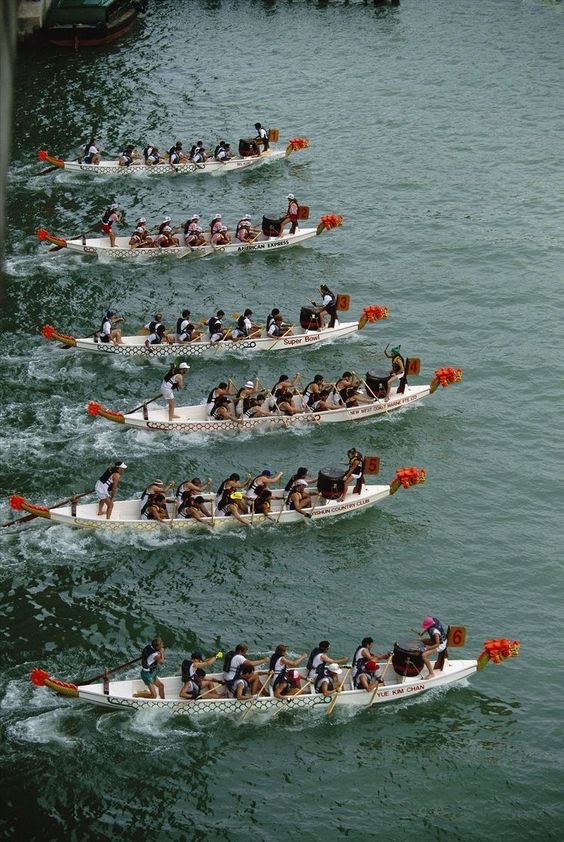
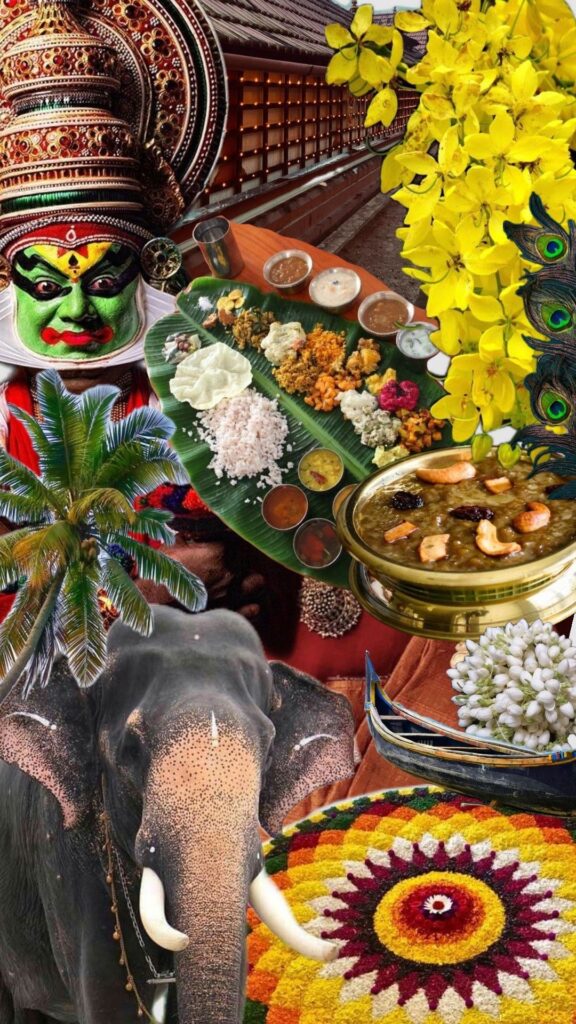
Every year, Kerala blooms with pookkalams (floral carpets), echoes with boat races, and celebrates the legendary return of King Mahabali. To Keralites, Mahabali is remembered as the golden-age ruler who visits his people once a year. But what if the story we grew up with isn’t exactly what the scriptures say?
👑 The Traditional Kerala Legend
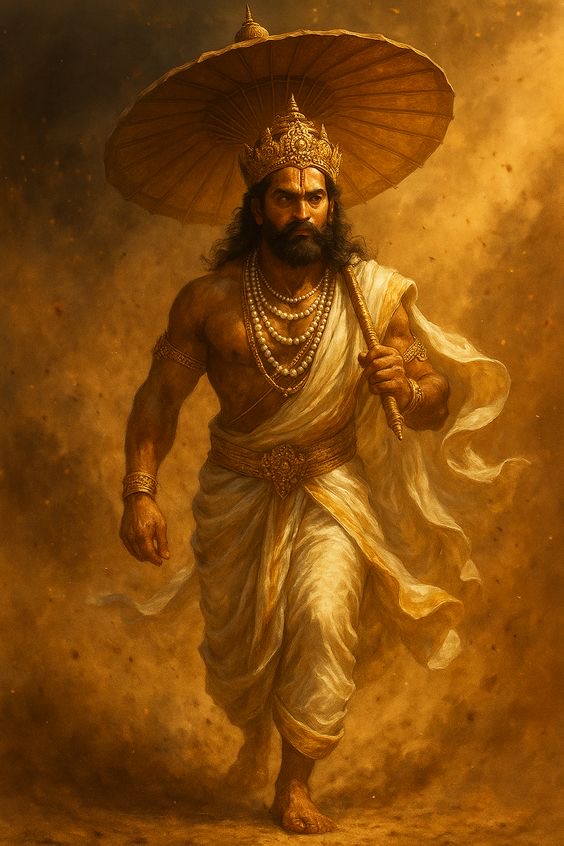
The popular version paints Mahabali as Kerala’s most beloved king. His reign was marked by prosperity, equality, and happiness—so much so that even the Devas grew envious. Lord Vishnu then descended as Vamana, the dwarf Brahmin, and during Mahabali’s yajna asked for three steps of land.
- First step: Vamana covered the earth 🌍
- Second step: He spanned the heavens 🌌
- Third step: Mahabali offered his own head 🙏
Pressed down to the netherworld, Mahabali was not condemned but honored—Vishnu granted him Sutala to rule and the boon to return to his people once every year. That annual homecoming is what Onam celebrates.
📜 The old Version: Mahabali in Gujarat?
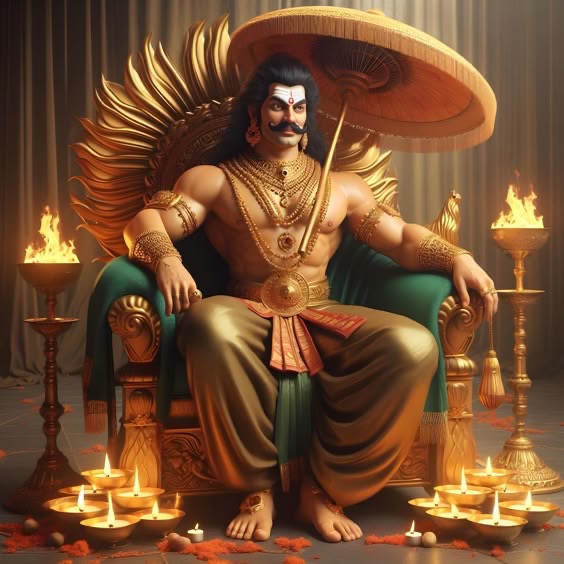
When we turn to the Bhagavata Purana and Vamana Purana, the narrative shifts. Mahabali’s yajna, where Vamana appeared, is not located in Kerala at all but on the banks of the Narmada River in Bharuch (ancient Bhrigukaccha, Gujarat).
- Bharuch was sacred to Sage Bhrigu, central in Vaishnava lore.
- The Ashvamedha Yajna performed by Bali there is where Vamana intervened.
- Sutala, his divine new realm, is described as being under Vishnu’s personal protection.
This makes Bharuch, not Kerala, the actual backdrop of the Mahabali-Vamana episode.
🌀 Then Why Onam in Kerala?
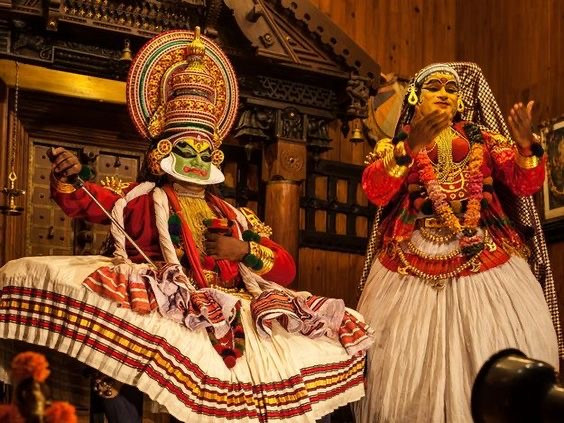
Folklore travels, adapts, and roots itself in local culture. Kerala embraced Mahabali as the symbol of a just ruler and linked his annual return to its harvest festival. Over centuries, the itihaas and the agrarian celebration fused into Onam, a cultural identity far larger than geography.
🌺 Closing Thought
So, was Mahabali a Malayali king? Scriptures suggest otherwise. He may have ruled near the Narmada, yet Kerala claimed him as its own—turning Onam into not just a festival of return, but a timeless reminder of prosperity, equality, and hope.

