
🌍The Sea’s Ancient Riddle
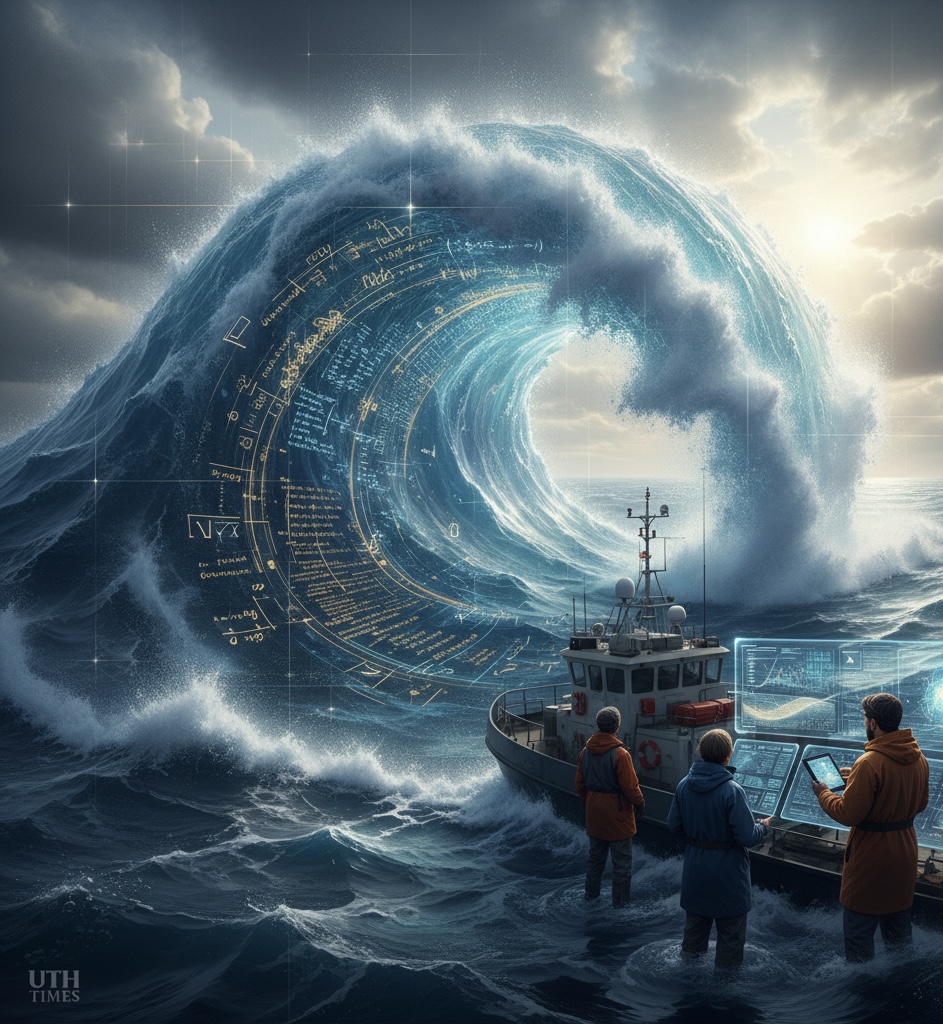
For centuries, the sea has been the greatest mathematician’s puzzle. From the serene ripple of a pond to the monstrous rogue waves that swallow ships, the equations written by Euler in the 18th century claimed to explain it all—if only someone could solve them. Now, three centuries later, a brilliant team from Trieste has done the unthinkable. They’ve uncovered the hidden code behind the waves, proving that the ocean’s chaos is not random—it’s orchestrated.
⚙️ The Unsolvable Equation That Defied Time
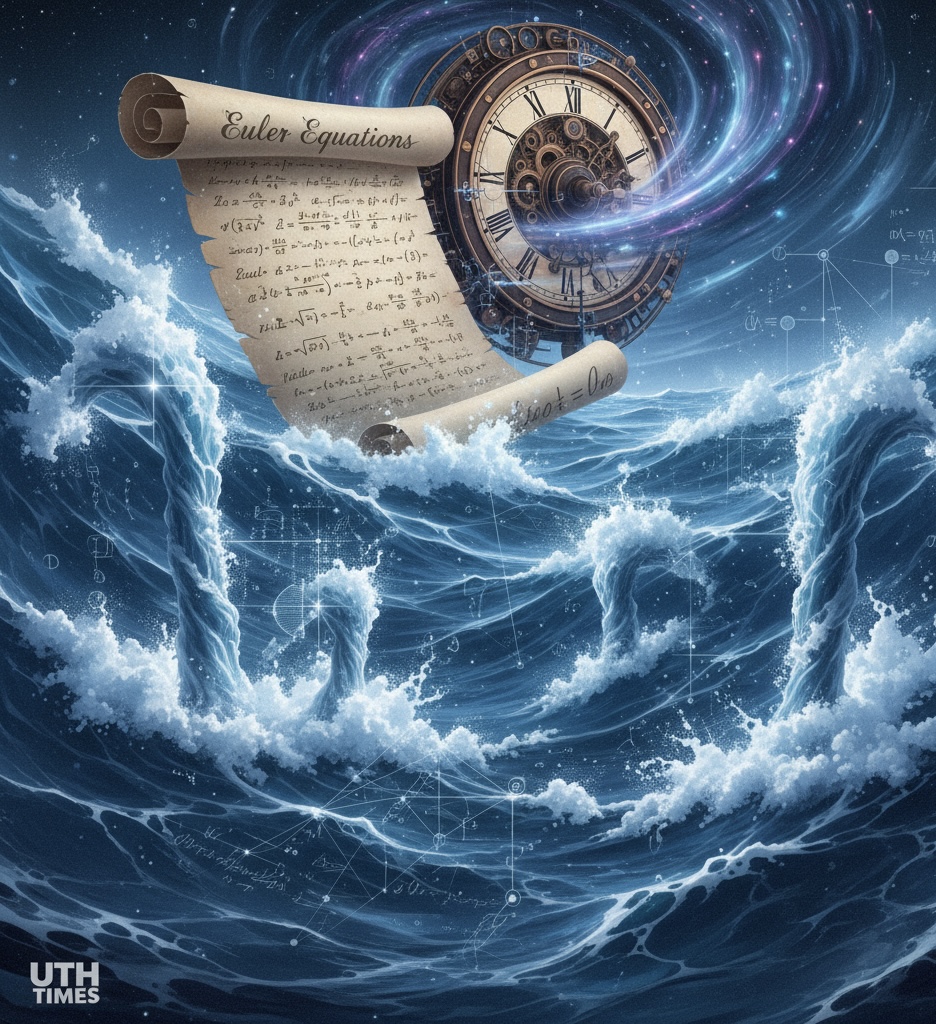
The “Euler equations” describe how fluids move—beautiful in theory, impossible in practice. To solve them is to tame infinity itself. Mathematicians tried for 300 years, using supercomputers and even AI, but the sea remained untouchable. The challenge was simple yet brutal: water doesn’t behave linearly. It folds, collides, and breathes like a living creature. Predicting a single wave meant confronting infinite possibilities.
🌬️ Trieste’s Breakthrough: Where Wind Meets Math
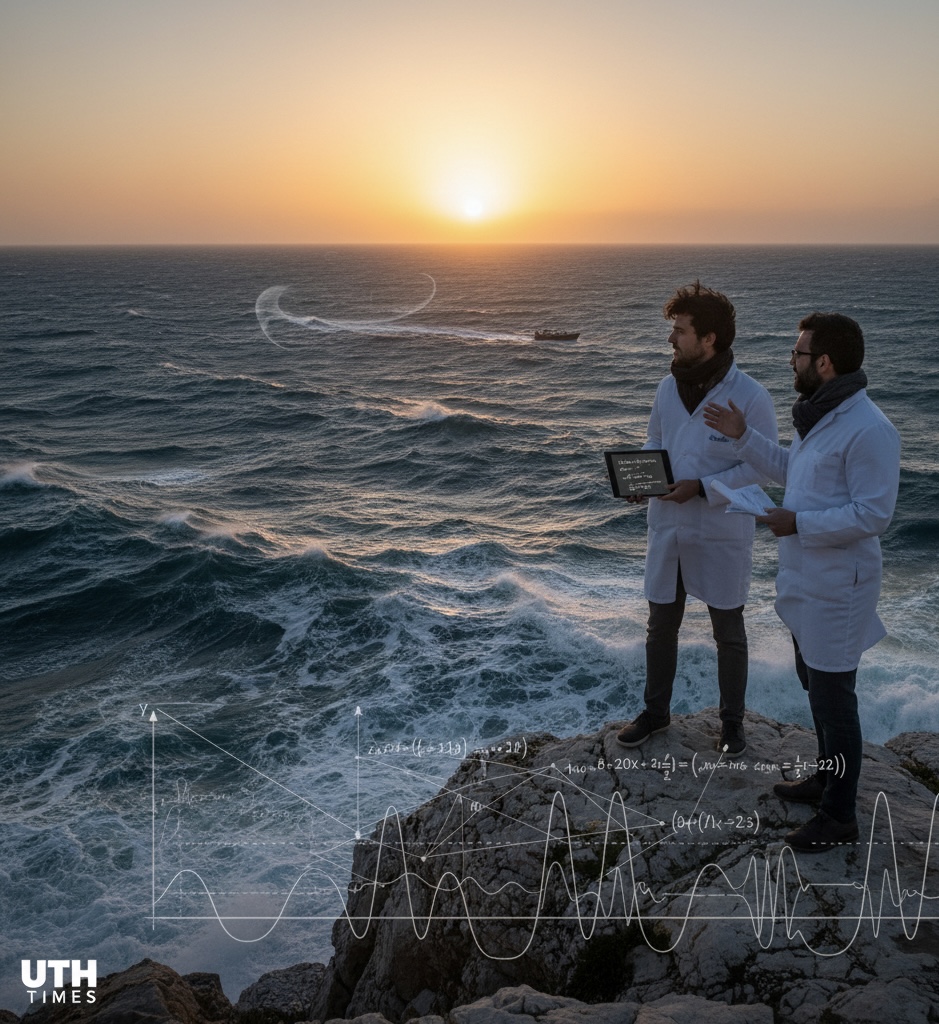
Perched above the Adriatic Sea, researchers Alberto Maspero and Massimiliano Berti from SISSA (International School for Advanced Studies, Trieste) stared at the sea whipped by the Bora winds—a place where waves literally reverse direction. From that chaos, they discovered a pattern hidden in the mathematics of Stokes waves, the so-called “eternal waves.” These are ideal, repeating waves that could, in theory, last forever—if not for the smallest disturbance.
🌀 A gust of wind.
🚤 A passing boat.
🌊 A shift in the current.
Each tiny nudge could destroy perfection, turning calm into catastrophe.
🔢 The Discovery of Infinite Stability Islands
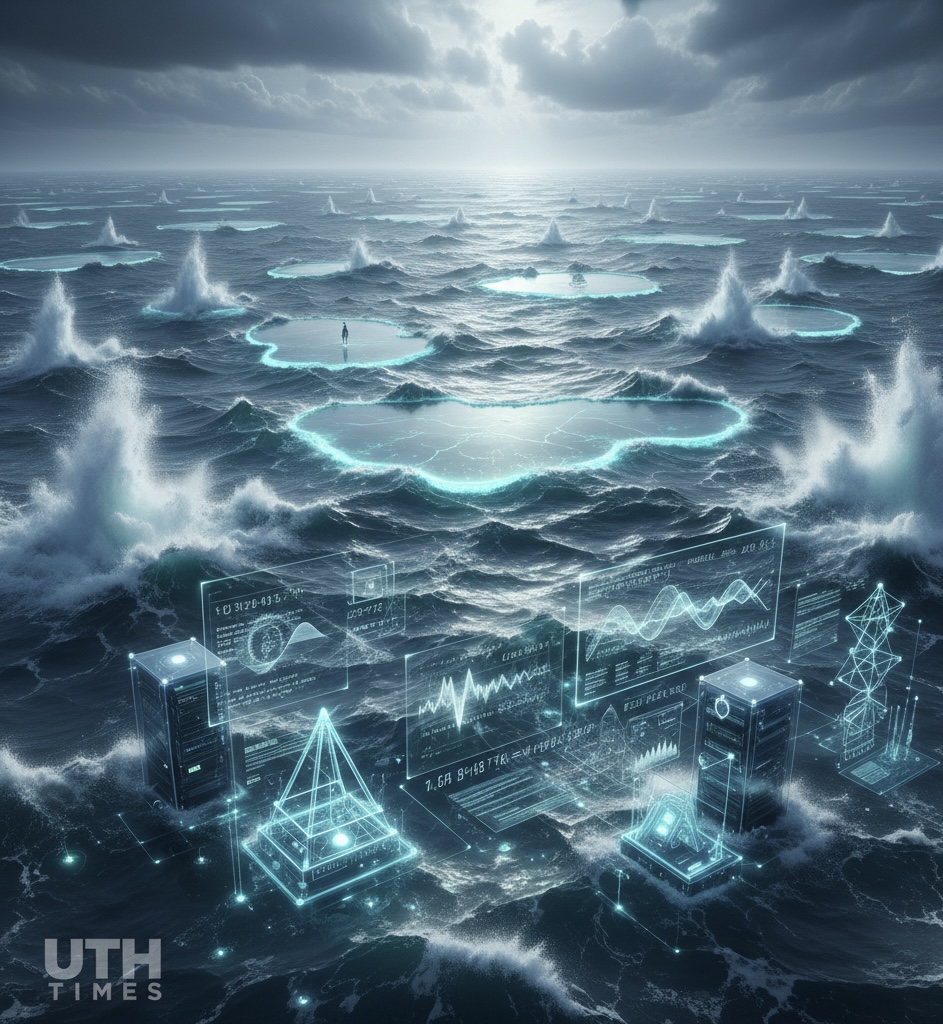
Maspero’s team mathematically proved what decades of ocean simulations had only hinted at: wave stability is not continuous—it exists in islands, or isole. These are infinite chains of balance and chaos scattered across the ocean’s behavior. Between these islands, waves either collapse or explode. The sea, in essence, is a living map of stability and destruction—a constantly shifting mosaic of creation and decay.
To verify it, the team collaborated with a Rutgers mathematician and an AI co-author known as Shalosh B. Ekhad, running over 2,000 advanced computations. For the first time, the proof was irrefutable.
🌊 Conclusion: The Ocean That Thinks
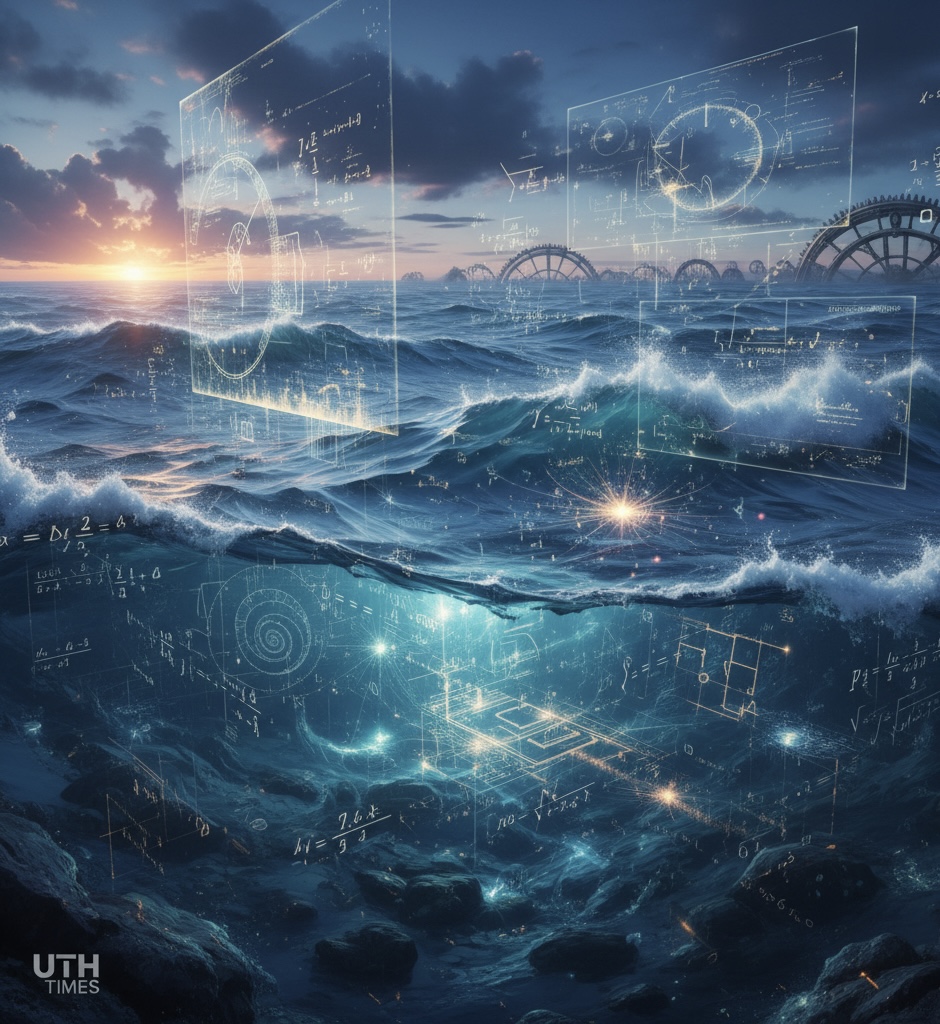
The discovery doesn’t just change oceanography—it reshapes how we see nature itself. The sea is no longer a random wilderness of water, but a mathematical organism, choosing when waves are born and when they die.
Euler’s dream, once mocked by nature, has finally found its reflection in the Adriatic. And beneath the roar of every wave lies a secret code—written in numbers, whispered by the sea.

