
In the quest for sustainable economic growth, nations often focus on policies, resources, and infrastructure. However, two intangible yet powerful forces—meritocracy and a strong cultural foundation—serve as the true bedrock of prosperity.
Meritocracy, a system where advancement is based on talent, effort, and achievement rather than nepotism or privilege, ensures efficient allocation of human capital.
A strong culture, encompassing shared values like diligence, innovation, and social trust, reinforces behaviors that drive productivity and resilience.
Together, they create an ecosystem where individuals and societies thrive economically.Meritocracy fuels economic development by rewarding competence and fostering innovation. When positions in government, business, and education are allocated based on merit, it leads to higher productivity and better resource utilization.
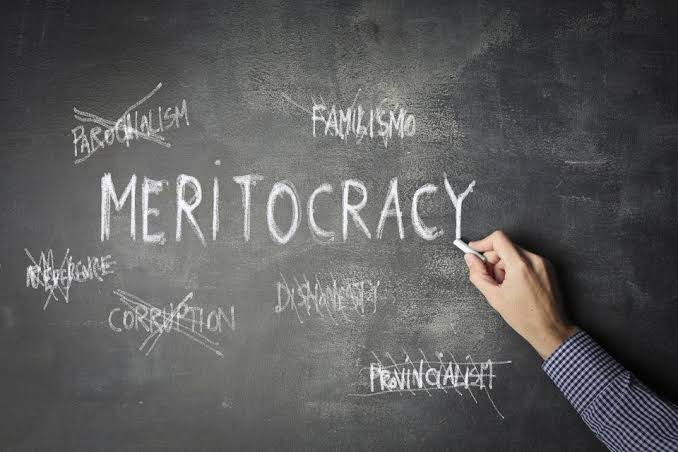
Research shows that meritocratic systems promote prosperity by dismantling barriers to talent, resulting in faster growth rates.
For instance, countries with higher meritocracy degrees exhibit increased social capital, which sustains long-term economic expansion.
This is evident in Singapore, where a rigorous merit-based civil service has propelled it from a developing nation to a global economic hub. By contrast, nepotistic systems breed inefficiency, stifling innovation and slowing growth.
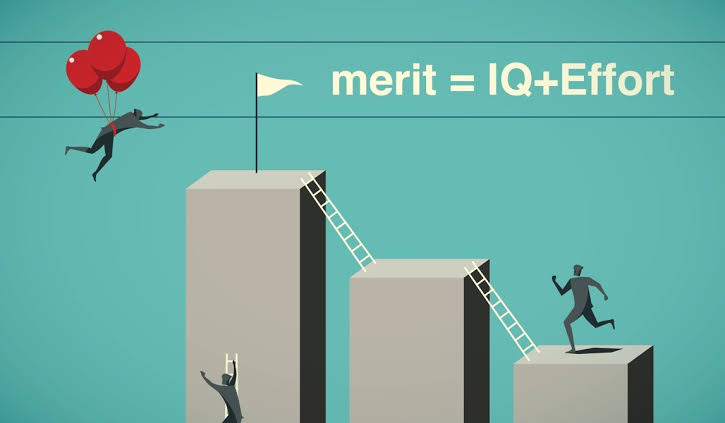
Meritocracy also reduces income inequality in balanced forms, as it enhances social mobility and encourages investment in education and Economists argue that labor markets in high-income countries are more meritocratic, correlating with superior development outcomes.
Equally vital is a strong culture that aligns societal norms with economic goals. Culture influences how people allocate scarce resources, shaping attitudes toward work, risk-taking, and cooperation.
Values such as long-term orientation, as seen in East Asian Confucian societies, promote savings, education, and entrepreneurship, leading to rapid industrialization in nations like South Korea and Japan.
Cultural beliefs in hard work and trust enhance economic exchanges by reducing transaction costs and fostering networks.
Studies confirm that cultures emphasizing autonomy, life satisfaction, and collective well-being positively impact growth metrics like GDP per capita.
Conversely, cultures plagued by corruption or short-termism hinder development, as they erode institutional trust and deter investment.
The synergy between meritocracy and strong culture amplifies their effects. A meritocratic system thrives in a culture that values fairness and achievement, while a robust culture is sustained by merit-based rewards that reinforce positive behaviors. In Scandinavian countries, for example, a culture of egalitarianism combined with meritocratic policies has yielded high innovation and welfare standards.
Without these foundations, even abundant resources can lead to stagnation, as seen in some resource-rich but culturally fragmented nations.In conclusion, meritocracy and strong culture are indispensable for economic development, providing the human and social infrastructure for growth.
Nations aspiring to prosperity must cultivate these elements through education reforms, transparent institutions, and cultural promotion. By doing so, they not only boost GDP but also build inclusive, resilient economies that benefit all citizens.

