
The Current Situation
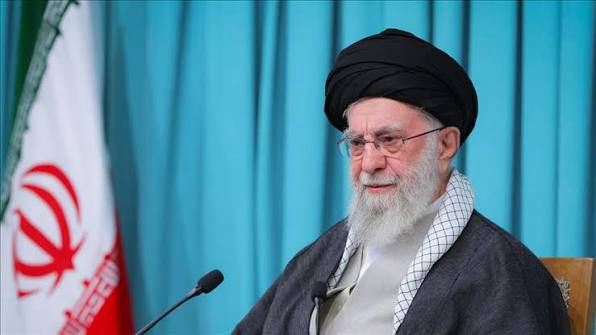
The Middle East is facing one of the most serious military escalations in decades. The crisis intensified after joint military strikes by the United States and Israel on Iran, reportedly targeting military and strategic sites.
These strikes triggered Iranian retaliation using missiles and drones against Israeli territory and US military bases across the Gulf region.
The conflict has now expanded beyond Iran itself:
- Missile strikes have spread across the Gulf region
- Fighting has involved Iran-backed groups such as Hezbollah
- Airspace closures and naval threats are ongoing
This has created fears that the war could expand into a wider regional or global conflict.
Why Iran Matters Strategically
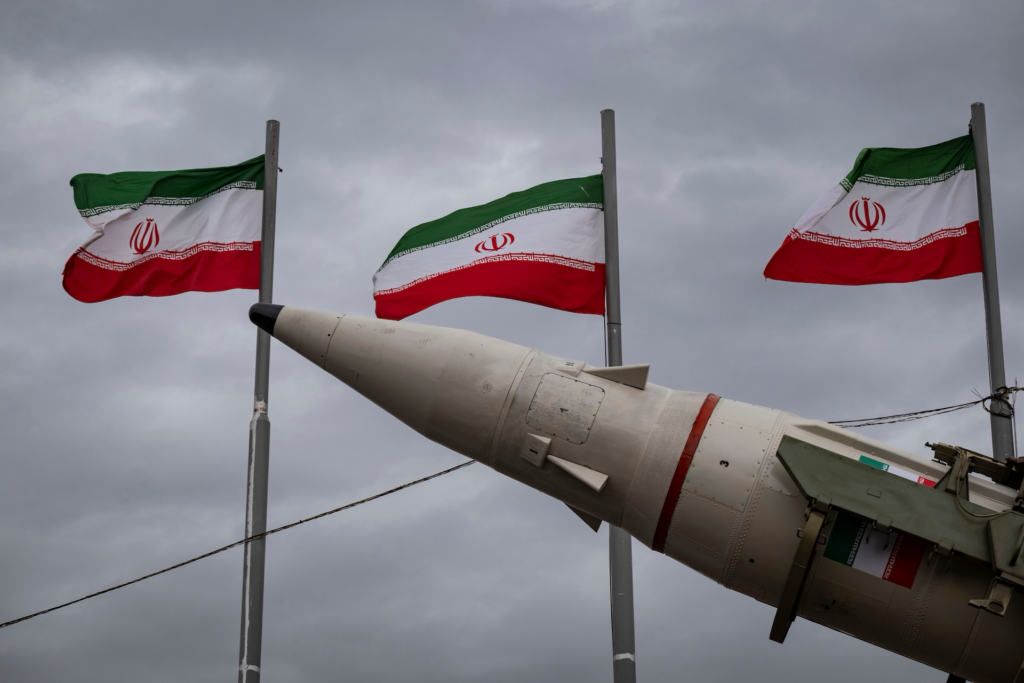
Iran is not just another regional power. Its geographic position gives it enormous influence over global trade and energy supply.
The Strait of Hormuz, near Iran’s coast, carries around 20% of the world’s oil supply, making it one of the most important trade routes on Earth.
Disruption in this region has already caused:
- Oil shipments halted
- Tankers damaged
- Ships avoiding the region
- Rising global energy prices
Because many countries depend on Middle Eastern energy, a prolonged conflict would have global economic consequences.
How the War Started
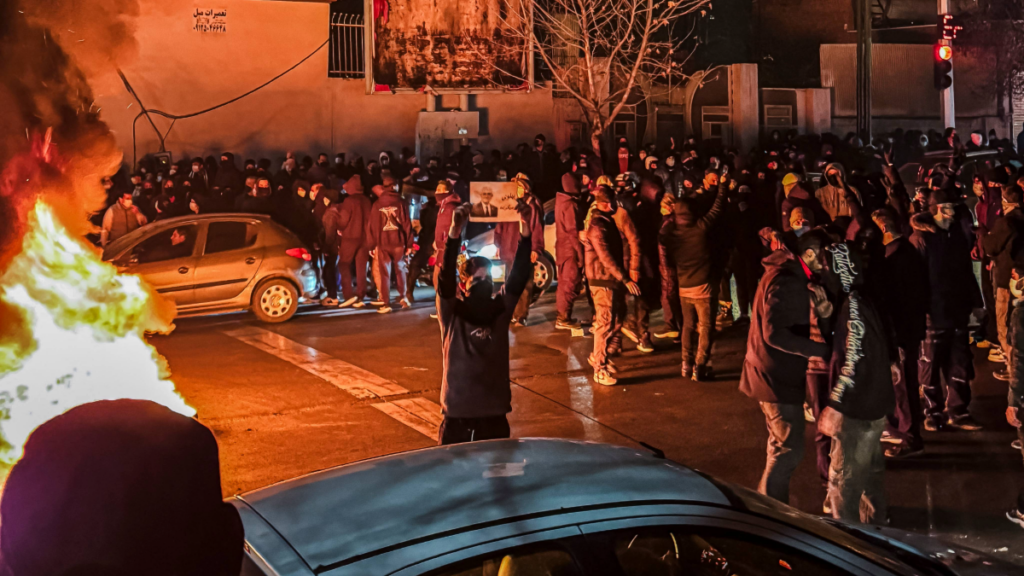
The tensions did not begin suddenly. They developed over decades of rivalry between:
- Iran
- Israel
- The United States
Hostility increased significantly after conflicts in the Middle East since 2023, including attacks by Iran-aligned groups on US and Israeli targets.
The current war escalated sharply after major military strikes and high-level casualties, triggering retaliation across the region.
Could This Become World War III?
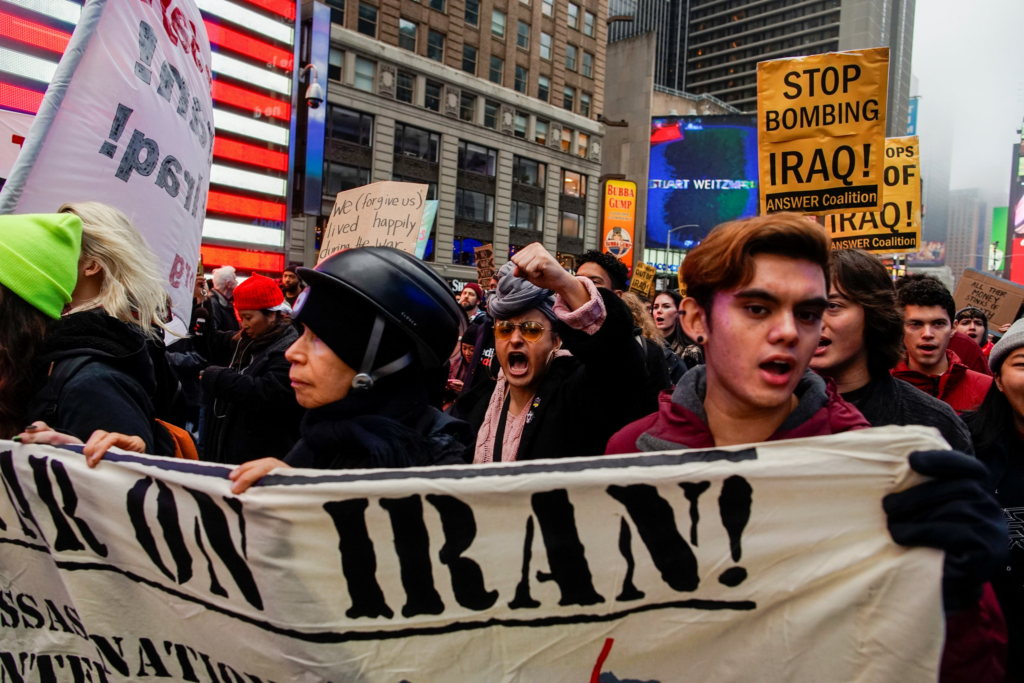
Many commentators are raising fears of a world war, but most strategic analysts say a global war is still unlikely at present.
A true world war would require major powers such as:
- China
- Russia
- NATO countries
to enter the conflict directly.
At the moment:
- The fighting is concentrated in the Middle East
- Most countries are calling for restraint and diplomacy
- Military operations remain regionally focused
This makes the situation closer to a regional war with global impact, rather than a world war.
Real Risks of Escalation
Even if a world war is unlikely right now, the risks are serious.
1. Expansion to Gulf States
Iranian attacks and US bases in Gulf countries could draw more states into the conflict.
2. Energy Crisis
Long-term disruption of oil routes could destabilize global economies.
3. Proxy Wars
Iran-backed groups in Lebanon, Iraq, and Syria could widen the battlefield.
4. Military Miscalculation
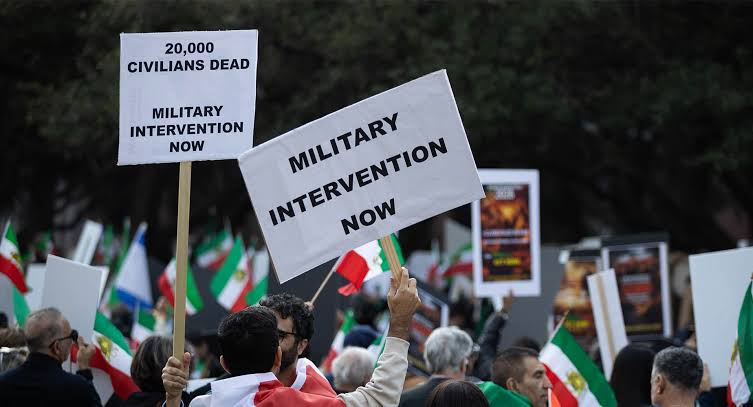
Accidental strikes or misinterpretations could trigger wider confrontation.
The Iran conflict is one of the most dangerous geopolitical crises of the 21st century so far.
However:
- It is not yet a world war
- It remains primarily a regional military conflict
- Escalation depends on whether major powers join directly
The situation remains volatile, and the coming weeks will determine whether the conflict stabilizes or expands further.

