
India’s currency could soon become more durable, cleaner, and technologically advanced. In a significant move towards modernising the nation’s cash ecosystem, the Central Government has approved the Reserve Bank of India’s proposal to conduct field trials of polymer ₹10 and ₹20 banknotes. While this is only a testing phase, the initiative marks an important milestone in India’s long-term currency evolution.
Why Polymer Notes?
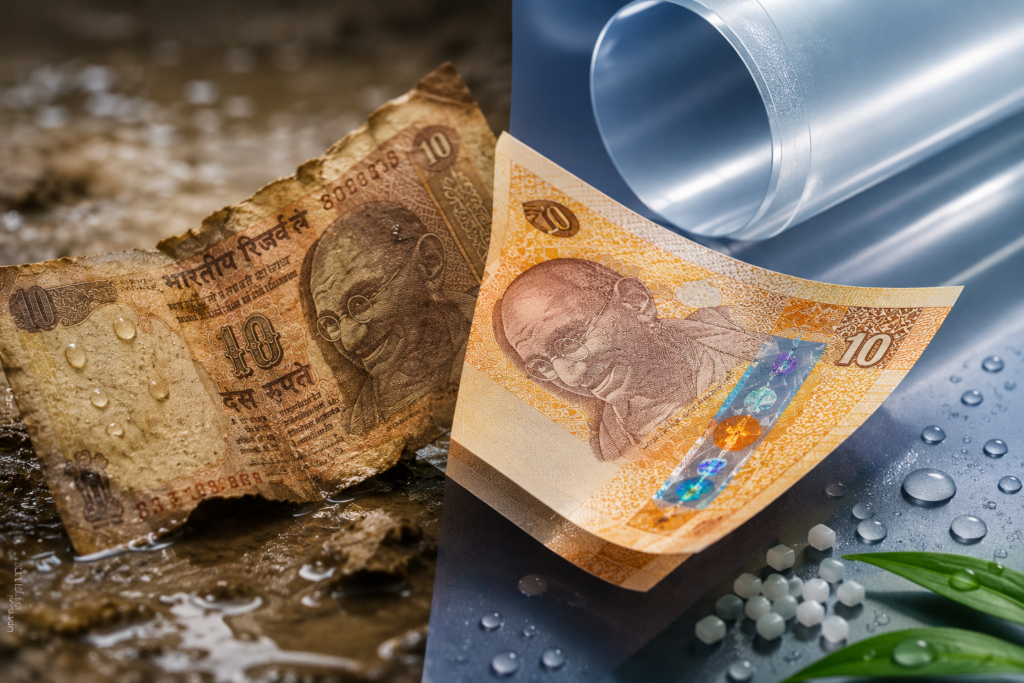
Traditional paper currency, though effective, wears out quickly due to India’s diverse climate, heavy circulation, and frequent handling. Polymer banknotes, made from a specialised plastic substrate, are designed to overcome these limitations.
✨ Potential advantages include:
🟢 Significantly longer lifespan compared to cotton-based paper notes.
🟢 Greater resistance to water, dirt, humidity, and tearing.
🟢 Reduced replacement costs over time due to enhanced durability.
🟢 Cleaner notes that remain in circulation for longer periods.
🟢 Advanced security features that are far more difficult to counterfeit.
Rather than simply replacing paper with plastic, polymer technology represents a major upgrade in the science of currency production.
What Exactly Has Been Approved?
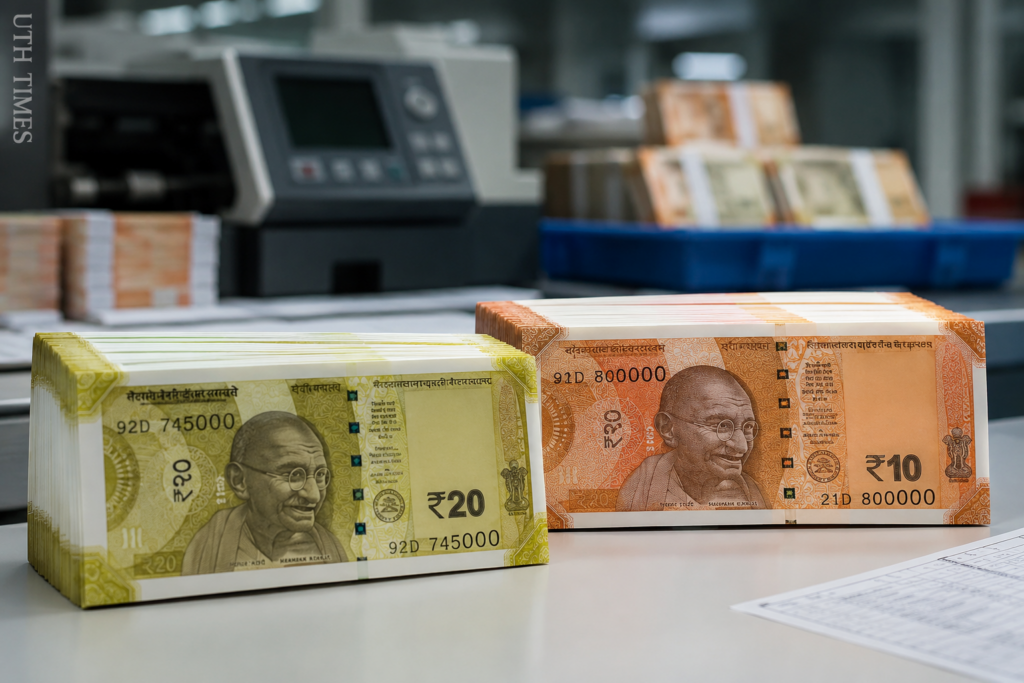
The Centre has authorised the RBI to conduct extensive field trials by introducing nearly 1 billion polymer ₹10 notes and 1 billion polymer ₹20 notes into circulation.
These notes will be tested across different geographical regions, climatic conditions, and usage environments to evaluate their real-world performance.
The objective is to understand how polymer notes behave under India’s unique conditions—from humid coastal cities and monsoon-affected regions to dusty rural markets and densely populated urban centres.
What Will RBI Evaluate During the Trial?
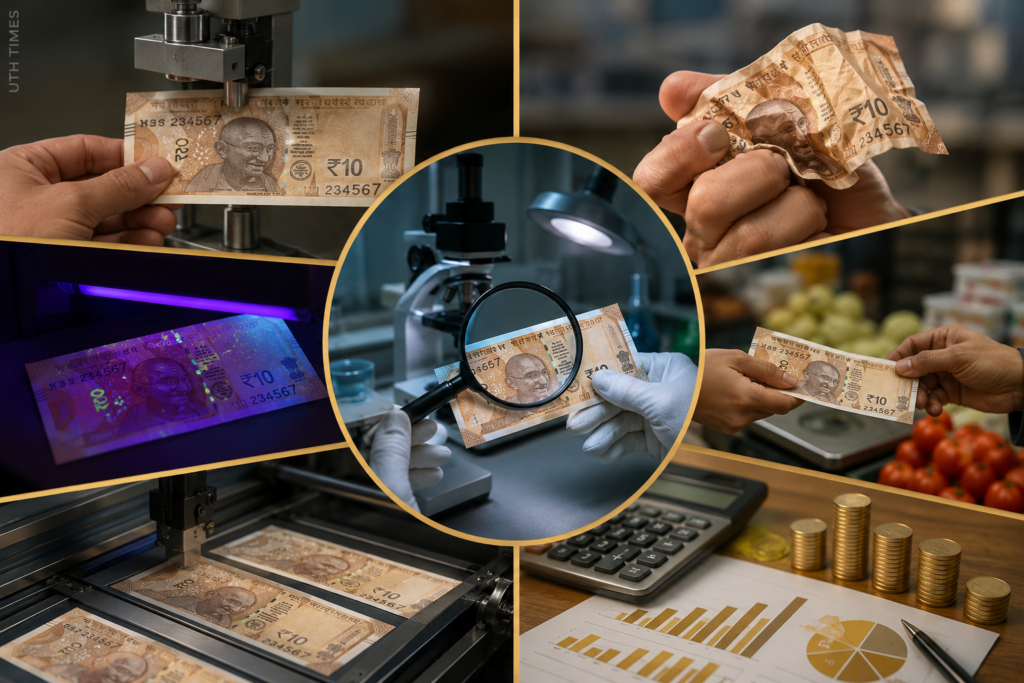
The field trials are expected to examine multiple performance indicators before any future policy decision.
🔹 Key evaluation parameters include:
🟢 Durability under continuous public usage.
🟢 Resistance to folding, crumpling and physical damage.
🟢 Performance of embedded security features.
🟢 Public acceptance and ease of handling.
🟢 Printing quality and long-term appearance.
🟢 Overall cost-effectiveness compared with existing paper notes.
Only after comprehensive analysis will policymakers determine whether wider adoption is economically and operationally viable.
Will Existing Notes Be Discontinued?
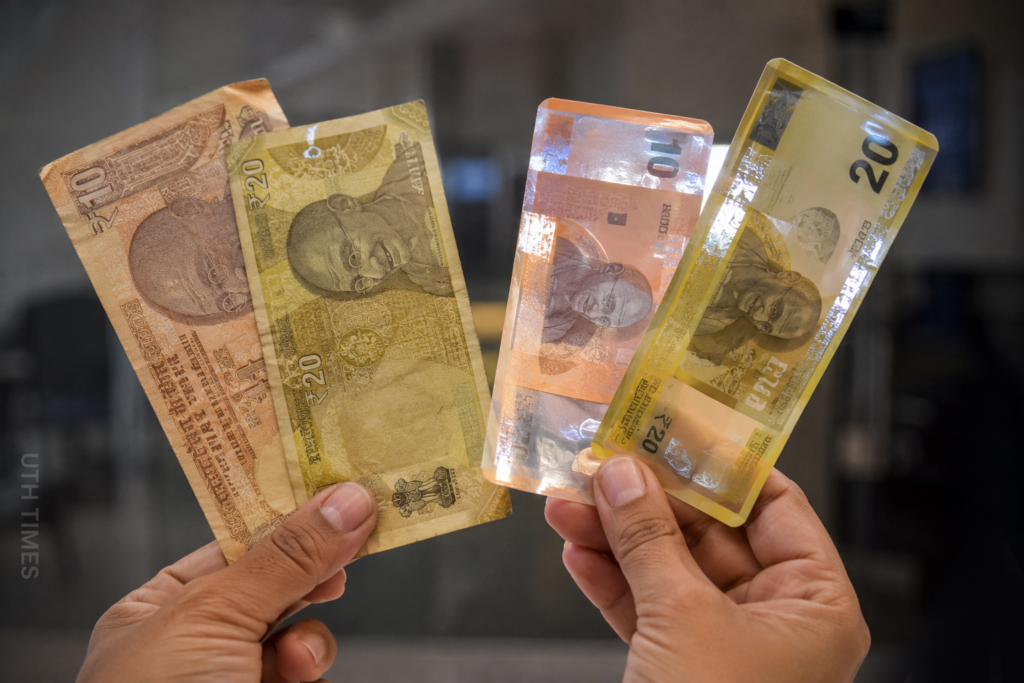
No.
This announcement does not signal the replacement of India’s existing paper currency.
The familiar ₹10 and ₹20 paper notes will continue to remain legal tender and circulate normally alongside the polymer trial notes. The initiative is purely experimental and should not be interpreted as the beginning of a nationwide currency replacement programme.
A Global Technology with Indian Relevance
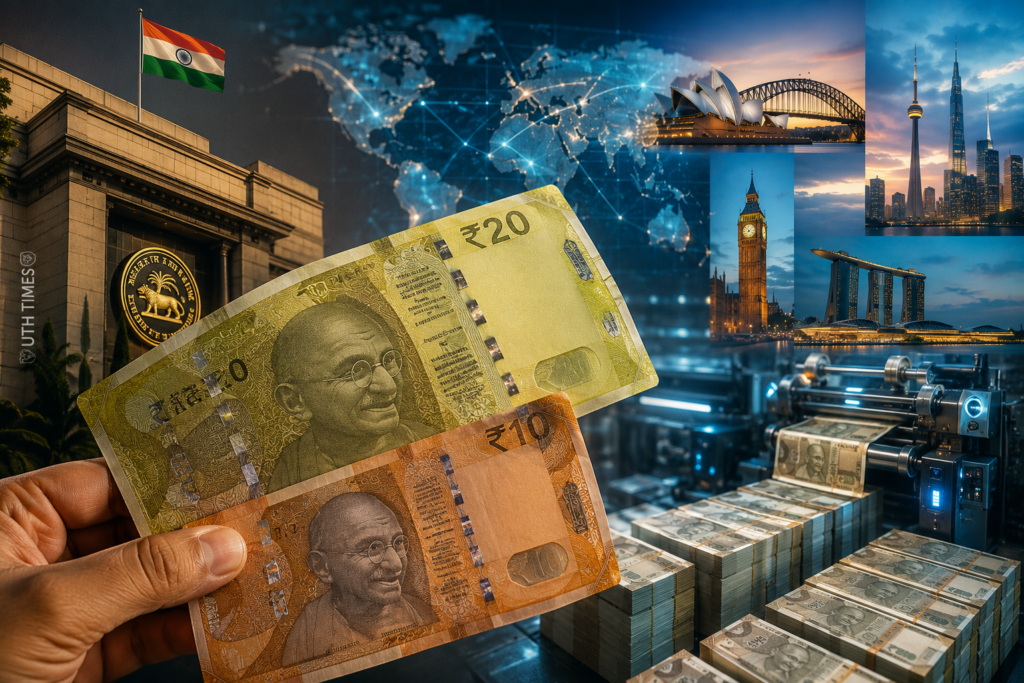
Several countries, including Australia, Canada, the United Kingdom, New Zealand and Singapore, already use polymer banknotes because of their superior durability and counterfeit resistance.
For India, where billions of currency notes change hands every day, even a modest improvement in note longevity could significantly reduce printing, transportation and replacement costs while improving the overall quality of cash in circulation.
India’s polymer note trials represent far more than a change in material—they reflect the country’s continuous effort to strengthen financial infrastructure through innovation. If the trials deliver positive results, polymer technology could become an important part of India’s future currency strategy, making everyday cash transactions safer, more durable, and better suited for the demands of one of the world’s largest cash economies.

