
In an era where cinema is often measured in box-office numbers and visual scale, some films quietly remind us of a timeless truth: a powerful story outlives an expensive spectacle. These films didn’t rely on massive budgets or visual excess. They relied on writing, character, and emotional honesty—and in doing so, they proved that storytelling remains cinema’s strongest currency.
🎬 1. 12 Angry Men (1957)
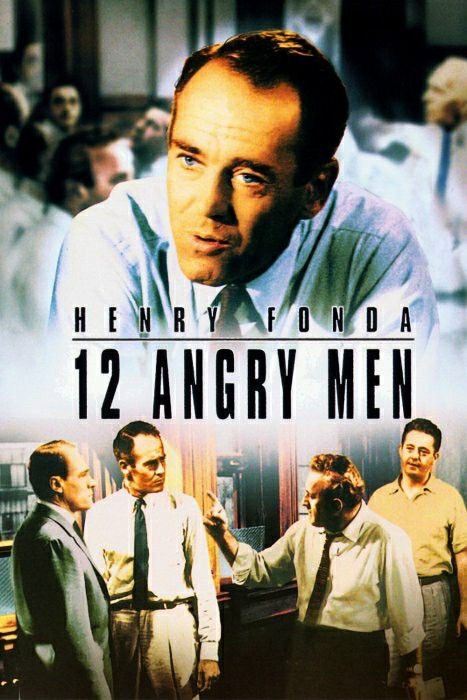
Set almost entirely inside a single room, 12 Angry Men is a masterclass in narrative tension. With no action sequences or elaborate sets, the film builds drama through dialogue, moral conflict, and shifting perspectives. Each conversation adds weight, making the audience lean in—not because of spectacle, but because of truth.
Why it works: Conflict is intellectual, not visual.
🎬 2. The Lunchbox (2013)
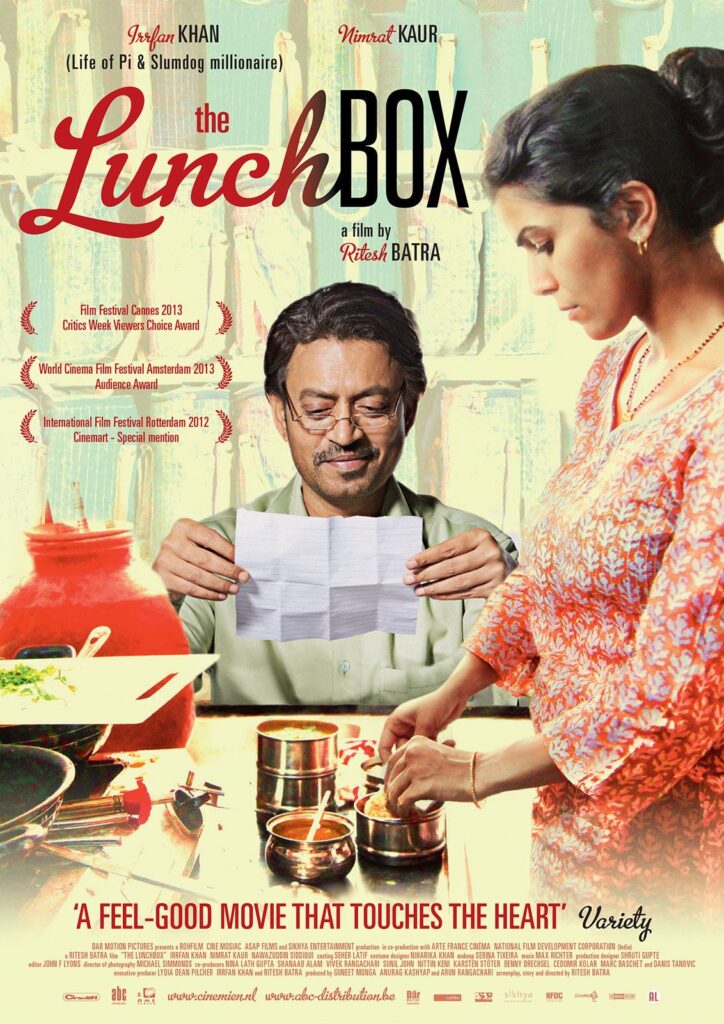
This gentle Indian drama turns misplaced lunchboxes and handwritten notes into a deeply human love story. No grand romance, no dramatic twists—just loneliness, routine, and connection unfolding quietly in Mumbai’s everyday life.
Why it works: Emotion is treated with restraint, not exaggeration.
🎬 3. Paranormal Activity (2007)

Made on a shoestring budget, this horror film didn’t depend on jump scares or CGI monsters. Instead, it used silence, suggestion, and anticipation to create fear. What the audience imagines becomes far more terrifying than anything shown.
Why it works: Fear comes from storytelling, not special effects.
🎬 4. Pather Panchali (1955)
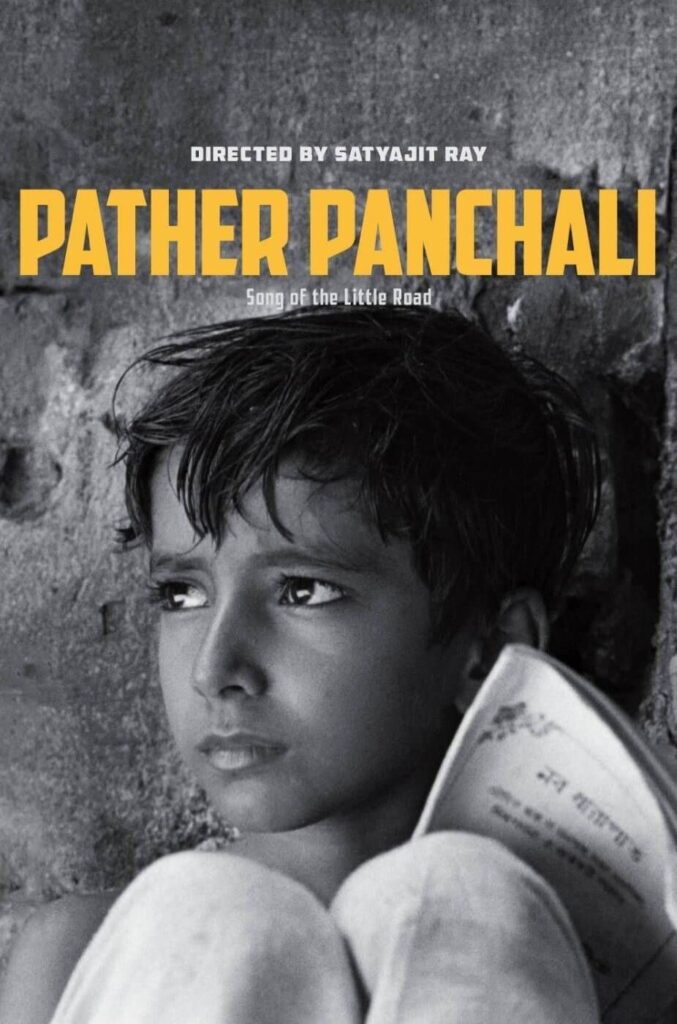
Satyajit Ray’s debut didn’t need spectacle to create impact. It captured rural Indian life with poetic realism, turning ordinary moments into profound emotional experiences. The film’s honesty resonated across cultures and generations.
Why it works: Authenticity replaces artificial drama.
🎬 5. Clerks (1994)
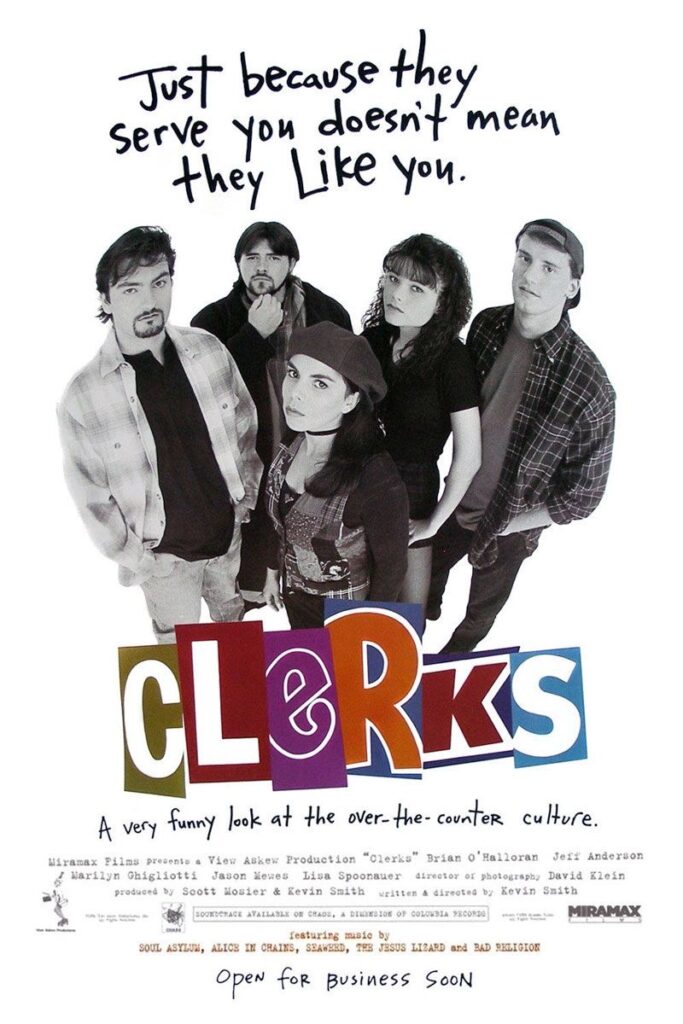
Shot in black and white inside a convenience store, Clerks transformed everyday conversations into cinema. Its humor, honesty, and rawness proved that relatable writing can compensate for almost everything else.
Why it works: Strong voice matters more than polished visuals.
🎬 6. Before Sunrise (1995)
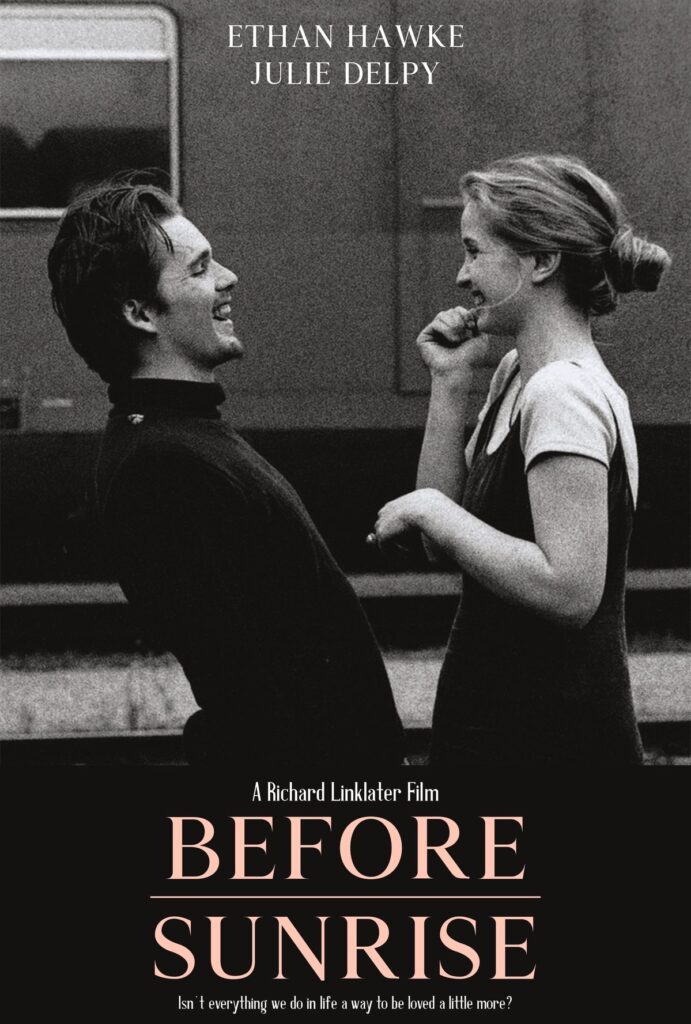
Two strangers walking and talking across Vienna—that’s almost the entire film. Yet, the conversations feel alive, intimate, and timeless. There are no dramatic stakes, only emotional ones.
Why it works: Dialogue becomes the driving force.
🎬 7. Rocky (1976)
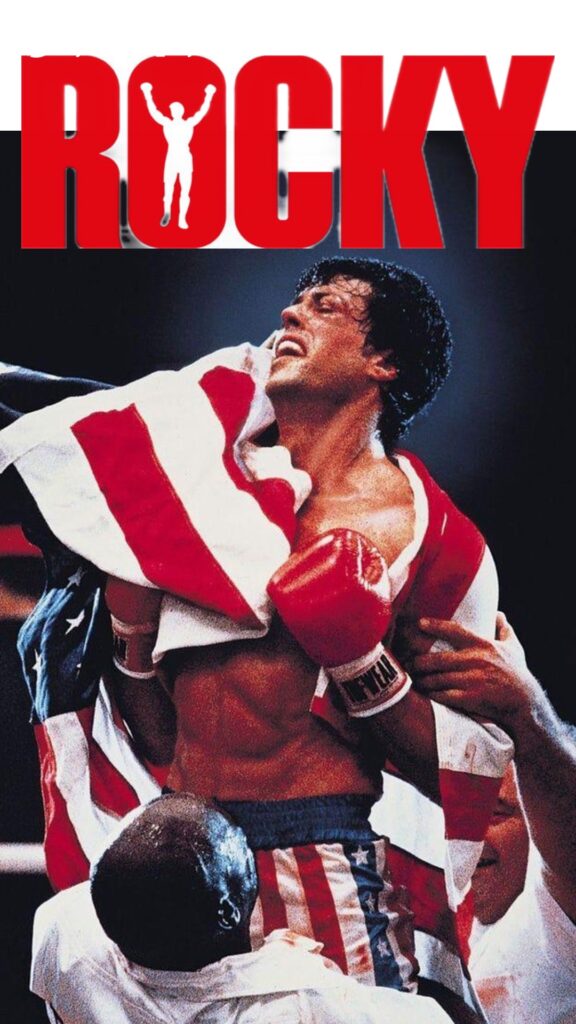
Often remembered for its boxing sequences, Rocky is actually a deeply personal story about self-worth and resilience. Made on a limited budget, the film’s emotional payoff comes from character growth, not spectacle.
Why it works: The audience roots for the person, not the prize.
🎥 Final Take
These films succeed because they respect the audience’s intelligence and emotional depth. They remind us that cinema doesn’t need excess to be effective—it needs clarity, honesty, and purpose.
When storytelling leads, budget becomes secondary. And when story is weak, no amount of money can save a film.

