
🔬 A Silent Revolution: The Beginning
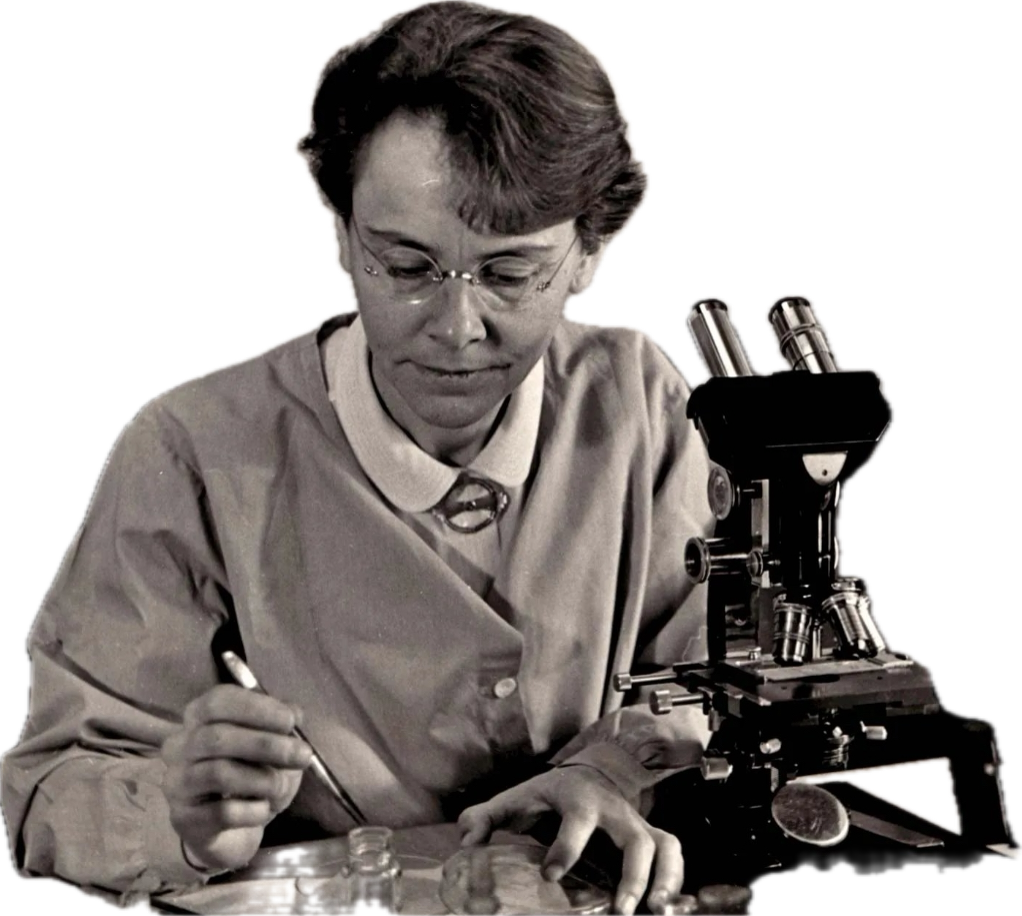
In 1931, Barbara McClintock did something that shook the foundation of science—she listened to corn. Not metaphorically, but biologically. While most scientists saw maize as a simple crop, Barbara sensed a deeper, silent intelligence within its cells. What she discovered was so radical, the world wasn’t ready. They laughed, ignored, and blacklisted her. Decades later, the same world awarded her the Nobel Prize in Physiology or Medicine in 1983. Why? Because Barbara had uncovered the true language of life.
🌽 The Corn That Spoke Back: Where It All Began
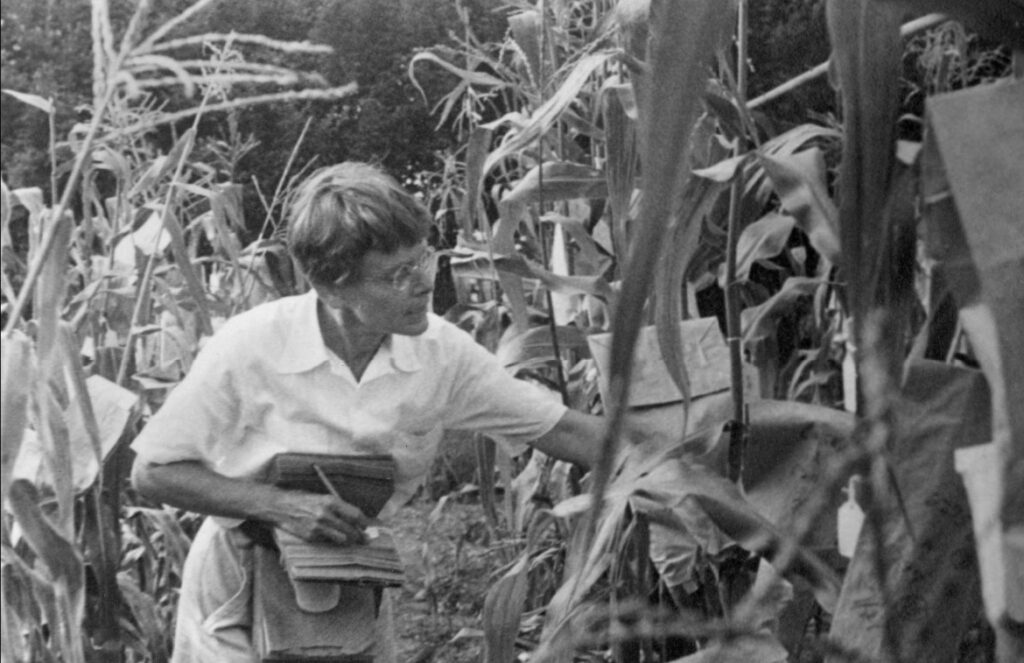
🧪 Cold Spring Harbor, New York—Barbara’s lab was a cornfield.
📊 Scientists saw genetic patterns as fixed. But Barbara saw…conversations.
🌿 She noticed color patterns on maize kernels that didn’t follow traditional genetic laws. It was as if the corn was reacting, changing its own DNA in real time.
Her bold claim:
- 🌱 Cells can sense their environment
- 🔄 DNA can change itself dynamically
- 🧠 Genes are intelligent systems, not fixed blueprints
This was biological heresy in 1951.
🚫 Rejected by Science, Accepted by Nature
💼 When she presented her data, the room went cold.
🧓 One top geneticist said, “Genes don’t move.”
🌽 Barbara simply replied, “I’m only telling you what the corn told me.”
The result?
- ❌ Blacklisted from major conferences
- 💸 Denied research funding
- 📭 No invitations, no applause
Yet she never fought back. She chose silence over the noise.
💡 Jumping Genes: The Hidden Code of Adaptation
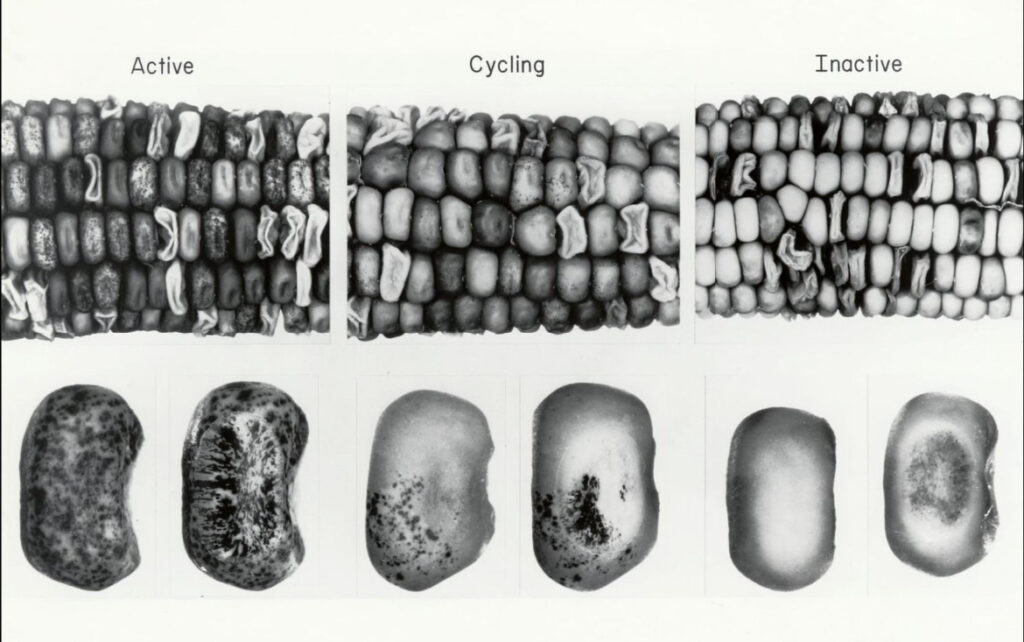
🔬 Her discovery? Transposable elements, now known as jumping genes.
🔁 These are segments of DNA that literally move within the genome, turning other genes on or off, enabling organisms to rapidly adapt to stress, threats, and change.
🧩 She proved:
- 🧬 DNA is not fixed
- 🤖 Genes behave more like AI—adapting, learning, shifting
- 🌐 Life is a living, breathing code—constantly rewriting itself
This shattered the idea of genes as lifeless instruction manuals. She uncovered an organic intelligence.
🧘 The Woman Who Listened to Life
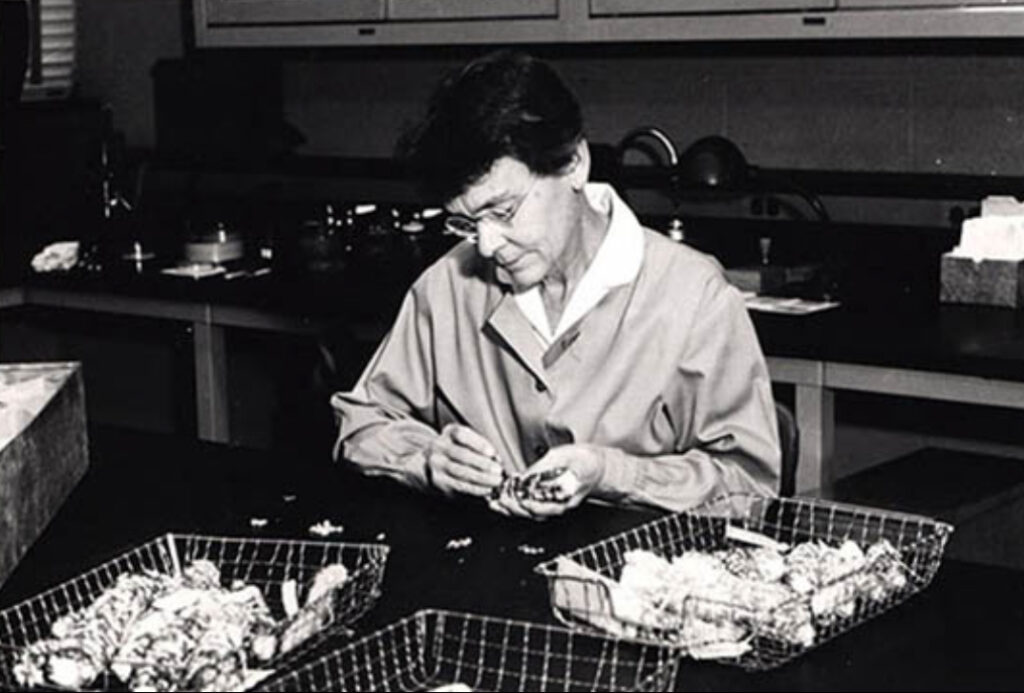
While others chased publications, Barbara chose solitude.
📖 She called her connection to cells “a feeling for the organism.”
🫀 It wasn’t data—it was intuition fused with empathy.
👩🔬 She could feel what the cells were trying to do even before microscopes revealed it.
In 1983, the world finally caught up. At age 81, Barbara McClintock received the Nobel Prize, not just for genetics—but for changing the way we understand life itself.
🌟 Final Note: A Legacy Beyond Science
Barbara didn’t just study corn—she decoded the soul of biology.
She taught us that life listens. That it responds.
And sometimes… it just takes one person crazy enough to hear it.

