
At CES 2026, the future of agriculture didn’t just arrive — it transformed. Kubota stunned the global tech and agri-innovation community by unveiling its Transformer Robot Tractor Concept, a machine that looks straight out of a sci-fi film yet is deeply rooted in real-world farming challenges. This isn’t just machinery. It’s a vision.
🚜 A Bold Reveal at CES 2026
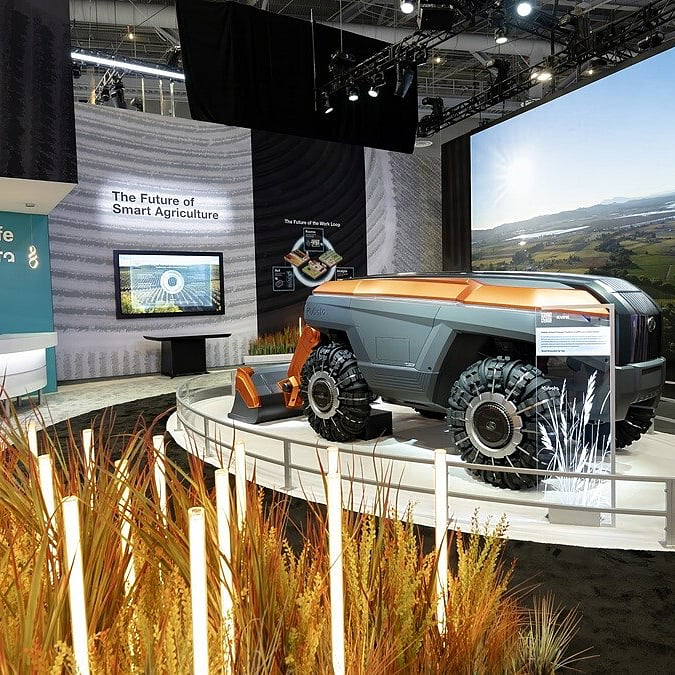
At the world’s biggest tech stage, Kubota redefined what “smart farming” truly means. Instead of incremental upgrades, Kubota introduced a shape-shifting robotic tractor capable of transforming its structure, mode, and function based on terrain, task, and environment.
This wasn’t about horsepower — it was about intelligence, adaptability, and survival in an unpredictable future.
🤖 What Makes It a “Transformer” Tractor?
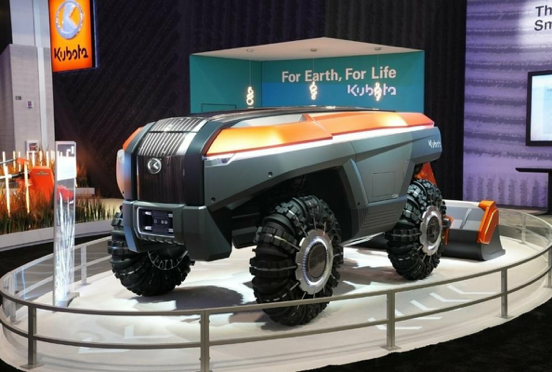
Unlike traditional tractors locked into one rigid form, Kubota’s concept can reconfigure itself physically.
🔹 Adaptive Structure – The tractor can alter its stance, wheelbase, and height to suit crops, soil types, and slopes
🔹 Multi-Mode Mobility – From wide agricultural fields to narrow plantation rows, it reshapes itself on demand
🔹 Autonomous Intelligence – Powered by AI, sensors, and real-time data processing, it can operate with minimal human input
This is not automation. This is evolution.
🌱 Designed for a Changing Planet
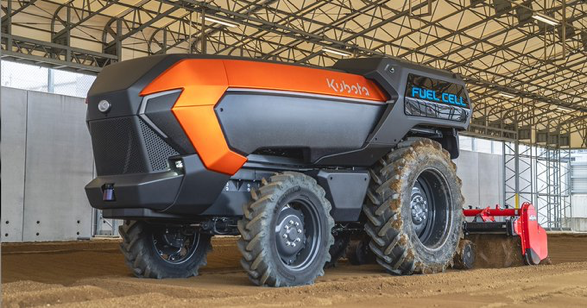
Kubota’s concept directly addresses the biggest threats to agriculture:
🌍 Climate instability
🌾 Shrinking arable land
👨🌾 Labor shortages
📉 Rising production costs
By adapting its form and function, the tractor can maintain efficiency even in extreme or unpredictable conditions — something fixed machines simply cannot do.
The tractor integrates:
🧠 Machine learning for task optimization
🛰️ Advanced sensing for soil, crop, and terrain analysis
📡 Connectivity for fleet coordination and smart farm ecosystems
It doesn’t just follow commands — it decides.
Kubota envisions this tractor as part of a larger robotic farming ecosystem, where multiple autonomous units collaborate, share data, and evolve over time. Attachments, tools, and even movement systems could be swapped or upgraded — extending lifespan and reducing waste.
🚀 Why This Concept Matters
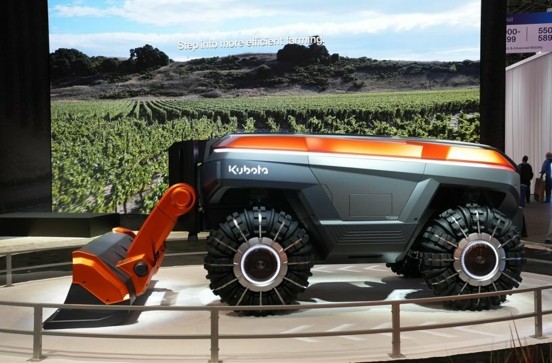
This reveal at Consumer Electronics Show signals a major shift:
Agriculture is no longer behind the tech curve — it’s leading it.
Kubota isn’t just building tractors anymore.
It’s engineering the future of food production.

