
For decades, oil has shaped economies, geopolitics, and industrial power. Today, India is no longer merely a consumer in this energy equation — it is emerging as one of the world’s most important refining and export hubs.
With petroleum product exports expected to surge by nearly 25% following Indian Oil Corporation’s massive ₹75,000 crore refining expansion, India’s position in the global energy hierarchy is entering an entirely new phase.
🌍 India Climbs the Global Energy Ladder
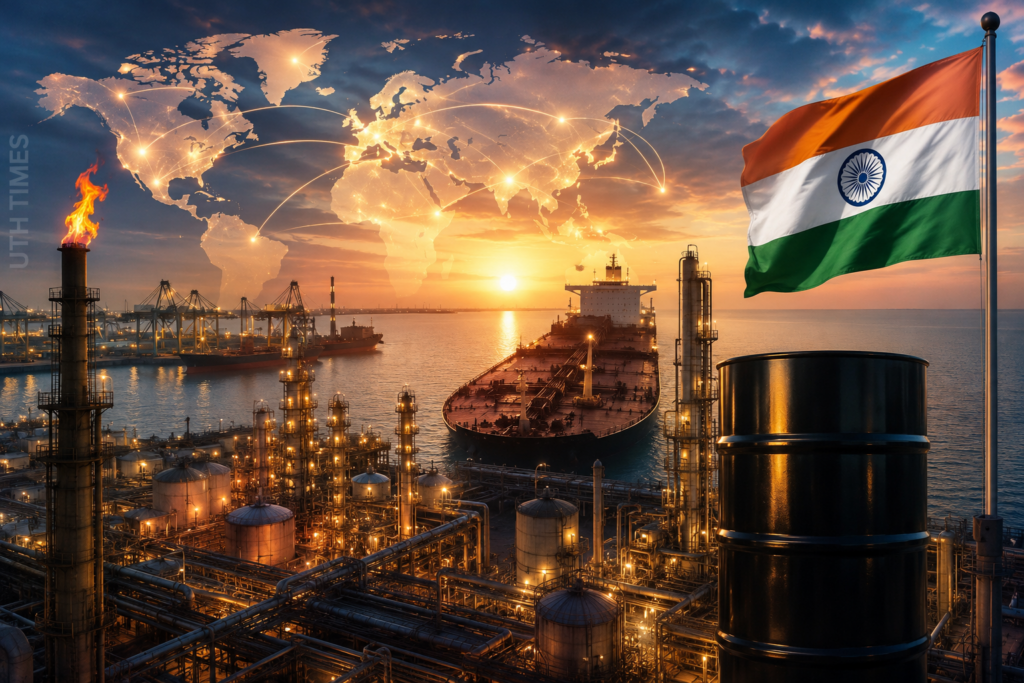
According to the latest 2024 global trade data, India has secured its place as the world’s second-largest exporter of refined petroleum products, standing behind only the United States.
🔹 United States — US$117.5 billion
🔹 India — US$70.2 billion
🔹 Netherlands — US$60.8 billion
🔹 Singapore — US$54.6 billion
🔹 South Korea — US$49.5 billion
The ranking reflects a remarkable transformation. Despite importing most of its crude oil requirements, India has mastered the art of converting imported crude into high-value fuels and petrochemical products for international markets.
🏭 The ₹75,000 Crore Bet on India’s Energy Future
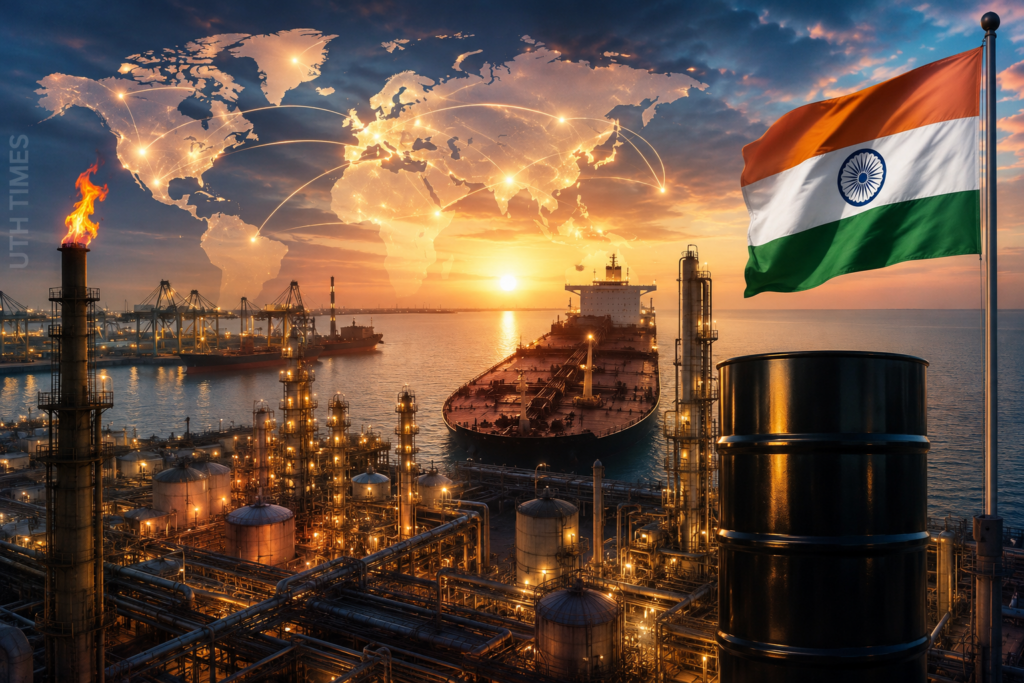
Indian Oil Corporation’s planned investment represents one of the largest refining expansion programmes in the country’s history.
🚀 New refining capacity will significantly increase output.
🚀 Modernisation projects will improve efficiency and product quality.
🚀 Advanced refining technologies will enable production of cleaner fuels aligned with global environmental standards.
🚀 Export competitiveness is expected to strengthen across Asia, Africa, and Europe.
The expansion signals India’s intention to become not just a major refiner, but a long-term energy processing powerhouse.
🌐 Why India’s Refining Model Is Different

Unlike traditional oil-exporting nations that depend heavily on domestic crude production, India has built a highly flexible refining ecosystem.
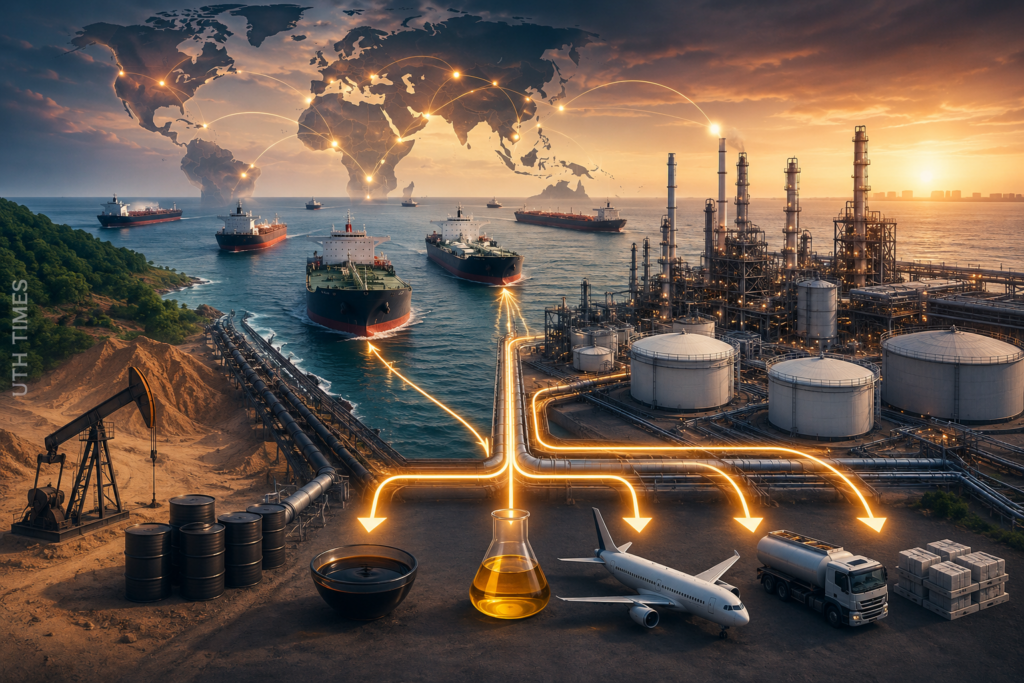
⚡ Crude oil is sourced from multiple regions including the Middle East, Russia, Africa, and the Americas.
⚡ Refineries process diverse crude grades depending on market conditions.
⚡ Finished fuels such as diesel, petrol, aviation turbine fuel, and petrochemicals are then exported worldwide.
This flexibility gives India an important strategic advantage during periods of geopolitical uncertainty and supply disruptions.
📈 More Than Exports — A Strategic Asset
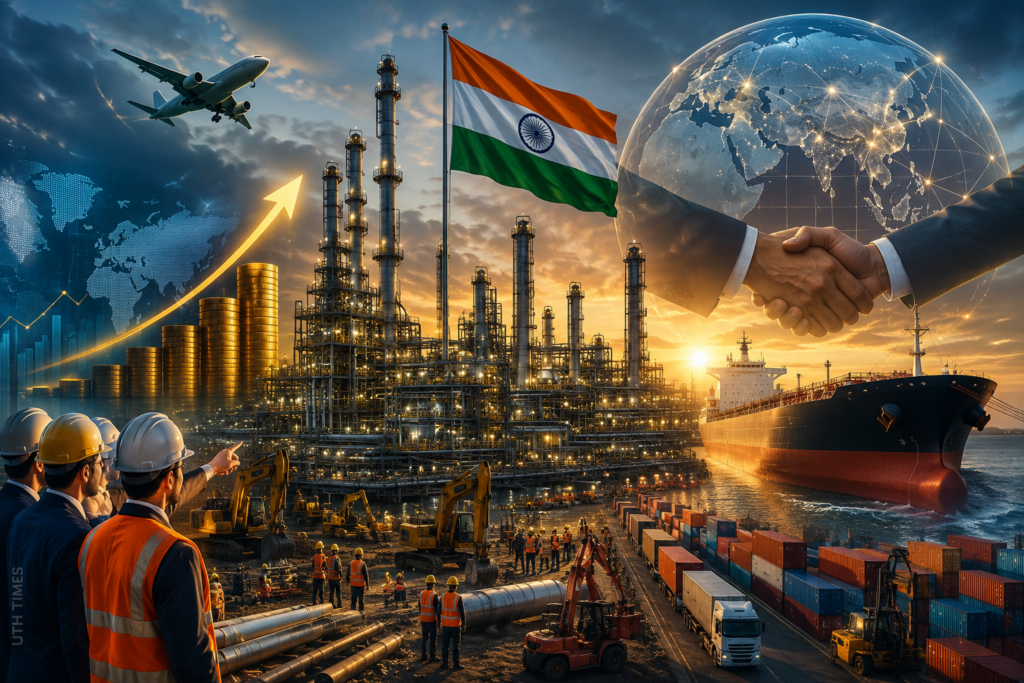
The refining industry has evolved into far more than a trade sector.
💰 Higher export earnings strengthen foreign exchange reserves.
🏗️ Expansion projects create thousands of direct and indirect jobs.
🚢 Growing export volumes enhance India’s position in global shipping and logistics networks.
🌏 Energy trade increasingly translates into geopolitical influence and strategic partnerships.
As supply chains become more fragmented worldwide, countries capable of refining at scale gain far greater economic leverage.
🔥 The Next Chapter of India’s Energy Story
India’s rise in refined petroleum exports is not simply an industrial achievement.
It reflects the emergence of a nation transforming imported energy into global economic strength.
If the current expansion cycle succeeds, India may soon move from being the world’s refinery hub of Asia to one of the defining energy powers of the twenty-first century.

