
India is on the verge of another significant leap in military modernisation as the Defence Acquisition Council (DAC), chaired by Defence Minister Rajnath Singh, is expected to approve a series of high-value defence procurement proposals. The package is aimed at strengthening India’s strike power, air defence network, surveillance capability and battlefield readiness while accelerating the country’s Make in India defence ambitions. The proposed acquisitions are collectively estimated to be worth over ₹1 lakh crore, making them one of the biggest defence approval packages in recent times. Rajnath Singh
🚀 Precision Firepower Gets a Massive Boost
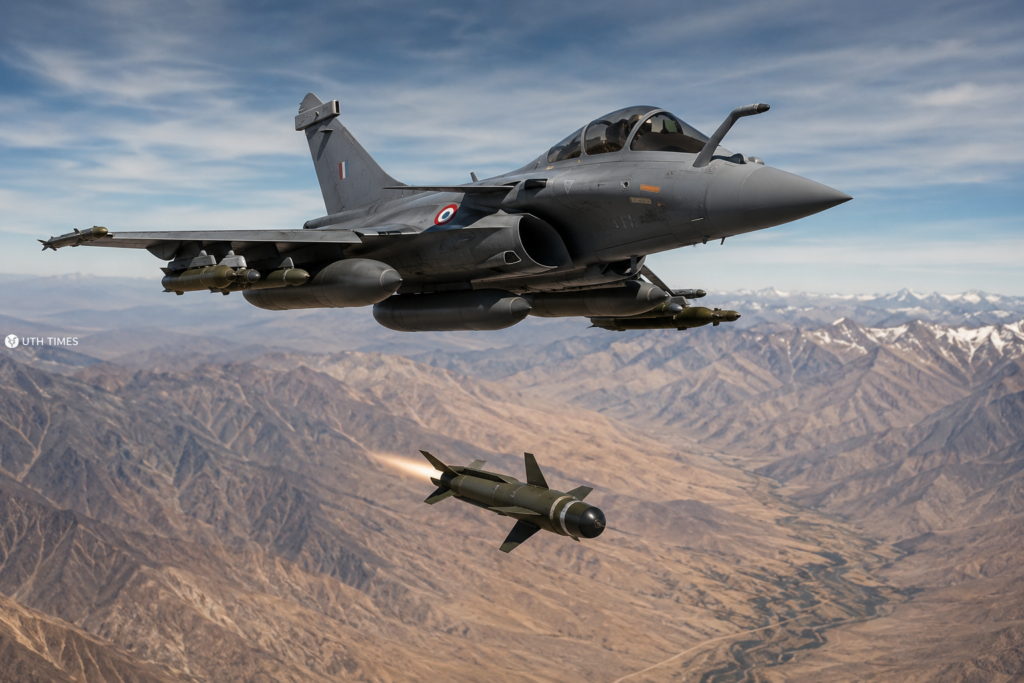
Among the biggest proposals is the procurement of 600 HAMMER (Highly Agile Modular Munition Extended Range) precision-guided air-to-ground munitions.
🔹 These smart weapons are expected to equip the Rafale, LCA Tejas, and naval Rafale-M fighter aircraft.
🔹 The weapons were first inducted after the 2020 Galwan crisis and have proven their ability to strike heavily protected targets with exceptional accuracy under all-weather conditions.
🔹 The proposal also aligns with the Make in India initiative, with manufacturing expected through an Indian partnership, reducing dependence on foreign imports while expanding domestic defence production.
🛡️ Stronger Shield for the Indian Army
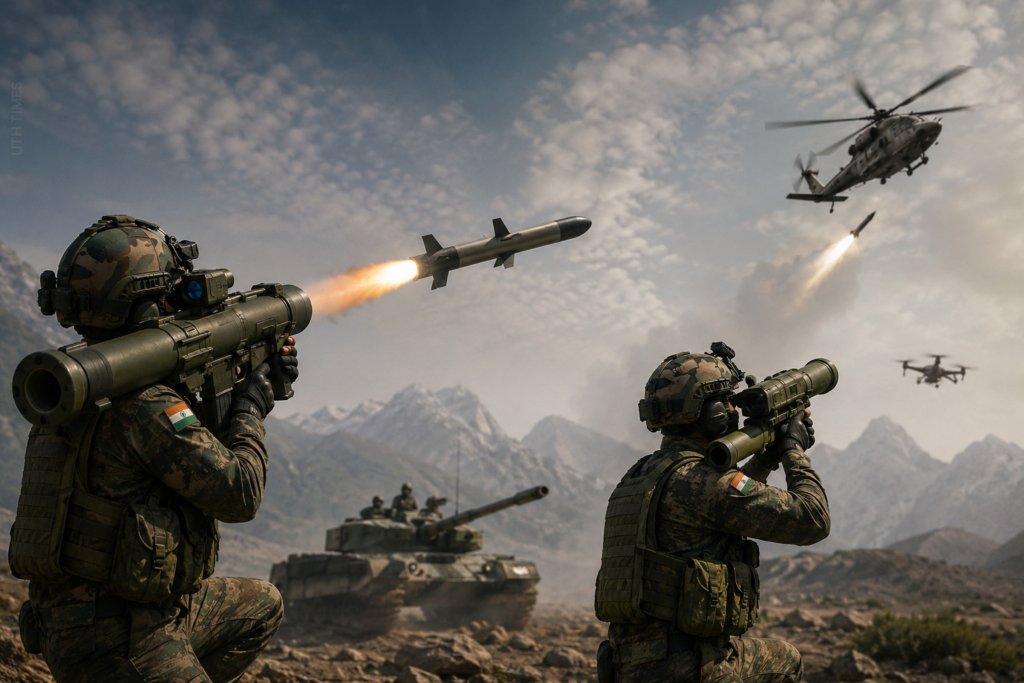
The DAC is also likely to clear several systems designed to strengthen India’s defensive capabilities.
🔹 MP-ATGM (Man-Portable Anti-Tank Guided Missile): Developed by DRDO, the proposal includes 100 launchers, 2,300 missiles and five simulators, giving infantry units a highly mobile weapon against enemy tanks and armoured vehicles.
🔹 Verba V-SHORADS: These advanced shoulder-fired air defence missiles will significantly improve protection against low-flying aircraft, helicopters and drones, replacing older-generation systems with faster and more accurate interception capability.
🛰️ The Future Battlefield: Eyes in the Sky

The proposals go beyond conventional weapons.
🔹 Pseudo Satellites (High-Altitude Platform Systems) are expected to provide long-endurance intelligence, surveillance and reconnaissance capabilities while remaining airborne for extended periods.
🔹 Naval Shipborne Aerial Systems will strengthen maritime surveillance, reconnaissance and operational awareness, enabling the Indian Navy to detect and respond to threats much earlier across the Indian Ocean Region.
🔹 Other proposals reportedly include software-defined radios, drone detection systems, loitering munitions and upgrades for submarine capabilities, reflecting India’s growing emphasis on network-centric warfare and advanced military technologies.
🇮🇳 More Than Weapons—A Strategic Message

The expected approvals represent far more than routine procurement. They signal India’s determination to build a technologically advanced, self-reliant and combat-ready military capable of addressing modern security challenges across land, air and sea. With indigenous production taking centre stage and next-generation technologies entering the armed forces, the DAC meeting could mark another defining milestone in India’s long-term defence transformation.

