
For centuries, humans have searched for the secret to a longer life — from ancient herbal remedies to modern genetic engineering. Now, scientists believe the answer might be hidden deep within the oceans. Research into whales, the longest-living mammals on Earth, has revealed a fascinating biological secret: a unique protein that protects their cells from aging and disease.
If scientists can understand and replicate this mechanism, the implications for human longevity could be revolutionary — potentially extending human lifespans far beyond what was once thought biologically possible.
🐋 Why Whales Live So Long
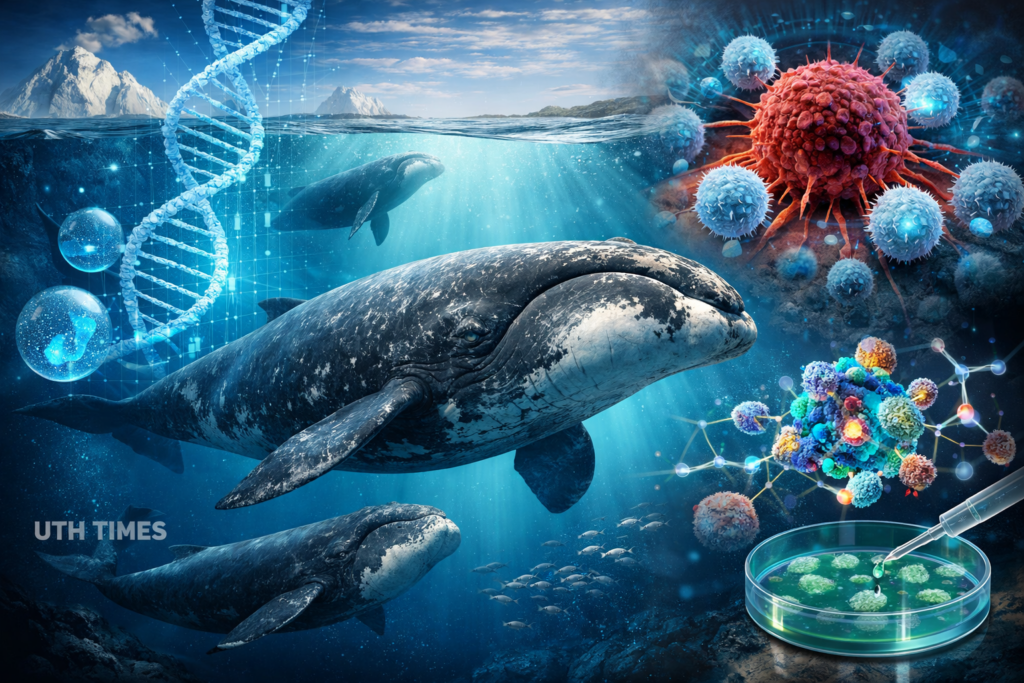
Whales are extraordinary creatures not just because of their size but also their lifespan. Some species, particularly the bowhead whale, can live for over 200 years, making them one of the longest-living mammals known to science.
Scientists studying whale genomes discovered that these animals possess powerful biological defenses against aging.
🔬 Key discoveries include:
🧬 Enhanced DNA repair systems – Whale cells can repair genetic damage far more efficiently than human cells. This prevents mutations that normally accumulate with age.
🛡️ Cancer resistance mechanisms – Despite having trillions of cells, whales rarely develop cancer. Researchers believe specialized proteins suppress abnormal cell growth.
⚡ Unique longevity proteins – Certain proteins found in whales regulate inflammation, protect cells from stress, and slow down biological aging.
These mechanisms allow whales to maintain healthy cells for centuries without the usual deterioration seen in humans.
🧬 The Protein That Fascinates Scientists
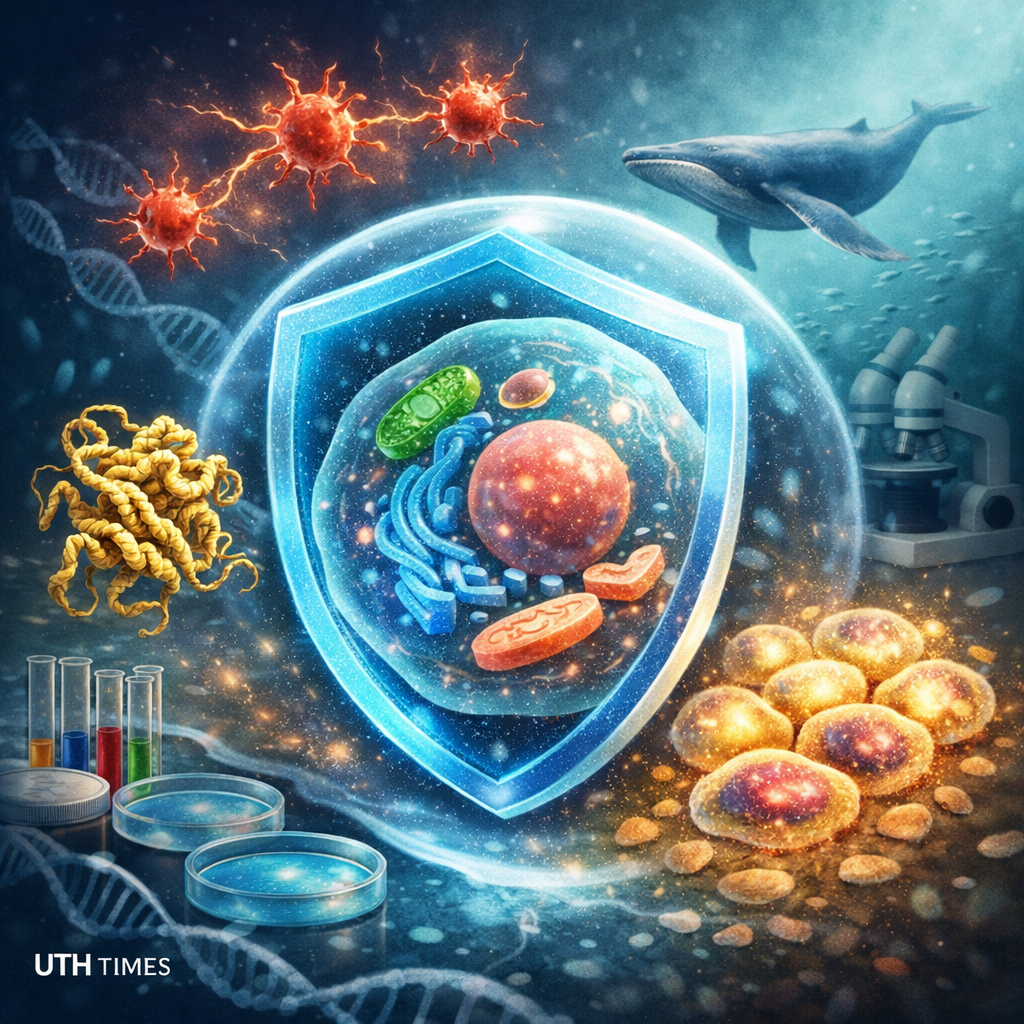
One particular protein has captured the attention of longevity researchers. This protein helps regulate cellular stress responses, preventing damage caused by toxins, inflammation, and metabolic processes.
In simple terms, it acts like a biological shield, protecting cells from the wear and tear that normally shortens lifespan.
Researchers believe this protein works by:
🧪 Stabilizing cellular structures – preventing protein misfolding that leads to diseases such as Alzheimer’s.
🧫 Reducing oxidative stress – slowing down the chemical reactions that damage cells over time.
🧠 Improving tissue regeneration – helping cells repair themselves more efficiently.
Early laboratory studies suggest that introducing whale-inspired genetic mechanisms into human cells can significantly increase their resistance to aging-related damage.
🚀 What This Means for the Future of Humanity
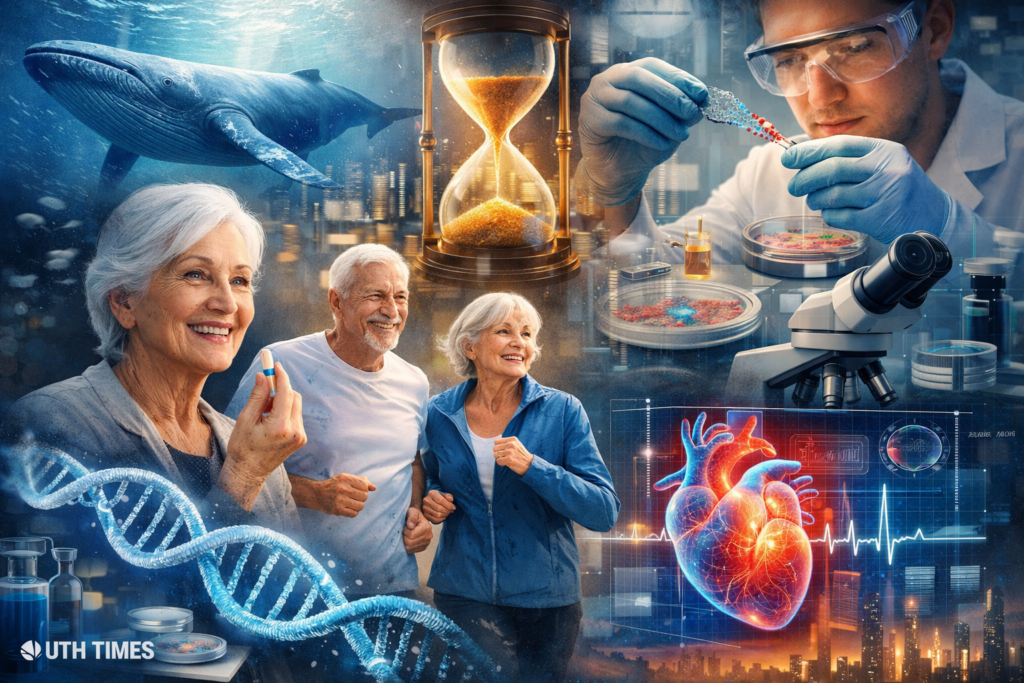
If scientists can successfully replicate or mimic these whale proteins, the future of medicine could transform dramatically.
Potential breakthroughs include:
💊 Longevity therapies that delay aging by decades
🧬 Genetic treatments that prevent age-related diseases
❤️ Healthier, longer lifespans potentially approaching 150–200 years
Researchers emphasize that this science is still in early stages, but the discoveries have already reshaped how scientists think about aging.
The Ocean’s Secret to Human Longevity
Nature often hides its greatest innovations in unexpected places. Whales, silent giants of the ocean, may hold the blueprint for extending human life far beyond current limits.
As biotechnology advances, the dream of dramatically longer — and healthier — human lives may no longer belong only to science fiction.

