
Meta Description: Discover the majestic ruins of the 1200-year-old Martand Sun Temple in Anantnag, Jammu & Kashmir — a masterpiece of ancient Kashmiri architecture dedicated to the Sun God, radiating timeless beauty and divine power.
Nestled amidst the snow-kissed peaks of Anantnag in Jammu & Kashmir stands a silent marvel — the Martand Sun Temple, a 1200-year-old architectural wonder that once shimmered under the glory of the Sun God, Surya. Though now in ruins, every stone whispers the tale of a kingdom that once blended faith, art, and power in divine harmony.
🛕 The Temple of the Rising Sun
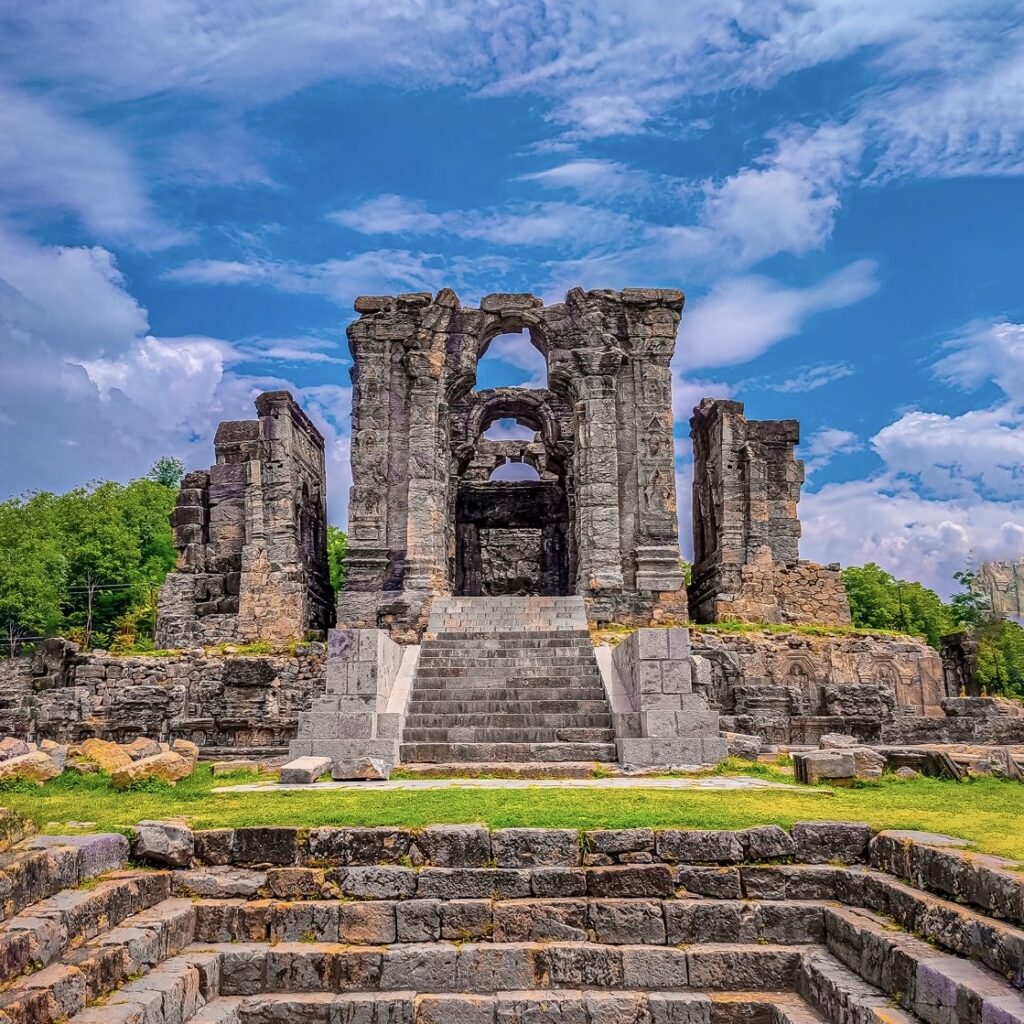
Built in the 8th century CE by King Lalitaditya Muktapida of the Karkota Dynasty, the Martand Sun Temple was not merely a shrine — it was a symbol of celestial supremacy. Perched at an altitude of over 2200 meters, it commanded a panoramic view of the entire Kashmir Valley, symbolizing the Sun’s divine oversight upon the land.
The temple was dedicated to Surya, the Hindu Sun God, and its design mirrored the cosmic radiance it worshipped. The grand courtyard surrounded by 84 subsidiary shrines reflected the solar cycle, marking an advanced understanding of astronomy and sacred geometry that flourished in ancient India.
🧱 Architectural Brilliance Beyond Time
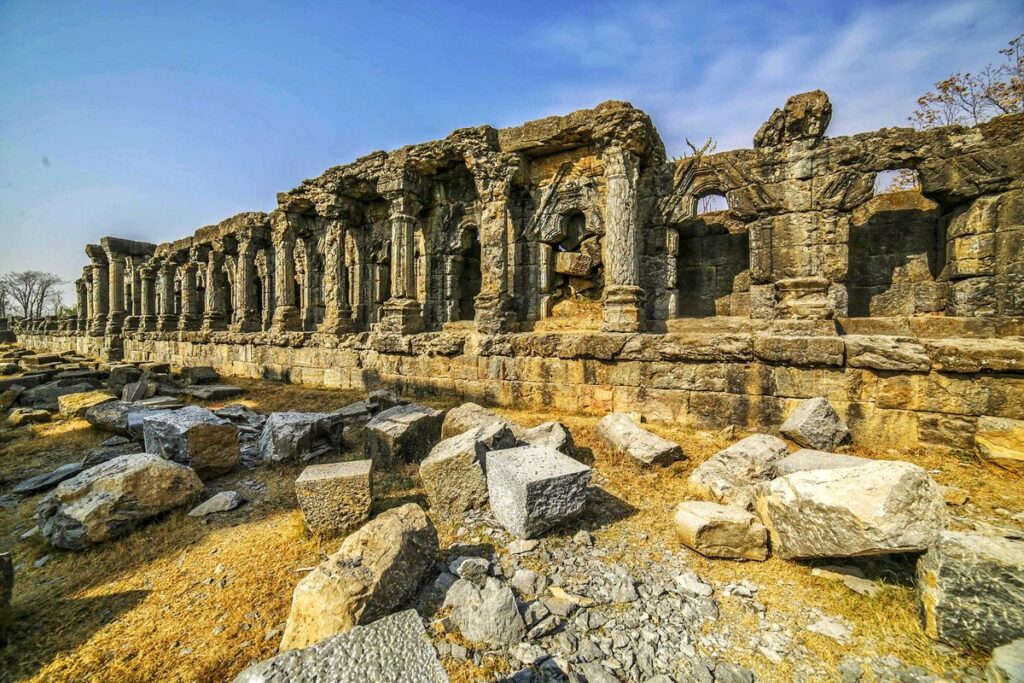
✨ The Martand Temple fused Gandhara, Gupta, and Kashmiri architectural styles, making it one of the earliest examples of Hindu temple architecture in the Himalayas.
✨ Built with massive grey limestone blocks, it featured tall colonnades, carved arches, and intricate motifs representing celestial beings.
✨ The sanctum sanctorum once held a radiant idol of Surya riding his seven horses, symbolizing light conquering darkness.
Even in its ruined form, the temple radiates a mystical symmetry, as if time itself bows before its perfection. Historians regard it as one of India’s greatest architectural achievements — a precursor to later temple designs across North India.
⚔️ The Fall of a Golden Era
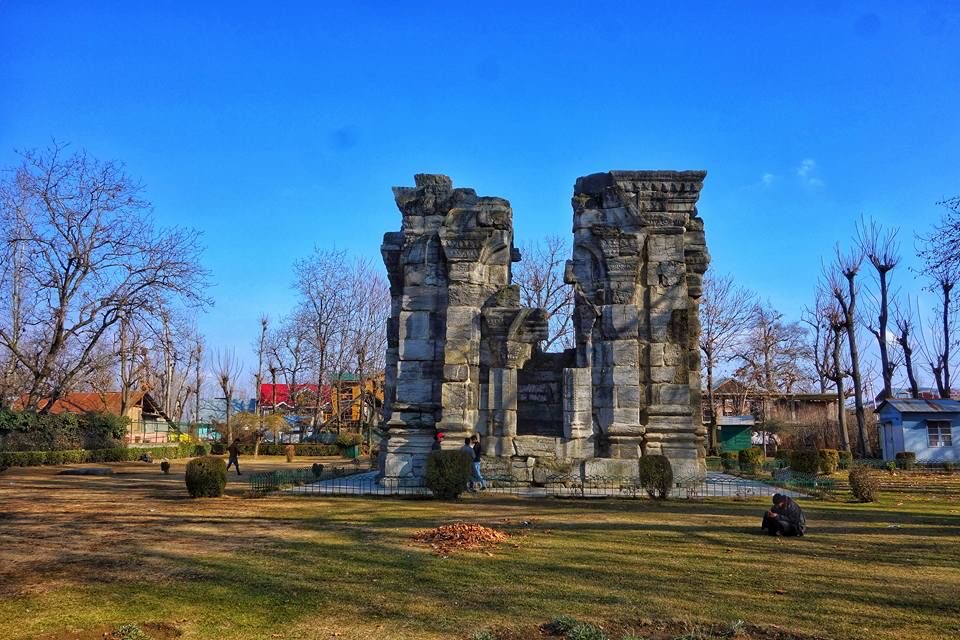
The Martand Temple met its tragic fate during the 15th century when it was destroyed under Sultan Sikandar’s rule, marking the fall of a golden age of Kashmiri Hindu art. Yet, despite centuries of neglect and invasions, the ruins still echo chants of forgotten prayers. The temple’s surviving pillars and arches stand defiantly, a symbol of resilience, faith, and heritage.
🌅 Conclusion
The Martand Sun Temple is not just an archaeological relic — it is a living chronicle of India’s spiritual and artistic radiance. Amidst the ruins of Anantnag, the Sun still rises every morning, touching the temple’s stones with golden light — as if reminding the world that civilizations may crumble, but divinity endures forever. ☀️

