
When we talk about Indian history, names like the Mauryas, Guptas, and Mughals usually dominate the conversation. But India’s past is much deeper, layered with dynasties that left behind art, architecture, philosophy, and innovations — only to fade into obscurity.
Here are five forgotten Indian dynasties that shaped history but rarely make it into textbooks:
1. Satavahanas (1st century BCE – 2nd century CE)
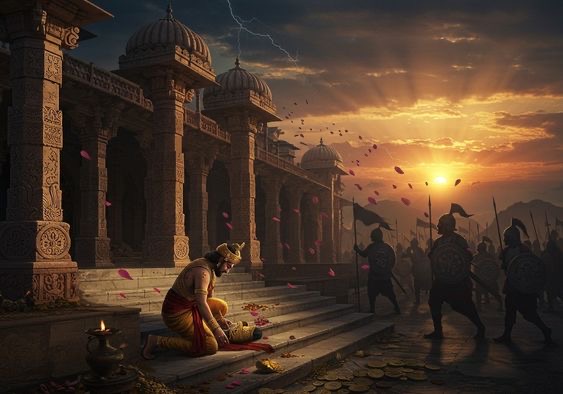
- Rulers of the Deccan, they acted as a bridge between northern and southern India.
- Known for supporting Prakrit literature and Buddhist art, including the Ajanta caves.
- Played a crucial role in Indian trade with the Roman Empire.
2. Rashtrakutas (8th – 10th century CE)
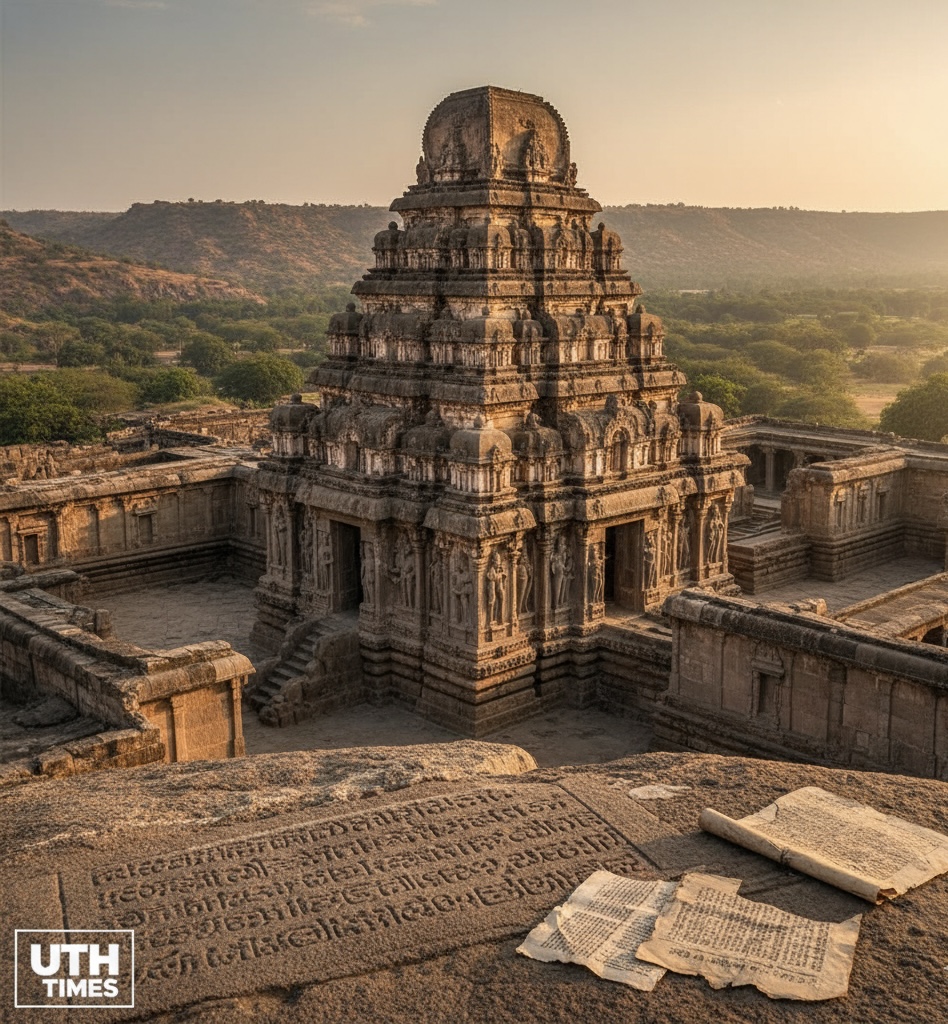
- Based in the Deccan, they ruled large parts of India during their peak.
- Builders of the Kailasa Temple at Ellora, carved entirely out of a single rock.
- Pioneers of Kannada and Sanskrit literature, producing timeless works.
3. Pallavas (4th – 9th century CE)
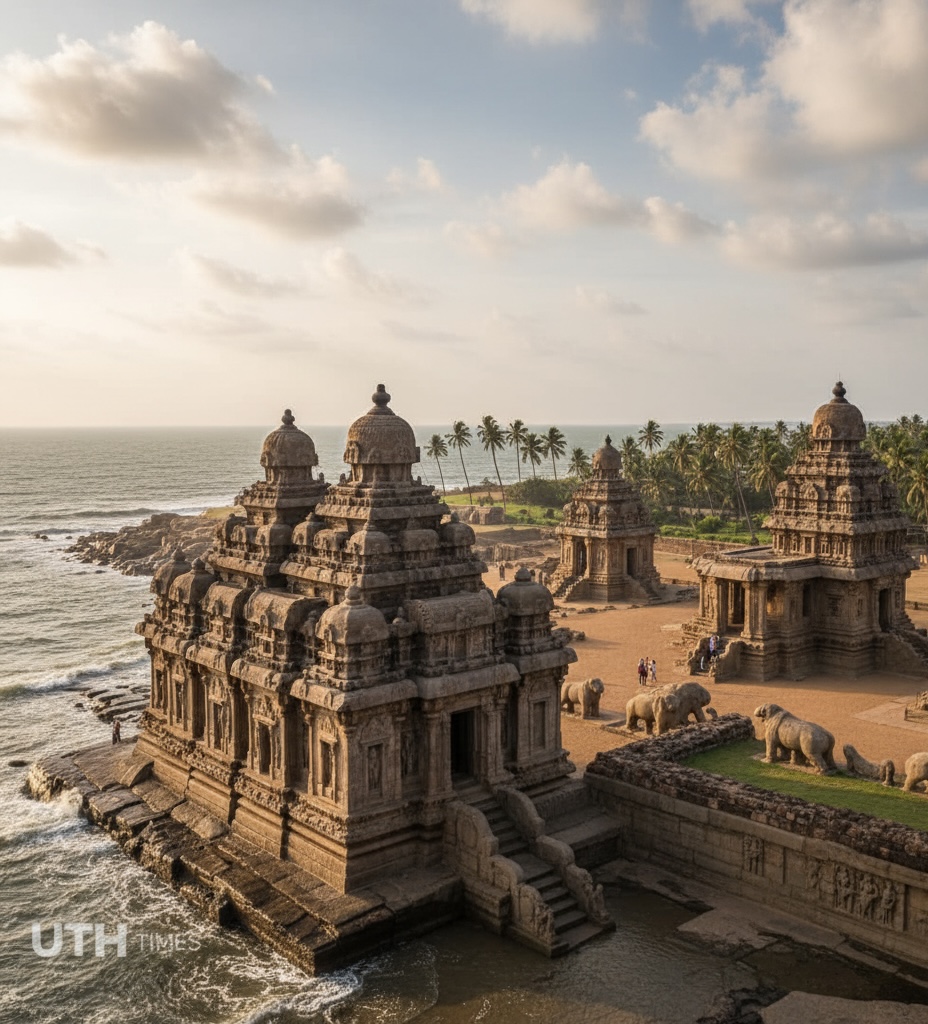
- Dominated South India, especially Tamil Nadu.
- Left behind breathtaking rock-cut temples of Mahabalipuram, now a UNESCO site.
- Known for spreading Indian art and architecture to Southeast Asia.
4. Ahom Dynasty (13th – 19th century CE)
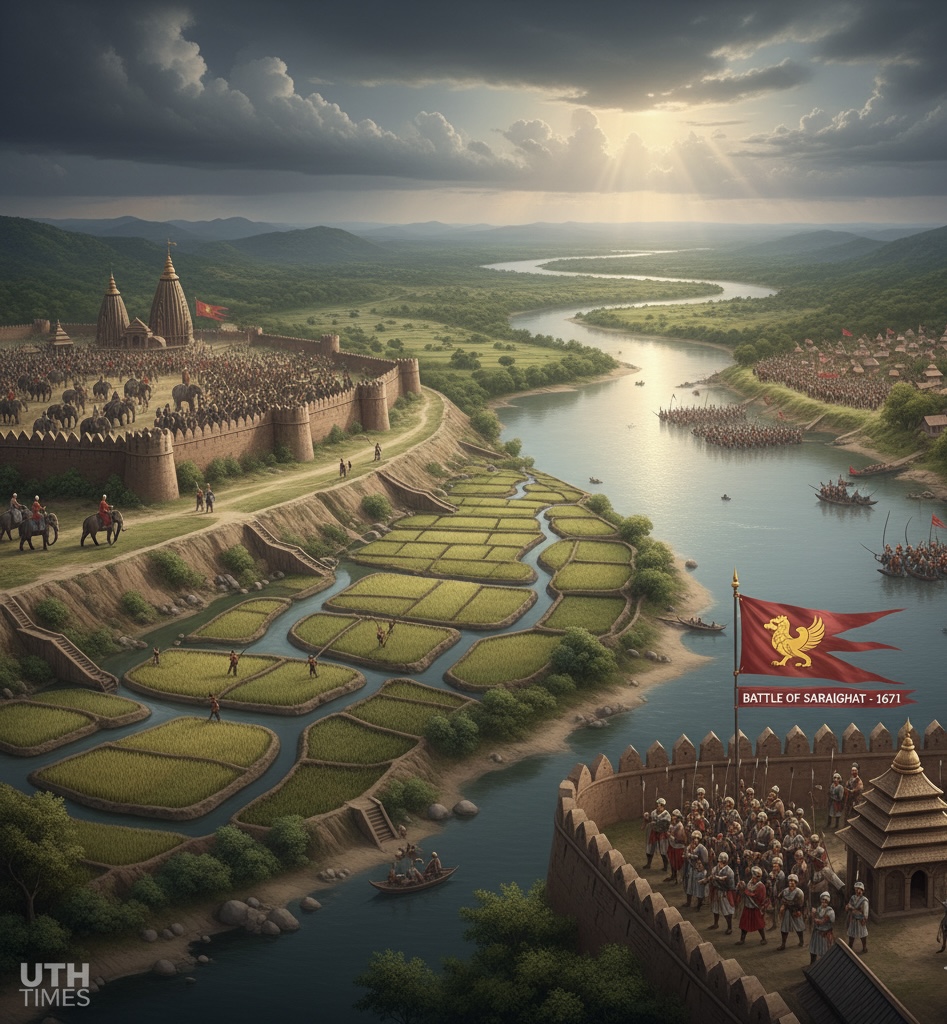
- Ruled Assam for nearly 600 years — longer than the Mughals in Delhi.
- Known for resisting repeated Mughal invasions, most famously at the Battle of Saraighat (1671).
- Introduced advanced water management and agriculture in the Brahmaputra Valley.
5. Chalukyas (6th – 12th century CE)
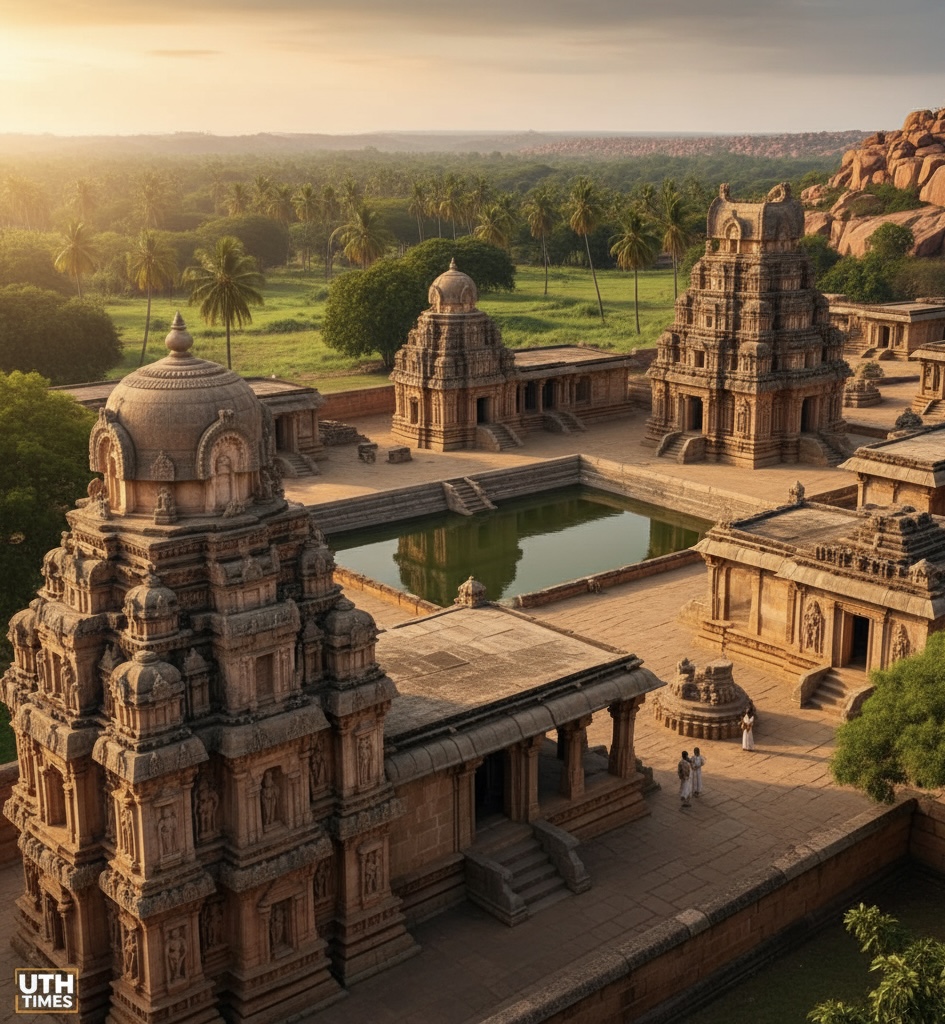
- Rulers of Karnataka, known for blending Nagara (North Indian) and Dravidian (South Indian) temple styles.
- The temples at Aihole, Badami, and Pattadakal reflect their golden age.
- Helped create the foundation for later South Indian empires like the Cholas.
✨ Final Thought
These dynasties may not enjoy the same fame as the Mauryas or Mughals, but their architecture, literature, and governance left a lasting mark on India. Remembering them is not just about history — it’s about rediscovering the roots of our culture and identity.

