
In 150 AD, the quiet hills of Junagadh witnessed a catastrophe so intense that it etched itself forever into stone. Known from the Junagadh Inscription of Rudradaman-I, this disaster marks one of the earliest epigraphic records of a natural calamity in India. Let’s journey back to that fateful day.
🌊 The Day the Storm Ravaged Junagadh
The first day of the dark half of Margashirsha (December 5–6, 150 AD) opened with ominous clouds. As ancient texts narrate, a massive storm churned water and wind with destructive force.
- 🌩️ “Tore down hill-tops, trees, banks, turrets” — the inscription vividly describes nature’s wrath.
- 🌀 The storm left “everything scattered & broken to pieces,” a poetic yet tragic testament to its magnitude.
This was not merely a heavy downpour; it was a mega-calamity, rare enough to be etched into history.
🌧️ Rains that Swelled the Rivers
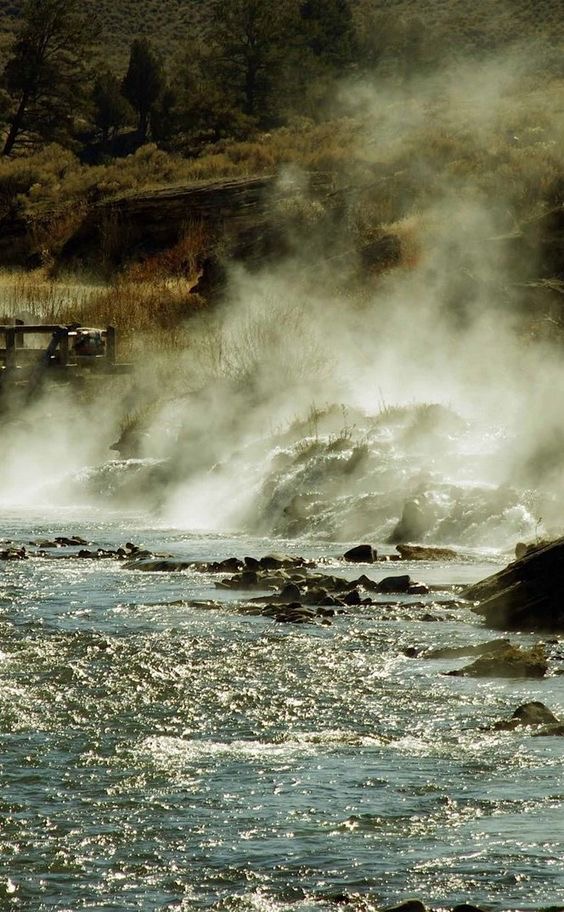
The fury of the storm fed nearby rivers—Suvarnasikata and Palasini—turning them into raging torrents.
- 🌊 These swollen rivers struck at Mount Urjayat, whose dam collapsed under pressure.
- 🚨 The breach sent water surging uncontrollably towards the plains below.
This was a domino effect — a storm, flooding rivers, and finally, the collapse of a critical dam.
🏞️ The Sudarshan Lake Breach: A 214-Metre Catastrophe

At the heart of the tragedy stood Sudarshan Lake, an engineering marvel ordered by Chandragupta Maurya some 450 years earlier.
- 💧 Built to irrigate and enrich the region, the lake symbolized prosperity.
- 🌊 But the disaster ripped a 214-metre-long breach in its embankment.
- 🏚️ All its waters escaped violently, flooding nearby settlements and wiping out years of stability.
This was one of the most devastating hydrological failures recorded in ancient India.
🛠️ Rebuilding After Destruction
Despite the chaos, recovery followed. The lake was reconstructed by Suvishaka, minister of Rudradaman-I, proving the resilience of ancient Indian administration.
- 🏗️ This wasn’t just rebuilding; it was an act of continuity and governance, ensuring irrigation and survival of communities.
Such reconstruction highlights how ancient rulers saw water infrastructure as lifelines — not mere projects.
🗿 Why This Inscription Matters Today
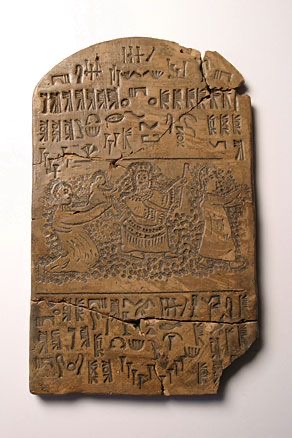
The Junagadh Inscription of Rudradaman-I is more than a royal record. It’s:
- 📜 India’s earliest known epigraphic record of a natural disaster.
- 🌍 A testimony to climate, environment, and infrastructure challenges in antiquity.
- 💡 A reminder of the fragility and resilience of human systems against nature’s power.
Conclusion
This 150 AD catastrophe at Junagadh wasn’t just a historical footnote; it was a warning echoing across centuries. Even today, as we confront floods and dam breaches, the story of Sudarshan Lake stands as an ancient mirror to our modern vulnerabilities.

