
Cities rise, flourish, and sometimes vanish—leaving behind ghostly ruins that whisper stories of their lost glory. These abandoned cities, once alive with trade, laughter, and culture, now stand silent as if time itself stopped. 🌍⏳
🏛️ 1. Pompeii, Italy – Buried in Fire and Ash
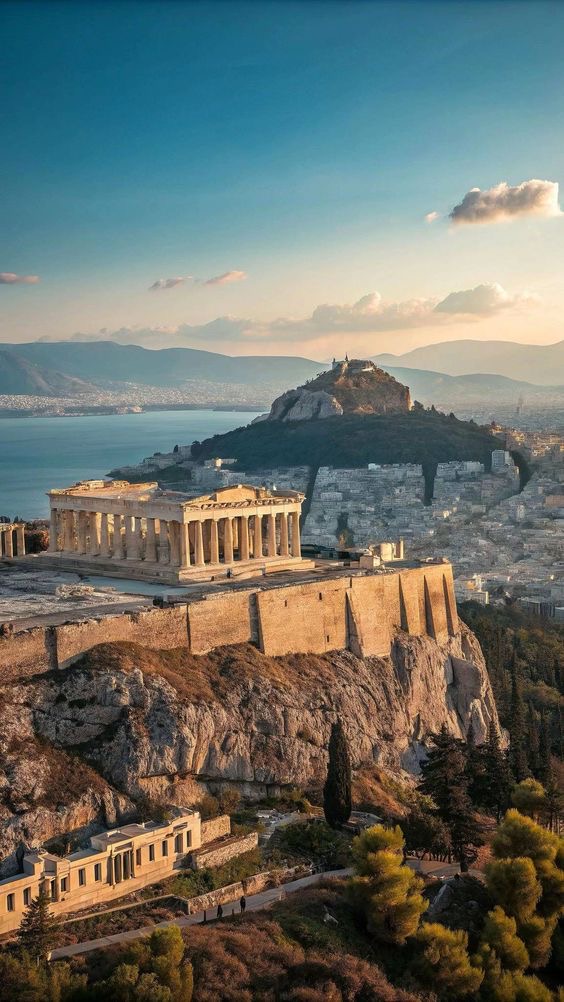
In 79 CE, Mount Vesuvius erupted, showering Pompeii in molten ash and pumice. Thousands were trapped instantly, their final moments preserved in chilling casts. Today, walking through Pompeii feels like stepping into a snapshot of Roman life—homes, frescoes, and even bread loaves remain eerily intact.
🏜️ 2. Petra, Jordan – The Rose-Red City Lost in Sand

Carved directly into pink sandstone cliffs, Petra was once a thriving Nabataean trade hub. But changing trade routes and earthquakes led to its decline. For centuries, it lay hidden until rediscovered in the 1800s. Its dramatic façades, like Al-Khazneh (“The Treasury”), still radiate an eternal mystique.
🌲 3. Machu Picchu, Peru – The Incan City in the Clouds
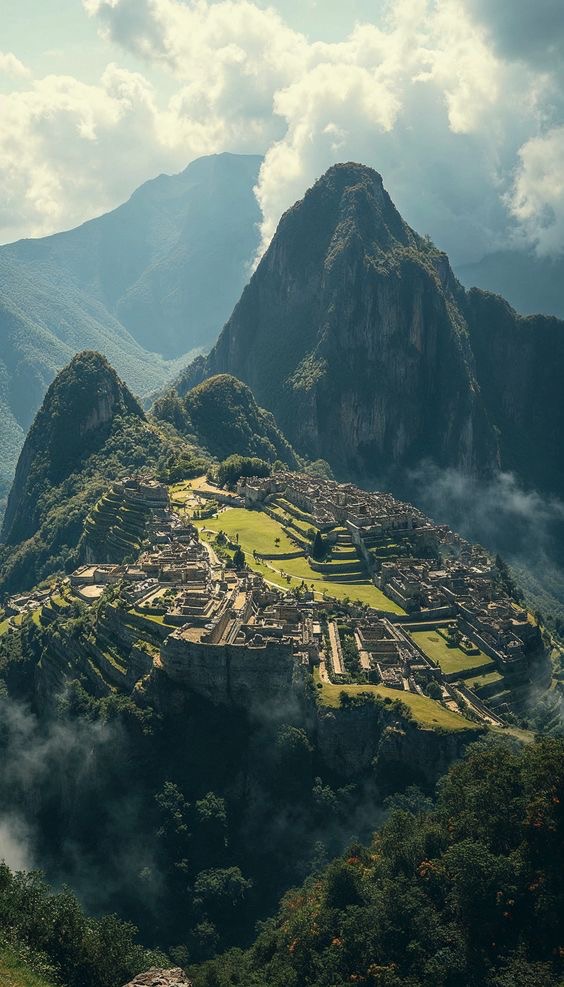
High in the Andes, Machu Picchu was mysteriously abandoned by the Incas around the 16th century. Spanish conquistadors never found it, leaving it untouched until its 1911 rediscovery. The stone citadel still puzzles historians: Was it a royal retreat, a ceremonial site, or something even deeper?
🏚️ 4. Fatehpur Sikri, India – Akbar’s Deserted Capital
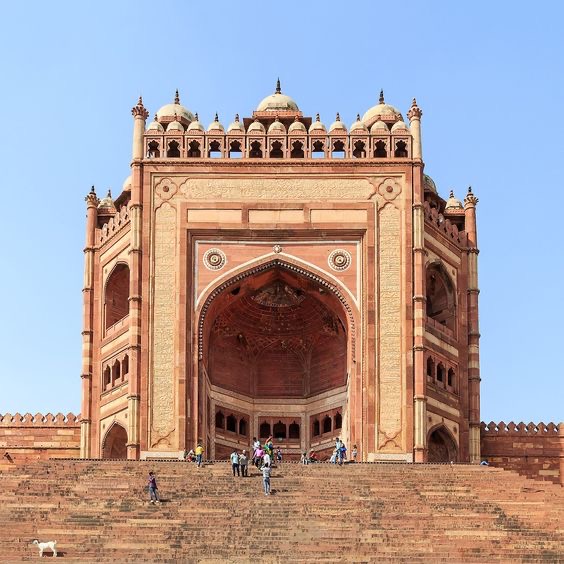
Built in the 16th century by Emperor Akbar, Fatehpur Sikri was a grand Mughal capital. Yet within decades, it was abandoned—likely due to water shortages. Today, its palaces, mosques, and courtyards remain frozen in perfection, echoing the lost dreams of an emperor.
🌊 5. Atlantis (If It Existed) – The Eternal Mystery
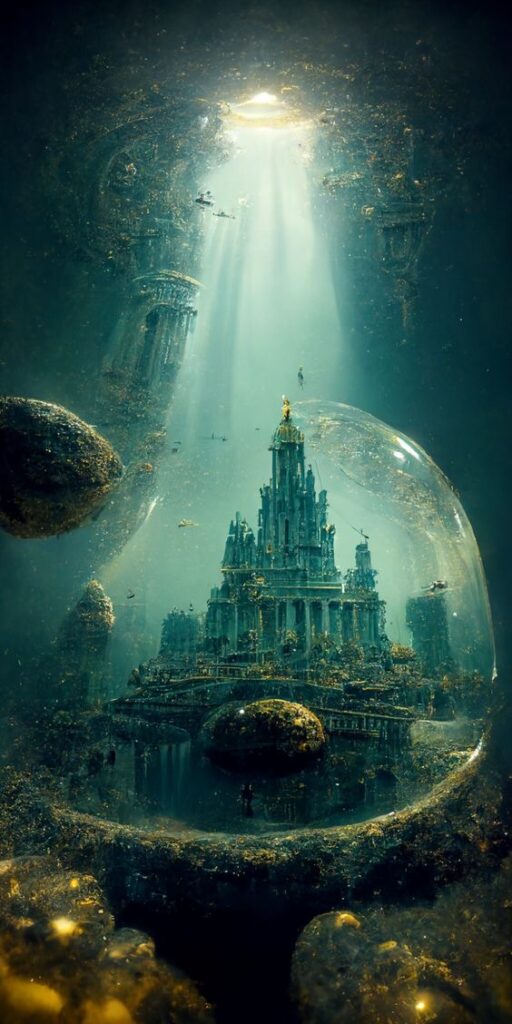
Perhaps the most famous “lost city,” Atlantis was described by Plato as a mighty civilization swallowed by the sea. Historians debate if it was pure myth, a moral allegory, or based on real events like the destruction of Santorini’s Minoan culture. Regardless, the legend of Atlantis still captivates dreamers.
☢️ 6. Pripyat, Ukraine – Silenced by Nuclear Disaster
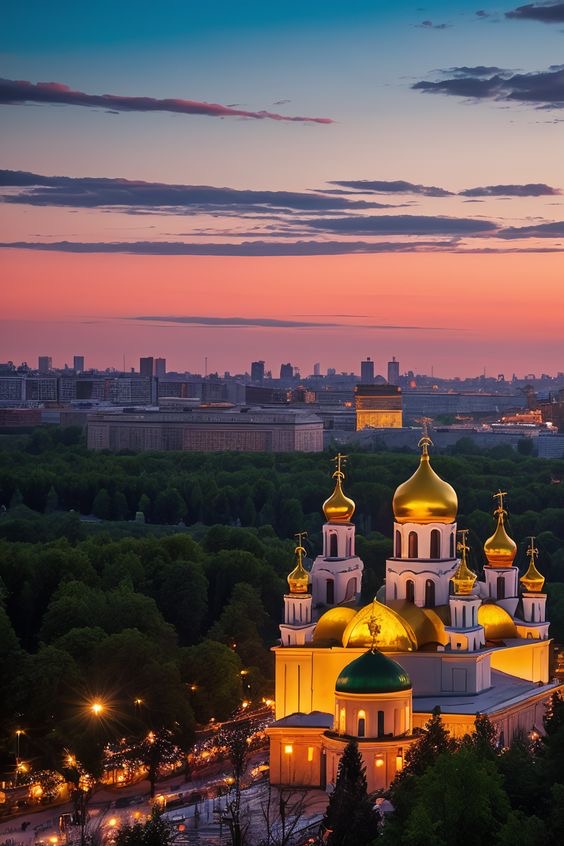
Founded in 1970 to house Chernobyl workers, Pripyat was abandoned overnight after the 1986 reactor explosion. Schools, amusement parks, and apartments remain frozen in place, eerily preserved as if waiting for residents to return. Today, it’s a haunting symbol of human ambition—and its catastrophic risks.
🌌 Final Thought
These ghost cities are not just ruins—they are time capsules of human ambition, tragedy, and mystery. Some remind us of nature’s fury, others of political dreams, and a few blur the line between myth and reality.
Each city whispers the same haunting truth: nothing lasts forever, not even the greatest civilizations.

